Financial Implications of Drywall Repair: Older vs. New Homes
Understanding Drywall Repair Costs in Different Home Ages
Drywall is a fundamental component in most homes, but the costs associated with repairing it can vary significantly depending on several factors. One of the primary considerations is whether the home is an older building or a new construction. Both have their unique challenges and advantages that can impact the overall expense of drywall repairs.
Factors Influencing Drywall Repair Costs
The cost of drywall repair is not solely dependent on the age of the house; it is also influenced by:
- Material Choices: The type of drywall used (standard, moisture-resistant, fire-resistant) can affect costs.
- Labor Intensity: Older homes may have intricate designs or plaster work that require more labor-intensive repair processes.
- Extent of Damage: The size and type of damage (e.g., cracks, holes, water damage) will dictate repair methods and costs.
- Location of the Damage: Areas that are difficult to access can increase labor time and costs.
Older Homes: Challenges and Considerations
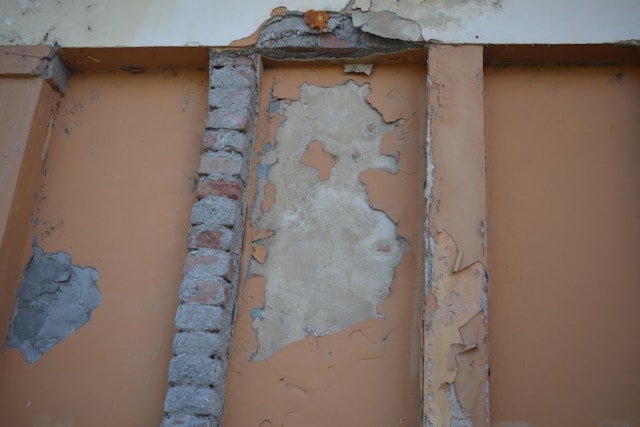
Older homes, often constructed before modern building codes were established, present unique challenges in drywall repair. These structures might have been built using plaster and lath instead of modern drywall, which requires specialized repair techniques.
Common Issues with Older Homes
- Plaster Walls: Repairing plaster is generally more costly than drywall due to the need for skilled labor familiar with traditional methods.
- Irregular Framing: Over time, houses settle, leading to uneven walls that complicate repair efforts.
- Historic Preservation: In some cases, maintaining the historical integrity of a home may necessitate specific materials or techniques that drive up costs.
Cost Implications for Older Homes
The financial implications for drywall repair in older homes can be significant. On average, repairs could range from $500 to $2,000 depending on the complexity of the work and the need for specialized skills. Additionally, if there are any underlying structural issues, such as rot or insect damage, these will need addressing before cosmetic repairs can take place.
New Constructions: Simplicity and Speed
Newer homes typically feature modern drywall installations that adhere to current building codes. This generally makes repairs more straightforward and less costly than in older buildings.
Advantages of Repairing Newer Homes
- Simplified Repairs: Standardized materials and construction methods facilitate easier fixes.
- Readily Available Materials: Modern materials are easier to source, reducing costs and repair times.
- Consistent Quality: New constructions usually feature consistent framing and wall alignment, simplifying patching and sanding tasks.
Cost Implications for New Homes
The cost of repairing drywall in new homes is generally lower. Typical expenses might fall between $200 to $1,000, heavily depending on the scope of damage. In most cases, minor fixes such as patching small holes or cracks can be done as a DIY project with minimal expenditure on materials.
Choosing Between DIY and Professional Repair
The decision between performing repairs yourself or hiring a professional depends largely on the extent of the damage and your own skill level. Here’s how you can decide:
When to DIY
- If the damage is superficial (small holes or cracks), you might opt for a DIY approach using patch kits available at home improvement stores.
- If you have previous experience with drywall repair and are confident in your abilities to sand and paint after patching.
When to Hire Professionals
- If dealing with extensive damage like large holes or water damage, professional assessment and repair are advised.
- If you lack the tools or expertise necessary for a seamless finish, consider hiring a contractor.
The cost savings of DIY can be appealing; however, improper repair might lead to increased costs down the line if not done correctly.
Final Considerations
In conclusion, understanding the financial implications of drywall repair in older versus new homes requires careful consideration of the specific needs and characteristics of each property type. By evaluating the extent of repairs needed, choosing the right materials, and deciding on DIY versus professional services, homeowners can better manage costs while ensuring quality results.