
Evaluating Premixed Joint Compound Versus Mesh Tape for Drywall Repairs
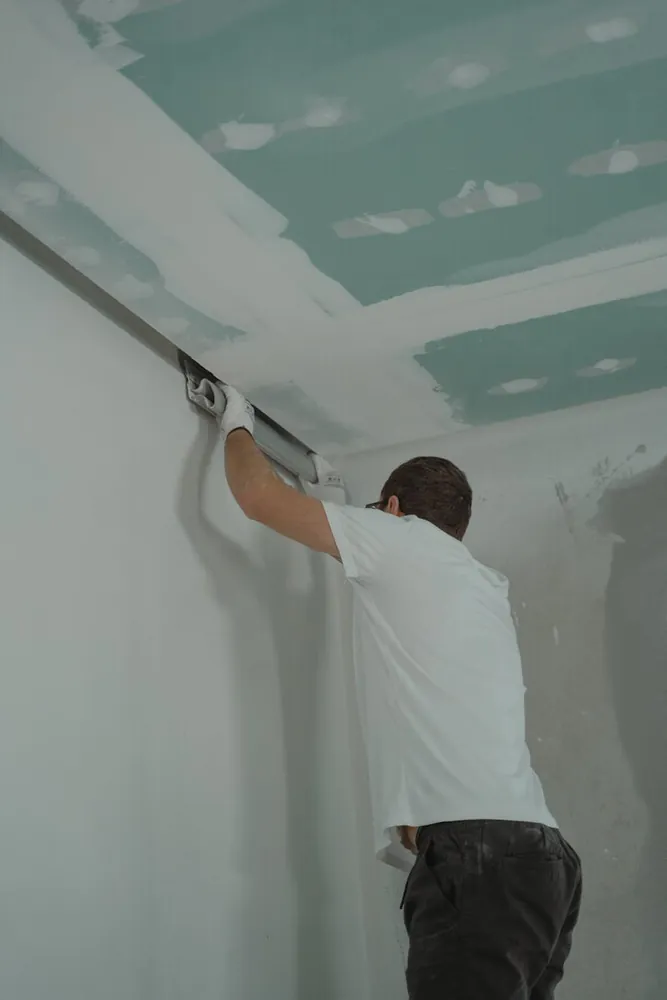
The Basics of Drywall Repair
When tackling drywall repairs, understanding the tools and materials at your disposal is crucial. Two common methods for addressing cracks and holes in drywall involve using premixed joint compound and self-adhesive mesh tape. Each method offers distinct advantages depending on the specific repair needs.
Premixed Joint Compound: An Overview
Premixed joint compound, also known as mud, is a creamy substance that is widely used for patching holes and finishing drywall seams. It comes ready-to-use, saving you time and effort in preparation.
Advantages of Premixed Joint Compound
- Ease of Use: Since the compound is premixed, it eliminates the need for water or additional mixing equipment, making it user-friendly for beginners.
- Versatility: Suitable for various types of repairs, from small holes to larger surface areas, due to its smooth application capabilities.
- Finish Quality: Offers a fine finish that's easy to sand once dried, allowing for seamless integration with existing wall surfaces.
Disadvantages of Premixed Joint Compound
- Drying Time: Takes longer to dry compared to other materials, potentially delaying the painting process.
- Shrinkage: Can shrink as it dries, sometimes requiring multiple layers to achieve a flush surface.
Self-Adhesive Mesh Tape: An Overview
Mesh tape is a fiberglass tape that comes with an adhesive backing, making it quick to apply over drywall seams and cracks. It's particularly effective when combined with joint compound.
Advantages of Mesh Tape
- Quick Application: The self-adhesive nature allows for fast and straightforward application, saving time during the repair process.
- Crack Resistance: Reinforces seams more effectively than paper tape, reducing the likelihood of cracks reappearing.
Disadvantages of Mesh Tape
- Visibility: If not properly covered with enough compound, the texture of the tape can remain visible under paint.
- Requires Additional Material: Typically requires the use of a joint compound to ensure a smooth finish, which can add complexity for novices.
Comparative Analysis: Choosing the Right Method
Assessing Your Drywall Damage
The type of damage to your drywall significantly influences which repair method is most suitable. For minor cracks and small holes, a simple application of premixed joint compound might suffice. However, larger damages might necessitate mesh tape for added stability.
Workflow for Using Premixed Joint Compound
- Prepare the Area: Clean the damaged area of any loose debris or dust to ensure proper adhesion.
- Apply the Compound: Use a putty knife to spread a thin layer over the hole or crack, feathering outwards to blend with the wall surface.
- Drying Time: Allow the first coat to dry completely before applying additional layers if necessary.
- Sanding: Once fully dry, sand down the surface to achieve a smooth finish ready for painting.
Workflow for Using Mesh Tape
- Tape Application: Stick the mesh tape directly over the seam or crack, ensuring it covers all edges adequately.
- Add Compound: Apply a coat of joint compound over the tape using a wide blade putty knife. Ensure complete coverage of the tape.
- Smooth the Surface: Feather out the edges of the compound for a seamless transition between patched and original wall areas.
- Finishing Touches: After drying, sand lightly and repeat the compounding process if any mesh texture remains visible.
Practical Tips for Effective Repairs
- Temperature and Humidity: Be mindful of environmental conditions; high humidity can extend drying times significantly.
- Layering: Applying thin layers of compound ensures better results and minimizes shrinkage issues.
- Sanding Technique: Use fine-grit sandpaper for smoothing out surfaces without damaging surrounding wall areas.
A Mini-Framework for Decision Making
This practical framework helps you decide between using premixed joint compound or mesh tape based on project requirements:
- Identify Damage Type: Assess whether your repair involves a crack, seam, or hole.
- Select Materials Based on Scope: Small repairs typically require only compound, whereas larger ones benefit from mesh reinforcement.
- Prepare Tools and Workspace: Ensure you have clean workspace and tools like putty knives and sanding blocks ready.
This strategic approach streamlines decision-making and ensures successful drywall repairs tailored to specific scenarios.