Evaluating Effective Solutions for Your Attic's Insulation Needs
Understanding the Importance of Attic Insulation
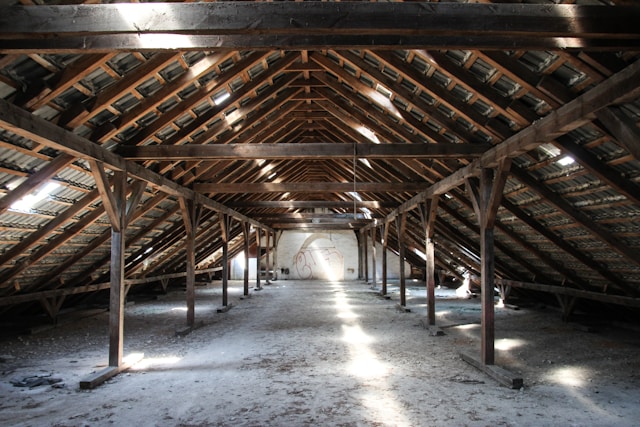
Attic insulation plays a crucial role in maintaining the energy efficiency of your home. Proper insulation can significantly reduce heating and cooling costs, enhance comfort, and even increase the longevity of your roof by preventing ice dams in winter. However, over time, insulation can become damaged or inadequate, requiring attention to restore its effectiveness.
Signs Your Attic Insulation Needs Attention
- Uneven Temperatures: Noticeable temperature variations between rooms could indicate poor attic insulation.
- High Energy Bills: An unexpected spike in your utility bills might suggest that your home is losing heat due to insufficient insulation.
- Visible Damage: Look for signs of mold, mildew, or rodent infestations that may have compromised your insulation material.
When these issues arise, it’s important to assess whether a repair or a complete overhaul is necessary. This decision often boils down to the extent of damage and your budgetary considerations.
DIY Attic Insulation Repairs
For homeowners who enjoy tackling projects themselves, DIY solutions can be both satisfying and cost-effective. Here’s a closer look at what’s involved in repairing attic insulation on your own.
Assessing the Current Condition
The first step in any repair process is to thoroughly assess the current state of your attic’s insulation. You’ll want to check for areas where insulation is thin or missing and identify any moisture issues. It’s also essential to determine the type of insulation you currently have — be it fiberglass, cellulose, or foam — as this will influence your choice of materials for repair.
Choosing the Right Materials
If you decide on a DIY approach, selecting the right type of insulation is critical. Here’s a brief comparison:
- Fiberglass: Affordable and easy to install, fiberglass batts are popular for DIY projects. They provide decent thermal protection but can be irritating to skin and lungs during installation.
- Cellulose: Made from recycled paper products, cellulose is eco-friendly and effective at filling irregular spaces. However, it can be difficult to handle without proper equipment.
- Spray Foam: Offers excellent sealing properties but requires specialized equipment and skills to apply correctly, making it less suited for most DIY projects.
Installation Tips
When installing new insulation or augmenting existing material, pay attention to the following tips:
- Seal Air Leaks: Before adding insulation, seal any gaps and cracks in your attic to prevent air leakage.
- Wear Protective Gear: Always use gloves, masks, and goggles to protect yourself from irritants.
- Avoid Overstuffing: Too much insulation can compress the material, reducing its effectiveness. Aim for a consistent depth across the attic.
Hiring Professionals: Benefits and Considerations
If the prospect of DIY repairs seems daunting or if your attic’s condition is beyond basic fixes, hiring professionals might be the better option. Let’s explore the benefits and what you should consider when opting for professional help.
The Advantages of Professional Installation
- Expertise and Experience: Professionals have the knowledge to assess your specific needs and recommend the best solutions. They are also equipped to handle complex installations that might be challenging for a DIY enthusiast.
- Quality Assurance: Hiring experts ensures that the job is done correctly the first time, with minimal risk of future issues arising from improper installation.
- Comprehensive Solutions: Professionals can offer additional services such as air sealing or ventilation improvements that enhance overall home efficiency.
Cost Considerations
The cost of professional attic insulation varies based on factors such as material type, project complexity, and local labor rates. On average, homeowners might expect to pay between $1,500 to $3,500 for a comprehensive service. While this is higher than DIY costs, the long-term savings in energy bills can offset initial expenses.
Comparing Costs: DIY vs. Professional Services
A critical factor in deciding between DIY repairs and hiring professionals is cost. Here’s a breakdown of what each approach might entail financially.
DIY Cost Breakdown
- Materials: For a standard attic size (around 500 square feet), expect to spend $300 to $500 on materials if using fiberglass or cellulose.
- Tools: Basic tools like a utility knife, staple gun, and measuring tape are essential, totaling around $50 if not already owned.
- Time Investment: While not a direct financial cost, consider that DIY repairs will take several days depending on your skill level and availability.
Professional Service Costs
- Total Expense: As mentioned, professional costs range from $1,500 to $3,500, covering materials and labor.
- Savings on Energy Bills: Professionally installed insulation could save up to 20% on heating and cooling costs annually.
Ultimately, the choice between DIY and professional services should balance immediate budget constraints against long-term savings and convenience.
Potential Energy Savings and Comfort Improvements
The ultimate goal of repairing or enhancing attic insulation is not just energy savings but also increased comfort within your home.
Energy Efficiency Gains
An effectively insulated attic can lead to significant reductions in energy use. The U.S. Department of Energy suggests that properly insulating your attic can save 10-50% on heating and cooling bills annually. These savings depend largely on the climate in your area and existing insulation quality before upgrades.
Improved Home Comfort
- Consistent Temperatures: With improved insulation, expect more uniform temperatures throughout your home, reducing drafts and cold spots.
- Noisier Reduction: Better insulated attics can also diminish external noise penetration, contributing to a quieter indoor environment.
The benefits extend beyond financial savings, enhancing your living experience by creating a more comfortable and stable home environment year-round.