Understanding Room Flow: Open Concepts and Traditional Designs
The Evolution of Home Layouts
Over the past few decades, home design has seen a significant transformation. The debate between open concept layouts and traditional room designs is at the forefront of many renovation discussions. Each layout offers distinct benefits and challenges that can dramatically impact the way we live and interact within our homes.
Open concepts gained popularity in the mid-20th century, influenced by modernist architecture and a cultural shift towards more casual lifestyles. Traditional designs, with their compartmentalized rooms, have their roots in historical architectural styles where each space had a defined function. Understanding these two approaches provides valuable insight when deciding on your next renovation.
Benefits of Open Concept Designs
Open concept layouts emphasize spaciousness and connectivity, eliminating barriers such as walls to create a seamless flow between different areas of the home. This approach can greatly enhance certain aspects of living.
Enhanced Social Interaction
One of the most significant advantages of an open concept is the ability to facilitate social interaction. With fewer walls, families and guests can easily communicate across spaces, making it ideal for entertaining or monitoring children while cooking in the kitchen.
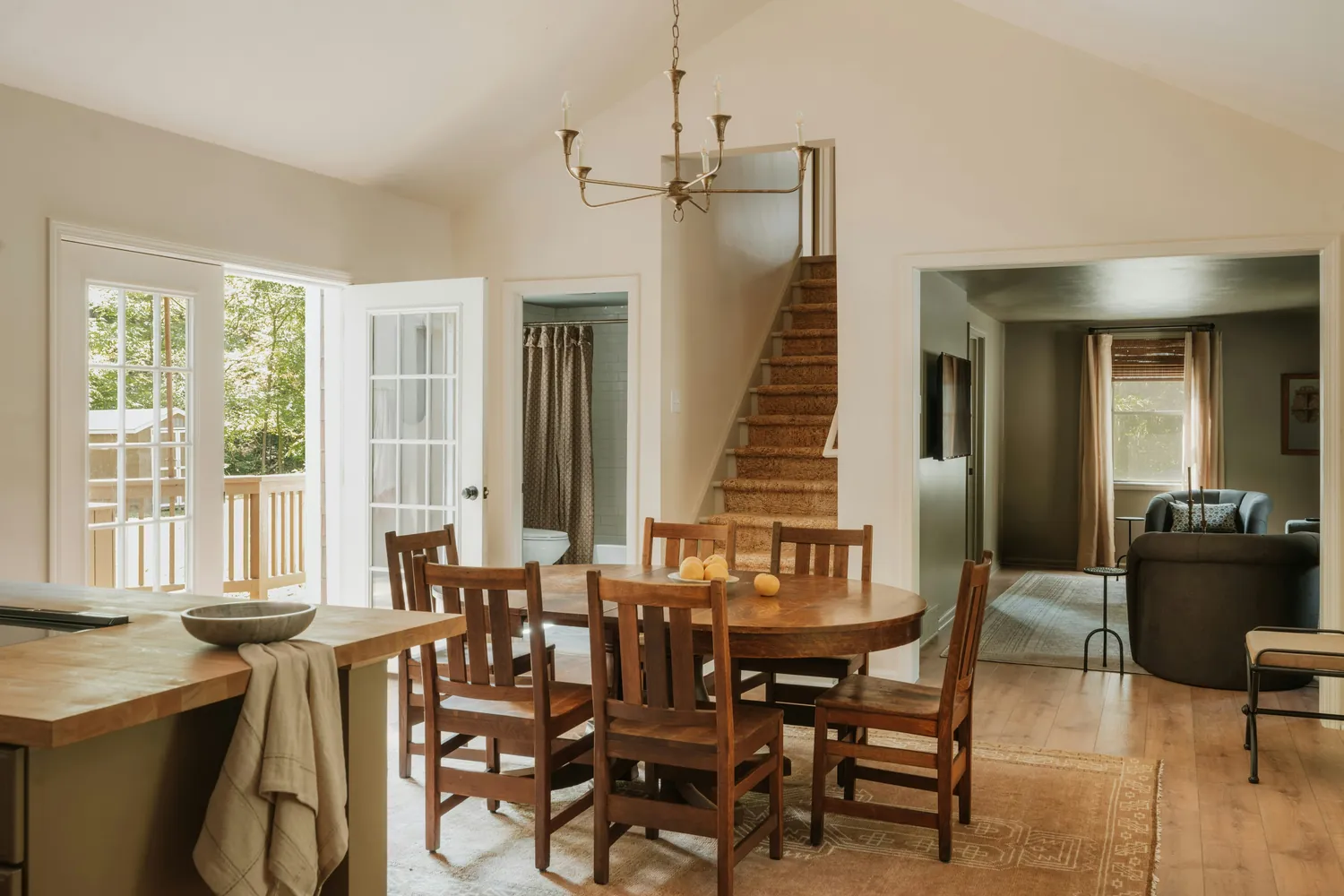
For instance, a homeowner might remove the wall separating their kitchen and living room to create an open space that allows for a large dining table, making it perfect for hosting dinner parties where guests can mingle freely.
Improved Natural Light
Open layouts often result in better natural light distribution throughout the home. Without interior walls obstructing windows, sunlight can travel further into the space, reducing the need for artificial lighting and creating a warm, inviting atmosphere.
For example, removing non-load-bearing walls in a central area can help illuminate darker parts of the house, which might otherwise require additional light fixtures.
Increased Real Estate Value
Open concepts are highly sought after in the real estate market, particularly among younger buyers who prefer modern, flexible spaces. An open layout can make a home feel larger and more adaptable, potentially increasing its market appeal and value.
Drawbacks of Open Concept Designs
While there are numerous benefits, open concept designs also come with some notable drawbacks that are worth considering before deciding on this renovation approach.
Lack of Privacy
The absence of walls can lead to a lack of privacy, as activities in one area of the house are visible and audible throughout the open space. This can be challenging for households with multiple members needing private space for work or relaxation.
For example, if a family member needs to take a work call in the middle of household activity, finding a quiet space can be difficult without designated rooms.
Potential for Increased Noise
Sound travels easily in open spaces due to fewer barriers to dampen noise. This can be particularly problematic in active households where multiple activities occur simultaneously, such as cooking, watching TV, or playing games.
Heating and Cooling Challenges
Controlling the climate in an open concept can be more challenging than in traditional designs. Large open areas may require more energy to heat or cool effectively, impacting utility bills.
Strategically placing vents and using ceiling fans can help mitigate this issue but may not completely solve it without significant HVAC upgrades.
The Merits of Traditional Room Designs
Traditional room designs are characterized by well-defined spaces with specific functions, offering their own set of advantages for homeowners.
Defined Spaces and Purpose
Each room serves a specific purpose, allowing for more organized and efficient use of space. This clarity can aid in maintaining tidiness and focus, especially when every square foot counts.
For instance, a designated home office with doors offers a distraction-free environment conducive to productivity.
Better Sound Management
The presence of walls and doors helps contain sound within individual rooms, providing a quieter environment conducive to rest and concentration.
Easy Customization
Traditional layouts offer more opportunities for customization and decor variety. Different color schemes and styles can be applied to each room without worrying about clashing elements from adjacent spaces.
Challenges with Traditional Room Designs
Despite their advantages, traditional designs come with certain limitations that could affect their desirability for some homeowners.
Reduced Flexibility
The defined nature of traditional rooms can limit flexibility. If your lifestyle changes or you acquire new furniture, adapting the space might require significant renovation work.
Poorer Natural Light Flow
Compartments tend to restrict light movement through the home, potentially resulting in darker interiors that rely heavily on artificial lighting during daytime hours.
Navigating Your Renovation Decision
When deciding between an open concept or traditional layout for your renovation, consider the following factors:
- Lifestyle Needs: Evaluate how you use your space daily. Families that prioritize communal activities might benefit more from open concepts.
- Privacy Requirements: Consider whether privacy or noise is a concern for your household's dynamics.
- Aesthetic Preferences: Decide which style aligns better with your vision for your home’s look and feel.
Hybrid Solutions: The Best of Both Worlds
A hybrid approach is an emerging trend that combines elements of both open concepts and traditional designs. This compromise allows homeowners to enjoy spacious communal areas while retaining some degree of privacy with partially enclosed spaces like pocket doors or strategically placed partitions.
This design strategy might involve keeping a semi-open kitchen/dining area while ensuring bedrooms remain secluded for privacy and quietness.
Practical Tips for Renovation Planning
Here are some practical steps to ensure a successful renovation process:
- Consult Professionals: Engage with architects or interior designers early to assess structural possibilities and design advice specific to your home.
- Budget Wisely: Have a clear budget plan that accounts for unexpected costs. Opt for quality over quantity when choosing materials and finishes.
- Plan Your Timeline: Understand that renovations may take longer than anticipated. Establish a realistic timeline that accommodates potential delays.
The Final Word on Room Flow
The choice between an open concept and traditional room design hinges on personal preferences and practical needs. By weighing the pros and cons carefully, you can craft a home environment that truly enhances your quality of life.