Transforming Unused Attics into Comfortable Workspaces: A Practical Guide
Unlocking Potential: Why Your Attic?
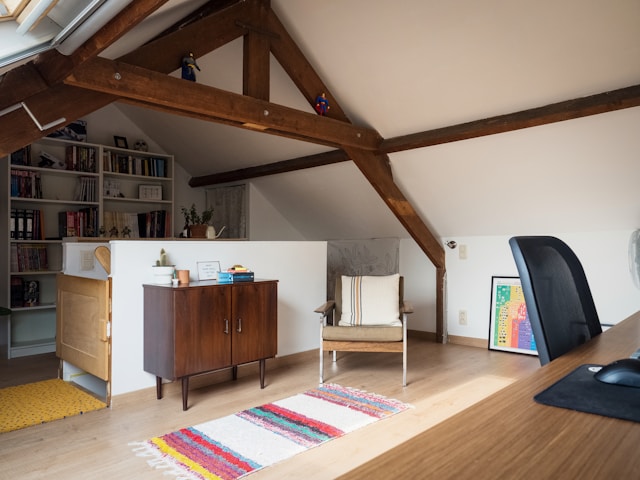
Attics are often the most neglected spaces in a home, generally used for storing holiday decorations or collecting dust. However, with more people working from home, converting this underutilized area into a functional and inviting home office can be a game changer. An attic conversion provides privacy away from the bustling areas of your house, offering a serene environment perfect for productivity.
Initial Planning: Assessing the Space
The first step in transforming an attic into a workspace is assessing its current state. Consider factors such as headroom, floor area, and existing utilities. A typical attic must have a minimum ceiling height of 7 feet to meet most building codes, providing comfort and practicality for daily use.
- Structural Integrity: Ensure that the attic floor is robust enough to support additional weight. Consulting with a structural engineer can provide insights and peace of mind.
- Access and Egress: Evaluate the accessibility of the attic. A retractable ladder may need replacement with a fixed staircase to comply with safety codes.
Layout Design: Function Meets Aesthetics
The layout should maximize space while maintaining comfort. Start by planning the location of your desk and storage units. Think about how you will use the space — do you need room for shelving, additional seating, or equipment? Here’s a simple framework to guide your layout design:
- Define Zones: Divide the attic into work and leisure zones to enhance functionality. This might include a primary workspace alongside a small relaxation area.
- Furniture Placement: Position your desk near windows to leverage natural light, reducing dependency on artificial lighting.
- Storage Solutions: Utilize vertical space with shelves and overhead storage to keep the floor area open.
Lighting: Harnessing Natural and Artificial Light
Lighting plays a crucial role in transforming an attic into a pleasant workspace. While natural light is ideal for boosting mood and productivity, strategic artificial lighting fills in during overcast days or nighttime work sessions.
- Natural Lighting: Install skylights or dormer windows to flood the space with daylight. This not only improves aesthetics but also enhances energy efficiency.
- Artificial Lighting: Choose LED lights for their long lifespan and energy savings. Consider adjustable desk lamps and ambient ceiling fixtures to create versatile lighting options.
Insulation and Ventilation: Ensuring Comfort
An attic office should be comfortable year-round, necessitating proper insulation and ventilation. Good insulation helps maintain temperature, while ventilation ensures air quality and moisture control.
- Insulation Choices: Spray foam is excellent for creating airtight seals. Alternatively, fiberglass batts are cost-effective and relatively easy to install.
- Ventilation Systems: Consider installing ridge vents or powered fans to regulate air flow. In cases where climate control is needed, adding a mini-split HVAC system can provide efficient heating and cooling.
Finishing Touches: Personalizing Your Workspace
Once the fundamentals are in place, personal touches will make the workspace truly yours. Personalization enhances comfort and reflects your style, contributing to a productive environment.
- Wall Colors: Opt for light colors like whites or pastels to make the space feel larger and brighter.
- Decor Elements: Add artwork, plants, or personal memorabilia that inspire you. These elements contribute to a positive atmosphere conducive to creativity and focus.
Compliance and Safety: Meeting Building Regulations
A crucial aspect of any renovation is ensuring compliance with local building codes. These codes cover everything from fire safety measures to electrical installations.
- Building Permits: Obtain necessary permits before beginning construction to avoid legal issues down the line.
- Fire Safety: Install smoke alarms and ensure there are proper escape routes in case of emergencies.
The Mini-Framework: Transforming Your Attic
This mini-framework summarizes key steps in converting your attic into a comfortable workspace:
- Evaluate and Plan: Assess structural integrity, headroom, and access.
- Design the Layout: Maximize space usage with smart furniture placement.
- Light It Up: Combine natural and artificial lighting solutions effectively.
- Insulate and Ventilate: Ensure year-round comfort with quality insulation and airflow systems.
- Add Personal Touches: Infuse personal style to foster creativity and productivity.
By following these steps, you can transform your attic from an underutilized storage space into a thriving home office that supports your work-life balance while enhancing your home's overall value.