
Guidelines for Picking the Perfect Tiles in Kitchen Makeovers
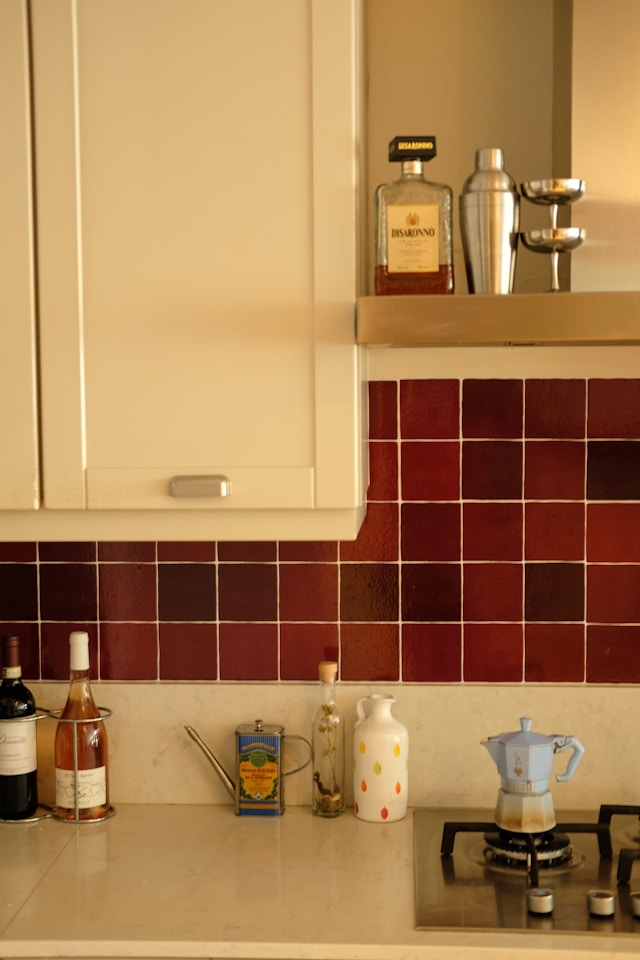
Understanding the Role of Tiles in Kitchen Design
Tiles are more than just a decorative element in kitchen design; they play a crucial role in setting the tone and functionality of the space. When chosen thoughtfully, tiles can enhance the kitchen’s aesthetic appeal, provide durability, and simplify maintenance. In a kitchen remodel, tiles often cover significant surfaces such as floors, backsplashes, and sometimes even countertops.
Choosing the perfect tile involves balancing aesthetics with practical considerations like durability and ease of cleaning. With various materials, finishes, and designs available, it’s essential to align your tile selection with your overall design vision and lifestyle needs.
Factors to Consider When Selecting Kitchen Tiles
1. Durability and Material
The kitchen is a high-traffic area subject to spills, stains, and heat. Therefore, selecting durable materials is paramount. Ceramic and porcelain are popular choices due to their resilience against water and stains. Porcelain tiles, in particular, are highly recommended for floors because they are denser and less porous.
If you prefer a natural look, consider stone tiles such as granite, slate, or marble. However, keep in mind that these may require more maintenance to prevent staining and are generally more expensive than synthetic options.
2. Aesthetics and Style
The style of your tiles should complement the overall design theme of your kitchen. For example, if you’re aiming for a rustic farmhouse look, consider terracotta tiles or distressed wood-like tiles. In contrast, sleek and glossy subway tiles work well in modern kitchens.
- Color: Choose colors that either blend harmoniously with existing elements or provide a striking contrast. Lighter colors can make a small kitchen appear larger.
- Pattern: Geometric patterns or mosaic designs can add visual interest to a backsplash or accent wall.
3. Maintenance Requirements
Ease of maintenance is a crucial factor for kitchen tiles. Glazed tiles are typically easier to clean than unglazed ones due to their protective coating. Consider the grout lines too; smaller grout lines reduce the amount of cleaning required. Opt for darker grout colors to minimize visible stains.
A Step-by-Step Guide to Choosing Your Kitchen Tiles
Step 1: Set a Budget
Your budget will significantly influence the types of tiles you can consider. Remember to account for both the cost of the tiles and installation. Higher-end materials like natural stone or custom designs will cost more than standard ceramic options.
Step 2: Define Your Design Vision
Create a mood board or gather images of kitchens you admire. This will help you visualize how different tile options can fit into your overall design. Are you aiming for a classic look with neutral tones, or do you want something bold and contemporary?
Step 3: Consider Practicality
Think about how you use your kitchen daily. If you cook frequently, prioritize slip-resistant flooring and backsplashes that are easy to wipe clean. For families with young children, stain-resistant and durable tiles may be necessary.
Step 4: Consult with Professionals
A consultation with a designer or contractor can provide insights into what will work best for your specific kitchen layout and needs. They can also offer suggestions based on the latest trends and technology in tile manufacturing.
A Checklist for Tile Selection
- Determine where the tiles will be used (flooring, backsplash, walls).
- Select tile material based on location use (e.g., porcelain for floors).
- Decide on size, color, pattern, and finish.
- Consider grout options that complement the tile selection.
- Plan for any additional features like radiant heating under floors.
This checklist can serve as a guide during shopping trips or consultations with professionals to ensure you stay aligned with your design goals.
Practical Examples and Case Studies
Case Study: Modernizing a Family Kitchen
The Smith family embarked on a kitchen remodel to modernize their outdated space while making it more functional for their active lifestyle. They opted for large-format porcelain tiles in a light gray hue to create an open feel in their floor plan. These tiles offered excellent durability against frequent foot traffic and were easy to maintain.
The backsplash became a focal point with white subway tiles arranged in a herringbone pattern. This choice not only added texture but also kept the design timeless and versatile for future updates.
Case Study: Small Space Transformation
In contrast, Maria’s small urban apartment needed an impactful makeover without overwhelming her limited space. She chose reflective glass tiles for her backsplash to help bounce light around the room, making it appear larger than its actual dimensions. On the floor, she selected hexagonal ceramic tiles with a subtle pattern that added interest without clashing with other design elements.
The Final Touches
No kitchen makeover is complete without considering the final details. Pay attention to how your selected tiles pair with cabinet hardware, paint colors, and lighting fixtures. Cohesion among these elements will enhance the overall harmony of your kitchen’s design.
Remember that while trends come and go, selecting quality materials that meet both your practical needs and personal style preferences will result in a kitchen that remains beautiful and functional over time.