Design Considerations for Functionality in Your Basement Renovation
Understanding the Potential of Your Basement
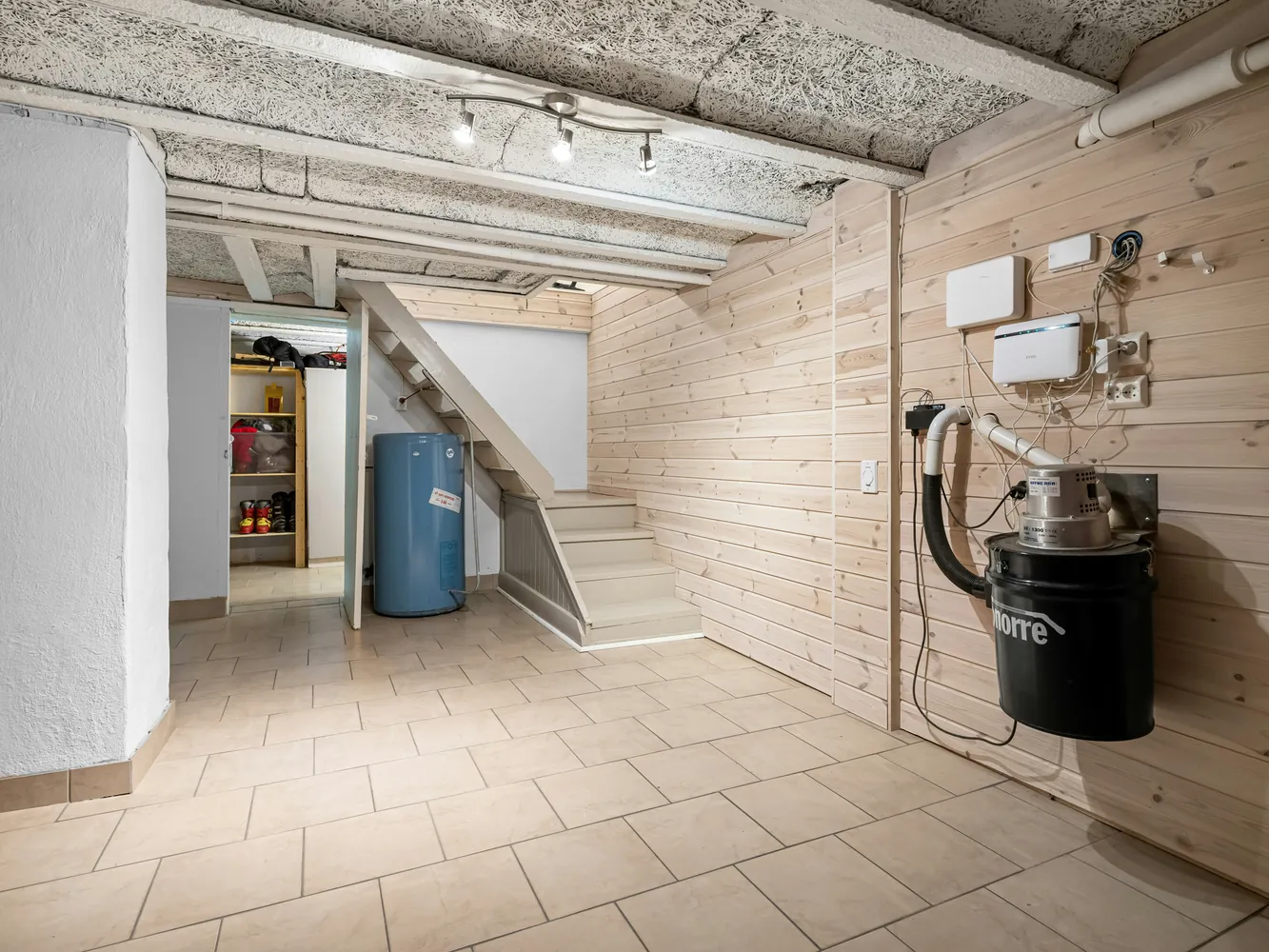
Renovating your basement can significantly increase the livable space in your home, offering a myriad of possibilities from a guest suite to a home office or entertainment area. However, before diving into the renovation process, it's crucial to understand both the potential and limitations of your basement. This includes evaluating structural aspects, moisture levels, and zoning regulations specific to your area.
Assessing Your Basement’s Structure and Condition
The first step in a successful basement renovation is to assess the current condition of the space. Check for signs of moisture damage, mold, or structural issues that need addressing. Engaging with a structural engineer may be beneficial if you notice any significant problems, such as cracks in the foundation walls or uneven flooring.
Tip: A dehumidifier can help manage moisture levels in basements that naturally have higher humidity, especially during the renovation process.
Planning for a Functional Layout
A functional layout is key to making the most out of your basement. Consider the primary purpose of the space. Are you planning a home theater, guest bedroom, or a playroom? Each use case will have different requirements in terms of layout and amenities.
Creating Zones for Multi-Functional Spaces
If you envision a multi-use basement, creating distinct zones can enhance functionality. For instance, you could designate one area for relaxation and another for exercise or work. Use furniture arrangements, partitions, or changes in flooring type to delineate these areas effectively.
Example Scenario: The Family Entertainment Hub
Imagine transforming your basement into a family entertainment hub. You could allocate a section for a gaming area with consoles and bean bags, while another corner houses a small bar or kitchenette for snacks and drinks. This layout promotes social interaction and maximizes the available space.
Essential Insulation Considerations
Insulating your basement correctly is essential for comfort and energy efficiency. Basements are often subject to temperature fluctuations, which can make them uncomfortable if not properly insulated.
- Foam Board Insulation: This type is ideal for basement walls due to its moisture resistance and ease of installation.
- Spray Foam: While more expensive, it provides excellent air sealing properties and can fill irregular spaces effectively.
Ensure that your insulation choice complies with local building codes and consider hiring a professional for the best results.
Lighting Options for Ambiance and Utility
Basements typically lack natural light, making lighting an essential design consideration. Incorporate a variety of lighting options to achieve both ambiance and utility.
Layered Lighting Strategy
A layered lighting strategy can transform the atmosphere in your basement:
- Ambient Lighting: Ceiling fixtures or recessed lights provide general illumination throughout the space.
- Task Lighting: Lamps or under-cabinet lights offer targeted lighting for activities like reading or cooking.
- Accent Lighting: Highlight architectural features or artwork with wall sconces or LED strips.
Scenario: Crafting a Cozy Reading Nook
If you're creating a reading nook in your basement, position a comfortable chair near a floor lamp that provides focused light. Add a small table lamp on a side table for additional illumination and ambiance.
Navigating Legal Permits and Building Codes
Before commencing any major renovation work, it's important to understand local building codes and obtain necessary permits. These regulations ensure safety standards are met and protect your investment.
Checklist: Securing Permits for Your Basement Renovation
- Research local zoning laws to determine what modifications are permissible.
- Consult with a contractor who is familiar with code requirements in your area.
- Apply for necessary permits through your city or county’s building department.
- Schedule inspections as required during different phases of construction.
By adhering to legal requirements, you avoid potential fines and ensure your renovation is safe and up to standard.
The Finishing Touches: Flooring and Decor
The right flooring and decor choices can dramatically influence the functionality and feel of your renovated basement.
- Flooring Options: Consider durable options like luxury vinyl tile or laminate that withstand high traffic and potential moisture exposure.
- Color Palette: Light colors can make a small basement feel more spacious, while darker tones add warmth and coziness.
Scenario: Setting Up a Home Gym
If part of your basement will serve as a home gym, select rubber flooring to cushion impacts and reduce noise. Mirrors on walls can create an illusion of space and aid in exercise routines by allowing you to monitor form.
Final Thoughts on Achieving Comfort and Usability
With careful planning and attention to detail, your basement can become one of the most versatile areas in your home. By considering factors like insulation, lighting, layout, and legalities, you'll ensure that the renovation process enhances both functionality and comfort, turning an often overlooked space into a vibrant extension of your living area.