step-by-step guide to building a relaxing patio space
Planning Your Patio Layout
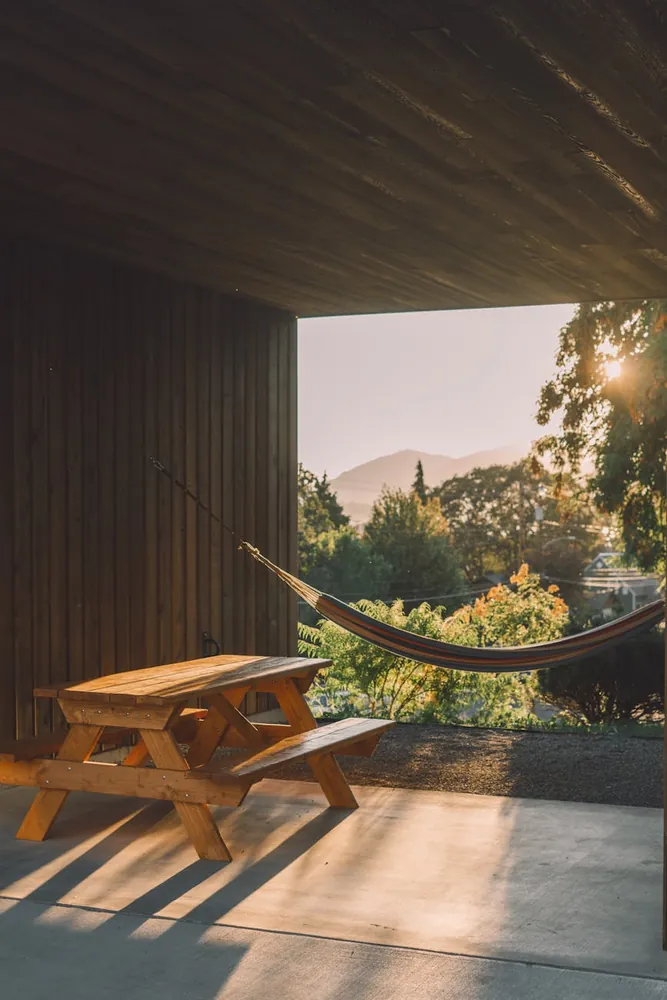
Creating a relaxing patio space begins with thorough planning. Consider how you intend to use the patio—whether it's for dining, lounging, or entertaining—and the number of people you wish to accommodate. This will guide your layout and size decisions. Start by measuring the available outdoor space, noting any natural features you might want to incorporate, such as trees or a water view.
Sketch your ideas on paper or use digital tools like SketchUp for more precise planning. Factor in elements like pathways, furniture arrangements, and where the sun hits at different times of the day. A well-planned patio will seamlessly integrate with the rest of your garden, serving as a natural extension of your living space.
Selecting the Right Materials
Paving Options
Your choice of materials can greatly affect the ambiance and durability of your patio. Popular options include concrete, natural stone, brick, and pavers. Each has its own aesthetic and maintenance requirements:
- Concrete: An affordable and versatile option that can be stained or stamped for varied textures and colors.
- Natural Stone: Offers a luxurious, timeless look but can be pricey. Stones like slate, limestone, and sandstone are commonly used.
- Brick: Provides a classic and charming appearance, suitable for traditional garden settings. It's durable but can shift over time.
- Pavers: Available in various styles and easy to install; ideal for DIY enthusiasts.
Furniture Choices
Choose weather-resistant furniture made from materials like teak, wrought iron, or aluminum. Consider using modular pieces for flexibility in seating arrangements. Incorporate cushions with outdoor fabric to add comfort while ensuring they can withstand the elements.
Landscaping and Greenery
Incorporating Plants
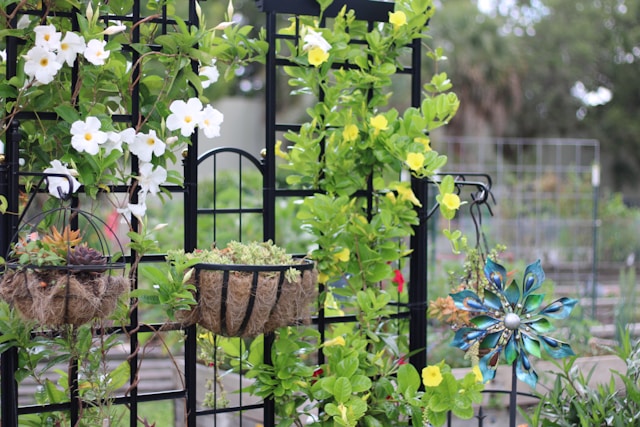
Plants can transform a simple patio into a lush oasis. Consider layering plants to create depth—use taller plants like bamboo or ornamental grasses as a backdrop, medium-sized shrubs for structure, and ground-covering plants to soften edges.
Lighting for Ambiance
A well-lit patio extends usability into the evening hours and adds ambiance. Consider solar-powered lights along pathways and string lights overhead for a warm, inviting glow. Lanterns and candles can also contribute to a cozy atmosphere.
Building Your Patio
Site Preparation
The success of your patio build hinges on proper site preparation. Begin by clearing the area of debris and leveling the ground. You might need to excavate soil to accommodate the base layer of gravel or sand, which provides stability and drainage.
Laying the Foundation
If using pavers or stone, lay down a layer of landscape fabric followed by gravel and sand. Compact each layer thoroughly using a hand tamper or a mechanical plate compactor to prevent future settling.
For concrete patios, construct wooden forms to hold the concrete in place and ensure it cures properly. It's crucial to pour concrete on a dry day with temperatures between 50°F (10°C) and 90°F (32°C) for optimal curing.
Adding Finishing Touches
Decorative Elements
Add decorative elements like a water feature or fire pit to serve as focal points. Fire pits offer warmth on cooler nights, while water features provide calming sounds that enhance relaxation.
Maintenance Tips
Regular maintenance keeps your patio looking fresh. Sweep surfaces regularly to prevent dirt buildup, and wash them down with water mixed with mild detergent as needed. For stone patios, consider sealing them every few years to maintain their finish.
Cushions should be stored when not in use to prolong their life, while furniture may benefit from an occasional wash down to remove pollen or dirt buildup.
Conclusion: Enjoying Your New Space
With careful planning and execution, your new patio will be a personal sanctuary—a place where you can unwind after a long day, entertain friends, or simply enjoy nature's beauty. By selecting the right materials, incorporating lush greenery, and adding personal touches, you'll have created not just a patio, but an extension of your home.