Selecting Eco-Friendly Outdoor Furniture: Balancing Cost with Environmental Benefits

Understanding Eco-Friendly Materials for Outdoor Furniture
When selecting outdoor furniture, choosing eco-friendly materials can significantly impact both the environment and the quality of your outdoor space. It’s essential to understand the various materials available and how they perform in terms of durability and ecological footprint. Here, we explore options like recycled plastics, teak wood, and metals.
Recycled Plastics: Sustainability Meets Durability
Recycled plastics are an increasingly popular choice for eco-conscious consumers. They offer excellent durability against weather conditions and require minimal maintenance. Typically made from post-consumer waste like plastic bottles, these materials help reduce landfill contributions.
Pros: These pieces are generally water-resistant and won’t splinter, rot, or crack over time. The manufacturing process is energy-efficient, utilizing significantly less water and energy compared to virgin plastic production.
Cons: Despite their advantages, recycled plastic furniture can be more expensive than traditional plastic options. Additionally, it may lack the aesthetic appeal of natural materials.
Teak Wood: A Classic Choice with a Green Twist
Teak wood has long been favored for its natural beauty and ability to withstand outdoor elements without decaying. Teak naturally contains oils that protect it from pests and moisture.
Pros: High durability and low maintenance make teak an ideal choice for luxury outdoor settings. When sourced sustainably, it has a relatively low carbon footprint. Look for certifications like the FSC (Forest Stewardship Council) to ensure sustainable practices.
Cons: Initial costs can be high due to its popularity and demand. Furthermore, if not sourced responsibly, teak harvesting can contribute to deforestation.
Metal: Strength with a Smaller Footprint
Metal furniture, often made from aluminum or steel, provides another durable option for outdoor spaces. Recyclability is a key factor making metals an environmentally favorable choice.
Pros: Metals are incredibly durable and can last decades with proper care. Aluminum, in particular, is lightweight and resistant to rust, making it an excellent choice for humid environments.
Cons: The production of metal furniture can be energy-intensive. However, many manufacturers are now using recycled metals, which significantly reduces the environmental impact.
The Cost-Environmental Impact Balance
Deciding on the right material involves balancing upfront costs against environmental benefits and long-term durability.
- Initial Investment: Assess your budget realistically. While eco-friendly options might seem expensive initially, consider them as an investment in sustainability and longevity.
- Lifespan: Long-lasting materials such as recycled plastics and metal can offer better value over time despite higher initial costs.
- Maintenance Costs: Factor in the ease of maintenance. For instance, recycled plastics and metals often require less upkeep than wood, saving both time and money in the long run.
Practical Tips for Making Informed Decisions
Consider the following steps to ensure you select the best eco-friendly outdoor furniture:
- Research Suppliers: Look for manufacturers with strong environmental policies. Certifications like FSC for wood or labels indicating recycled content can guide your choices.
- Sample the Material: If possible, inspect sample materials or visit showrooms. This will help you gauge comfort, style, and suitability for your outdoor environment.
- Read Reviews: Customer feedback can provide insights into the durability and maintenance requirements of specific products.
Concrete Examples: Real-World Scenarios
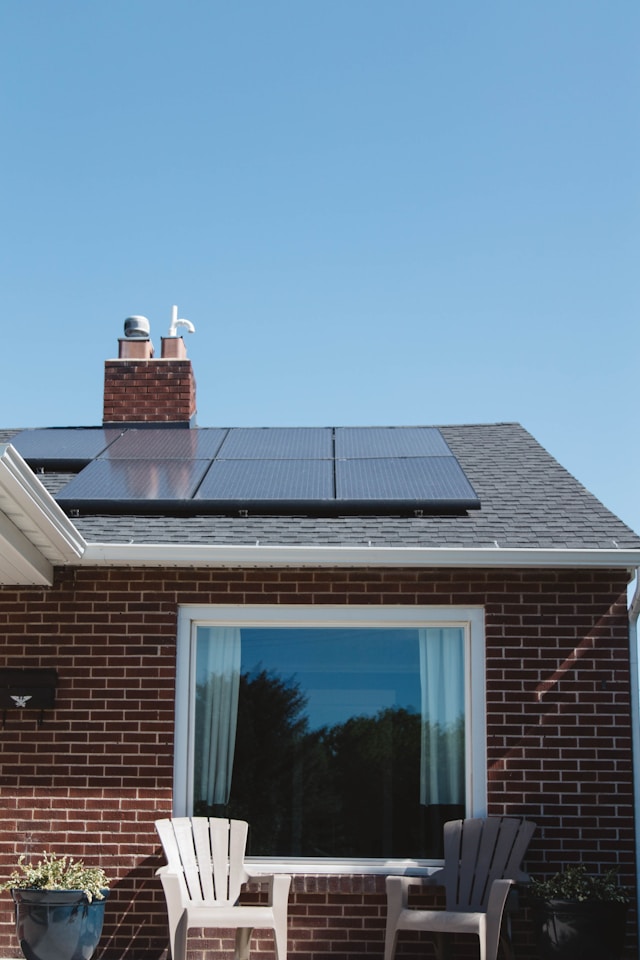
An example of successfully incorporating eco-friendly furniture is John’s backyard transformation in Boulder, Colorado. With a focus on sustainability, he chose recycled plastic chairs that mimic the look of traditional Adirondack seats. Initially more costly than simple wooden versions, these chairs have required zero maintenance in three years and show no signs of wear despite Colorado's harsh winters.
Conversely, Sarah from Austin opted for locally sourced teak furnishings for her patio. She appreciated their warm aesthetic but was mindful of sourcing certified wood to avoid contributing to deforestation. The furniture has remained pristine through seasonal changes thanks to its natural oil resistance.
Sustainability Checklist for Purchasers
- Verify Material Origins: Ensure raw materials are ethically sourced and consider certifications that verify environmental responsibility.
- Check Manufacturer Practices: Support companies that prioritize green manufacturing processes.
- Evaluate Lifespan: Choose materials that promise longevity to minimize replacement frequency and environmental impact.
Conclusion
Selecting eco-friendly outdoor furniture requires careful consideration of materials’ ecological footprints alongside their costs and durability. By prioritizing sustainability and informed decision-making, consumers can contribute positively to environmental preservation while enjoying a beautiful and functional outdoor space. Consider the balance between cost, maintenance, and sustainability when making your next purchase.