Innovative Design Techniques for a Thriving Balcony Garden
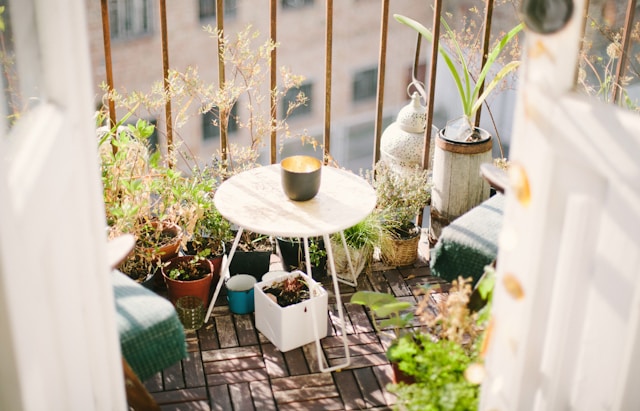
The Urban Oasis: Crafting a Balcony Retreat
In the heart of bustling cities, finding a slice of nature can be a challenge. Yet, with a bit of creativity and innovative design techniques, your balcony can become a thriving garden that elevates your urban living experience. This guide will help you explore unique plant choices and design methods to transform your outdoor space into a vibrant, sustainable haven.
Choosing the Right Plants for Your Balcony
Your plant selection is crucial to developing a balcony garden that not only survives but thrives. Consider the following when choosing plants:
- Sunlight Exposure: Observe the sunlight patterns on your balcony. Is it bathed in sunlight throughout the day, or is it more shaded? Choose plants like succulents or herbs for sunny spots, and opt for ferns or shade-loving flowers like impatiens for less sunny areas.
- Climate Compatibility: Select species that can withstand your local climate conditions. For cooler climates, consider hardy perennials like lavender, while in warmer regions, tropical plants such as orchids and bromeliads can add vibrant color.
Additionally, incorporating edible plants not only enriches your meals but also adds a layer of sustainability to your garden. Try growing cherry tomatoes or various herbs in pots.
Scenario: Transforming a North-Facing Balcony
Consider Sarah, who lives in an apartment with a north-facing balcony in Chicago. She noticed her balcony received minimal direct sunlight. By selecting shade-tolerant plants like ferns and hostas, along with colorful shade flowers, she created a lush, green retreat that thrives despite limited sunlight exposure.
Clever Use of Vertical Space
Balconies often have limited floor area, making vertical gardening an ideal solution to maximize space. Here are some strategies:
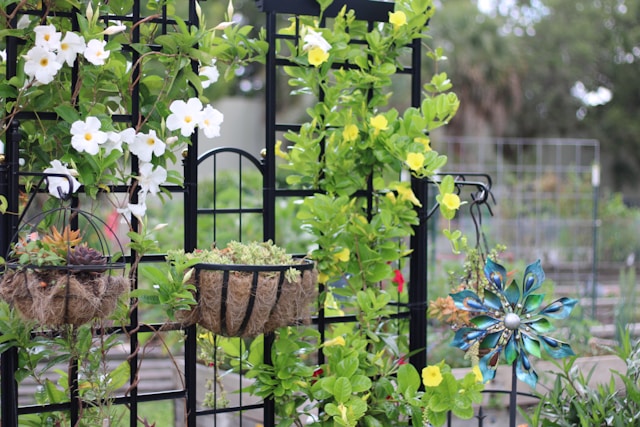
- Trellises and Wall Planters: Install trellises for climbing plants like jasmine or clematis. Wall planters can house succulents or small flowering plants.
- Hanging Baskets: Use hanging baskets for trailing plants such as petunias, enhancing the visual appeal by adding layers.
This approach not only increases your planting area but also creates a visually dynamic landscape that draws the eye upwards.
The Workflow of Vertical Gardening
- Plan Your Design: Sketch out where you’d like vertical elements and how they’ll complement each other visually and spatially.
- Select Suitable Plants: Choose climbing or trailing plants based on their growth habits and your environmental conditions.
- Secure Structures: Use weather-resistant materials to ensure trellises and wall planters withstand outdoor conditions.
Sustainability Through Smart Watering Techniques
Sustainable gardening isn't just about the plants you choose; it's also about how you care for them. Water conservation is essential, particularly in urban environments.
- Self-Watering Pots: These pots include reservoirs that reduce water frequency needs and prevent overwatering.
- Drip Irrigation Systems: Efficiently deliver water directly to the plant roots, minimizing evaporation and runoff.
A well-planned watering system can significantly reduce water waste while ensuring your plants get the hydration they need.
A Practical Guide to Setting Up Drip Irrigation
- Select Your System: Purchase a kit designed for smaller spaces, which typically includes tubing and emitters tailored for pot irrigation.
- Layout Tubing: Arrange the tubing throughout your pots, ensuring each plant receives adequate water supply.
- Tweak & Monitor: Adjust the emitter settings to regulate water flow, and monitor plant health to make necessary adjustments.
Aesthetic Enhancements: Integrating Art and Nature
Your balcony garden can be more than just greenery. Integrate art to create an inviting atmosphere:
- Sculptural Elements: Small statues or artistic pieces placed strategically can act as focal points within your garden design.
- Color Accents: Use colorful pots or outdoor-safe paint to add vibrant hues that complement your plants.
An artistic touch not only personalizes your space but also enhances the calming effect of your balcony garden.
The Journey of Balancing Art and Nature
Tony, an artist living in Seattle, decided to infuse his love for sculpture into his balcony garden. By placing small metallic sculptures among lush greenery, he created a harmonious blend of art and nature, resulting in a uniquely personal oasis that reflects his creative spirit.
Nurturing Biodiversity: Attracting Urban Wildlife
A thriving balcony garden can also contribute to local ecosystems by attracting urban wildlife such as birds and butterflies. Implement these ideas:
- Nectar-Rich Flowers: Grow flowers like coneflowers, which attract pollinators.
- Bird Feeders: Install feeders to invite birds while providing natural pest control benefits.
This approach not only enhances your garden's biodiversity but also brings life and movement into your space.
The Path Forward: Embracing Continuous Growth
Your balcony garden is a living project that evolves over time. Embrace changes and continuously adapt to improve its sustainability and beauty. Whether you're replacing plants with seasonal varieties or adjusting layouts as your garden matures, maintaining flexibility is key to long-term success.
Create a monthly checklist to ensure all elements are thriving: pruning dead foliage, rotating plant positions for optimal light, and refreshing soil nutrients. These small actions collectively contribute to a vibrant, enduring balcony garden that enhances your urban lifestyle.