Incorporating Trellises to Save Ground Space in Gardens
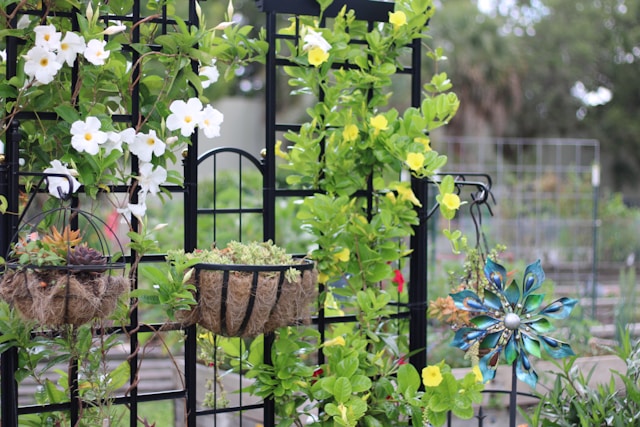
Vertical Gardening: The Future of Small Garden Spaces
With the rising trend of urban living and diminishing outdoor spaces, gardeners are often faced with the challenge of maximizing their limited areas. Vertical gardening presents a solution that is both innovative and practical, offering gardeners the ability to grow a diverse range of plants without needing extensive ground space. A crucial element of vertical gardening is the use of trellises, which not only help in saving ground space but also enhance the aesthetic appeal of a garden.
The Benefits of Using Trellises
- Space Efficiency: Trellises allow gardeners to utilize vertical space, enabling them to grow more plants in a limited area. This is particularly beneficial for those with small yards or urban balcony gardens.
- Aesthetic Appeal: A well-designed trellis can serve as a beautiful focal point in a garden, adding height and visual interest. Climbing plants like roses or clematis can create stunning vertical displays.
- Improved Plant Health: Elevating plants off the ground improves air circulation around them, reducing the risk of fungal diseases and pest infestations.
- Easier Maintenance: Trellised plants are easier to prune and harvest, reducing back strain from bending over garden beds.
Choosing the Right Trellis for Your Garden
The first step in incorporating trellises into your garden is selecting the right type. Consider your plant species, available space, and desired aesthetic when making your choice. Here are some popular options:
1. Wooden Trellises
Wooden trellises are classic and versatile, providing a natural look that complements most garden styles. They can be custom-built to any size, offering flexibility in design. However, wood requires regular maintenance, such as staining or sealing, to prevent weather damage.
2. Metal Trellises
Metal trellises are durable and often come in intricate designs, adding elegance to any garden. While they are more expensive than wood, they require less maintenance and can support heavier plants like grapevines.
3. PVC Trellises
PVC or plastic trellises are lightweight and resistant to weather conditions. They are ideal for beginner gardeners due to their affordability and low maintenance needs. However, they might not support very heavy plants.
Creative Uses for Trellises in Small Gardens
Trellises offer more than just a structure for climbing plants. Here are some creative ways to incorporate them into your garden:
- Privacy Screens: Use tall trellises with dense climbers like ivy or jasmine to create privacy screens around your patio or balcony.
- Dividers: In larger gardens, trellises can act as dividers to section off different areas or themes within the space.
- Living Walls: Attach small pots or containers to a trellis to create a living wall. This is perfect for growing herbs or small flowers in limited spaces.
Workflow: Setting Up Your Trellis System
Creating an effective trellis system involves several steps:
Step 1: Planning Your Layout
Before purchasing or constructing trellises, plan where they will be placed in your garden. Consider sunlight exposure, plant height at maturity, and access for maintenance.
Step 2: Installation
Once you have your layout planned, install the trellises. For wooden structures, make sure they are secured firmly into the ground with stakes or anchored against a wall if needed. Metal and PVC options may come with specific instructions for installation.
Step 3: Selecting Plants
Choose climbing or vining plants suited to your climate and garden conditions. Popular choices include beans, peas, cucumbers for vegetables; morning glories, clematis, and climbing roses for flowers.
Step 4: Training Plants
As your plants grow, train them to climb the trellis by gently tying stems to the structure with garden twine or clips. Regularly check and adjust ties as needed to avoid damaging stems.
Practical Tips for Maintaining Trellised Plants
- Regular Pruning: Keep plants healthy by removing dead or diseased foliage and trimming back overgrown sections to encourage bushier growth.
- Pest Control: Monitor for pests that may hide in dense foliage, such as aphids or spider mites, and treat promptly using organic methods or insecticidal soap.
- Nutrient Management: Fertilize climbers according to their specific needs—vegetable climbers may need more nitrogen during the growing season.
Trade-offs and Considerations
While trellising offers numerous benefits, there are some considerations and trade-offs:
- Cost: High-quality materials and elaborate designs can increase initial costs. However, investing in durable materials like metal may save money on replacements over time.
- Time Investment: Training and maintaining trellised plants requires regular attention, which may be a constraint for busy gardeners.
Despite these considerations, the advantages of increased plant variety and efficient space use make incorporating trellises a worthy investment for most gardeners.
Aesthetic Enhancements: Combining Plants and Structures
Trellises offer opportunities for creating layers and contrasts in your garden's visual landscape. Pair vibrant flowering vines with evergreen climbers to enjoy year-round interest. Experiment with color combinations that complement your overall garden theme.
Conclusion: Embrace Vertical Gardening
The integration of trellises into your gardening strategy opens up new possibilities for creativity and functionality. By elevating plants into the vertical space, you not only conserve precious ground area but also transform your garden into a lush, dynamic space filled with depth and interest. Embrace the art of vertical gardening—it's not just a trend but a sustainable approach that adapts beautifully to modern living spaces.