ideal perennials for fostering a vibrant outdoor pollinator habitat
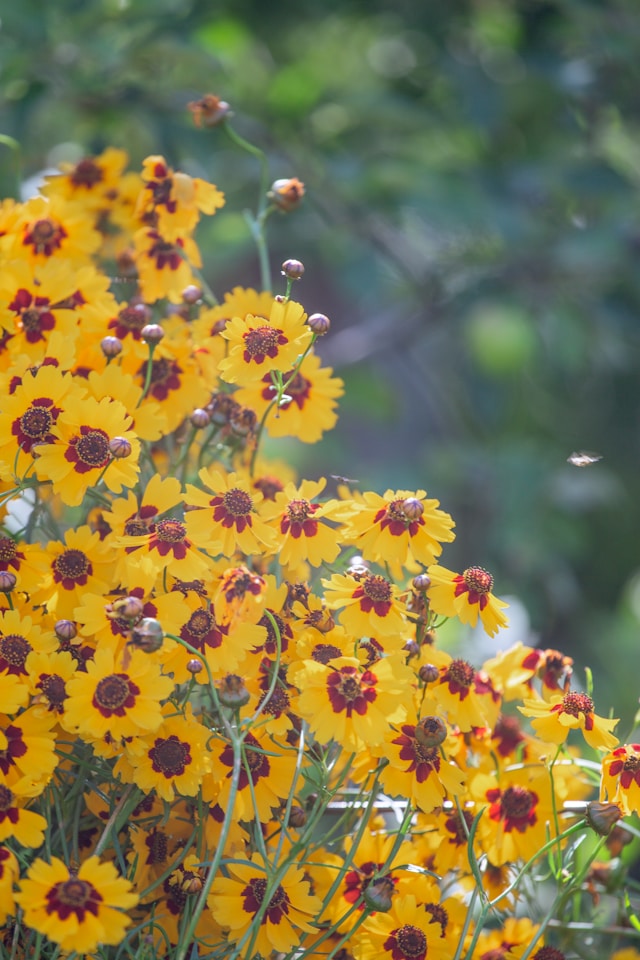
The Importance of Pollinators in Your Garden
Pollinators, such as bees, butterflies, and hummingbirds, play a crucial role in the health of our ecosystems. They are responsible for helping plants reproduce by transferring pollen from one flower to another. This process is essential for the production of fruits, seeds, and vegetables that many species, including humans, rely on for sustenance.
Creating a pollinator-friendly garden not only enhances your outdoor space but also contributes significantly to the environmental well-being. By selecting the right perennials, you can create a thriving habitat that supports these vital creatures while enjoying a colorful and dynamic landscape.
Choosing the Right Perennials
When selecting perennials for your pollinator garden, it's important to choose varieties that provide both nectar and pollen throughout the growing season. Here are some top choices:
- Black-eyed Susan (Rudbeckia hirta): These hardy flowers bloom from mid-summer to fall, providing an excellent source of nectar for butterflies and bees.
- Lavender (Lavandula spp.): Known for its soothing scent, lavender attracts a variety of pollinators, including honeybees and butterflies.
- Bee Balm (Monarda didyma): With its vibrant red or pink blooms, bee balm is a favorite among hummingbirds and bees alike.
- Purple Coneflower (Echinacea purpurea): Offering both beauty and resilience, coneflowers attract bees and butterflies from midsummer through fall.
Local Considerations
When planning your garden, consider the specific pollinators native to your region. Researching local species can help you select plants that will attract and sustain them effectively. Additionally, try to incorporate native plant species, as they are more adapted to your local climate and soil conditions, requiring less maintenance and water.
Optimal Planting Strategies
Creating Layers
An effective strategy to ensure a constant supply of nectar and pollen is planting in layers. This involves selecting plants with varying heights and blooming periods. For example:
- Tall Plants: Sunflowers and hollyhocks can serve as backdrop plants while attracting bees and butterflies.
- Medium Plants: Use plants like bee balm and black-eyed Susan to fill in the middle ground.
- Ground Cover: Creeping thyme or sedum can provide additional forage at lower levels.
Diversity is Key
Diversity in plant selection not only supports a wider range of pollinators but also creates visual interest. Mix different colors, shapes, and textures to make your garden both inviting for pollinators and pleasing to the eye. Aim for a succession of blooms from early spring to late fall to provide continuous resources.
Clustering Plants
Planting in clusters rather than individual specimens can make it easier for pollinators to find and access their favorite flowers. Groups of five to seven plants are ideal for creating impact without overcrowding.
Maintenance Tips for a Thriving Garden
Water Wisely
While native plants are typically drought-tolerant, newly planted perennials will need regular watering until established. Water deeply but infrequently to encourage deep root growth.
Avoid Pesticides
Chemicals can harm beneficial insects along with pests. Instead of pesticides, consider organic alternatives or hand-picking pests. Encourage natural predators like ladybugs by providing habitats for them as well.
Pruning and Deadheading
Regularly prune dead or diseased plant material to promote healthy growth. Deadheading spent blooms can encourage additional flowering in many perennials, thus extending the food source for pollinators.
A Mini-Framework for Building a Pollinator Habitat
- Assess Your Space: Observe sun patterns and soil conditions to select suitable plant species.
- Select Diverse Plants: Choose a mix of native perennials with staggered blooming periods.
- Create Structure: Plan your layout using tall, medium, and ground-covering plants for a layered effect.
- Cluster Plantings: Group plants into clusters to enhance visibility and accessibility for pollinators.
- Maintain Naturally: Employ organic gardening practices such as mulching and manual pest control to foster a healthy ecosystem.
By following these strategies and selecting the right perennials, you'll be well on your way to creating a vibrant outdoor space that supports local pollinators. Not only will you enjoy the beauty and bounty of a thriving garden, but you'll also contribute positively to the environment by nurturing these essential creatures.