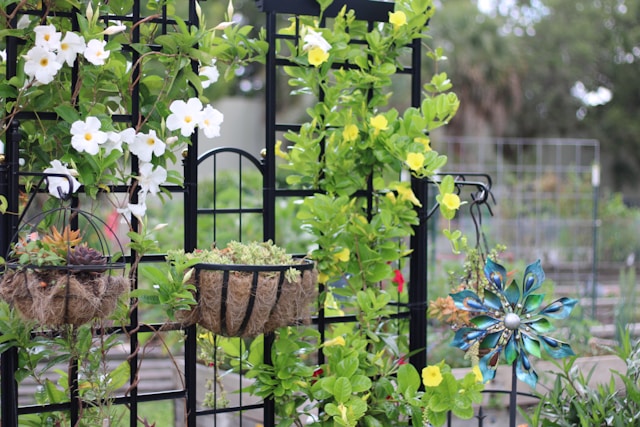
Creating Dynamic Outdoor Spaces That Support Local Pollinators
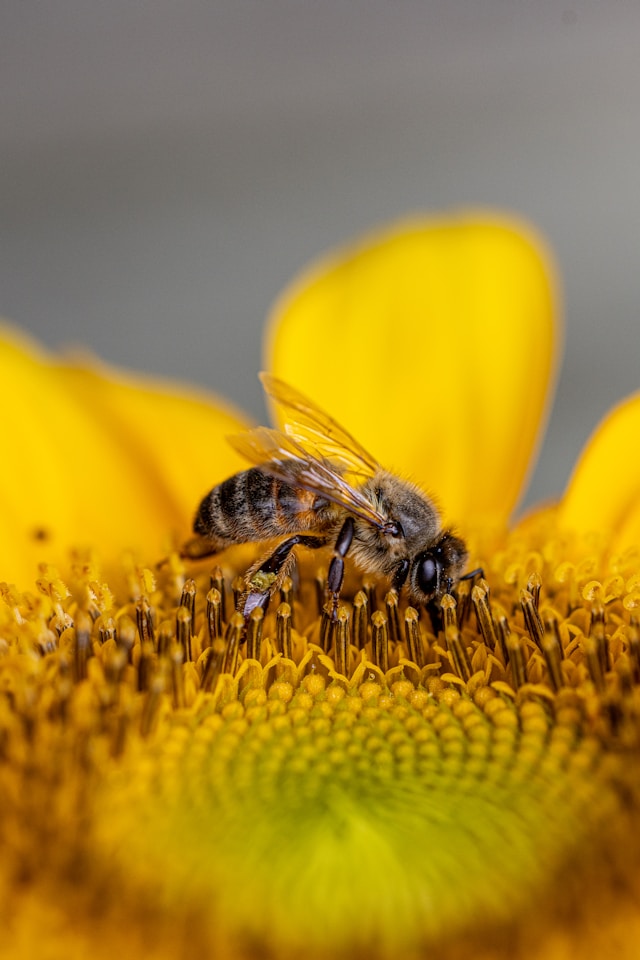
The Importance of Supporting Local Pollinators
Pollinators such as bees, butterflies, and other insects play a crucial role in the ecosystem by helping plants reproduce. They facilitate the pollination process, which is essential for producing fruits, vegetables, and flowers. Unfortunately, pollinator populations are declining due to habitat loss, pesticide use, and climate change. Creating gardens that support these creatures not only helps them but also enhances your garden's beauty and productivity.
Design Principles for a Pollinator-Friendly Garden
When designing a garden with pollinators in mind, consider diversity, bloom timing, and plant grouping. These principles ensure that pollinators have access to resources throughout the growing season.
Diversity in Plant Selection
A diverse array of plants attracts a broader range of pollinators. Choose native plants whenever possible, as local pollinators have co-evolved with these species. Native plants are also typically more resilient and require less maintenance.
- Example: In North America, the Eastern Redbud (Cercis canadensis) provides early spring nectar for bees.
- Example: The Butterfly Milkweed (Asclepias tuberosa) attracts monarch butterflies with its vibrant orange flowers.
Bloom Timing Considerations
Plan for a succession of blooms from early spring to late fall. This ensures continuous food availability for pollinators.
- Early Bloomers: Crocus and lungwort can provide vital early-season nectar.
- Mid-Season Blooms: Coneflowers (Echinacea) and lavender offer mid-season sustenance.
- Late Bloomers: Asters and goldenrods extend the food source into autumn.
Grouping Plants for Maximum Impact
Group similar plants together to create mass plantings. This makes it easier for pollinators to find and efficiently feed on them.
- Tip: Plant in drifts of at least three to five plants to create visual impact and a robust feeding area.
Layout Strategies for Pollinator Gardens
A thoughtful garden layout can enhance both aesthetics and functionality for pollinators.
Create Layers in Your Garden
Incorporate different plant heights to create a layered effect. This mimics natural habitats and provides various nesting options.
- Tall Layers: Trees like serviceberry or small shrubs can form the canopy layer.
- Medium Layers: Herbaceous perennials such as sunflowers or hollyhocks add mid-height interest.
- Ground Covers: Creeping thyme or clover can serve as lush underlayers.
Incorporate Water Features
A small water feature like a bird bath or pond can attract and sustain pollinators. Ensure the water is shallow enough for insects to land safely.
- Maintenance Tip: Change water frequently to prevent mosquito breeding.
Pesticide-Free Practices
Pesticides can be harmful to pollinators. Adopt organic gardening practices to maintain a safe environment.
Companion Planting for Pest Management
Certain plants can deter pests naturally when grown together.
- Example: Planting marigolds with vegetables can repel nematodes and aphids.
Encouraging Natural Predators
Create habitats for beneficial insects such as ladybugs and predatory beetles that control pest populations naturally.
- Tip: Install insect hotels or leave some logs in shaded areas to attract these helpful species.
Creating a Bee Sanctuary
Bees are among the most effective pollinators. Designing parts of your garden specifically for them can greatly enhance pollination success.
Nesting Sites for Bees
Diverse bee species need different nesting environments. Provide undisturbed patches of soil for ground-nesters and hollow stems or bee houses for cavity-nesters.
- DIY Project: Construct a bee hotel using bamboo sticks bundled tightly together or drilled holes in untreated wood blocks.
Butterfly Habitats
Cater to butterflies by planting host plants where they can lay eggs and their caterpillars can feed.
Selecting Host Plants
Certain plants serve as food for caterpillars, which is crucial for butterfly life cycles.
- Monarchs: Rely on milkweed species for larval feeding.
- Swallowtails: Prefer dill, parsley, and fennel as host plants.
Nectar Sources
Ensure a wide variety of nectar-rich flowers are available to sustain adult butterflies throughout their lifespan.
- The brightly colored Buddleia, or butterfly bush, is a classic choice for attracting butterflies.
A Seasonal Care Checklist
Maintaining a pollinator garden requires seasonal attention. Here’s a simple checklist to keep your garden thriving year-round:
- Spring: Begin planting early bloomers and prepare nesting sites.
- Summer: Ensure consistent watering and deadhead flowers to prolong bloom periods.
- Autumn: Plant late-season bloomers and collect seeds for next year.
- Winter: Leave plant debris for overwintering insects and tidy up as spring approaches.