Building a Sustainable Vegetable Garden That Endures Climate Changes
Planning Your Climate-Resilient Garden
In the face of unpredictable weather patterns, creating a vegetable garden that can endure climate changes requires strategic planning and thoughtful design. It's essential to choose plants wisely, incorporate water-saving techniques, and adapt your garden layout to withstand varying environmental conditions.
Selecting Climate-Resilient Crops
Choosing the right crops is the cornerstone of a sustainable vegetable garden. Opt for drought-resistant varieties that are known for their resilience in harsh conditions. For instance, crops like zucchini, eggplants, and certain tomato varieties can thrive with minimal water.
- Zucchini: A fast-growing plant that does well in full sun and can tolerate dry soil.
- Eggplant: Prefers hot weather and is relatively drought-tolerant.
- Cherry Tomatoes: Known for their hardiness and ability to produce even in less-than-ideal conditions.
By selecting these types of plants, you'll have a better chance of maintaining a productive garden despite changing weather patterns.
Implementing Water Conservation Methods
Water conservation is crucial in a sustainable garden. Here are some effective techniques to ensure your garden remains hydrated without over-relying on external water sources:
- Drip Irrigation: Install a drip irrigation system to deliver water directly to the roots of your plants. This method reduces evaporation and ensures efficient water use.
- Mulching: Apply a thick layer of organic mulch around your plants. Mulch helps retain moisture, suppresses weeds, and improves soil health.
- Rainwater Harvesting: Set up rain barrels to collect and store rainwater. This free resource can be used to water your garden during dry spells.
Designing Your Garden Layout
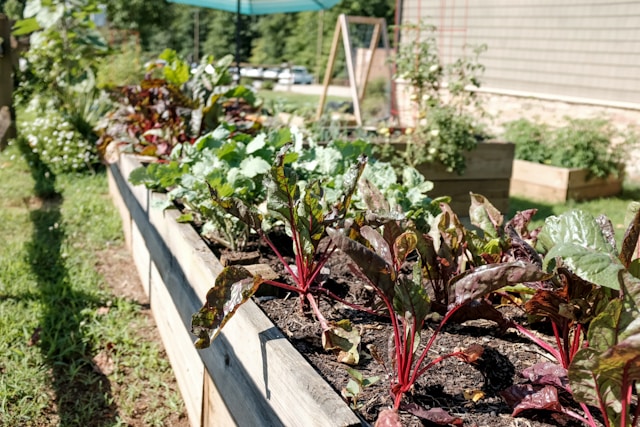
A well-designed garden layout can buffer against the extremes of weather. Consider implementing raised beds and companion planting to enhance resilience.
Advantages of Raised Beds
Raised beds offer several benefits for a climate-resilient garden:
- Improved Drainage: Raised beds allow excess water to drain away, reducing the risk of root rot during heavy rainfall.
- Soil Quality Control: You can tailor the soil composition, ensuring it suits the needs of your plants while enhancing drainage and nutrient content.
- Pest Management: Elevated beds are more accessible for monitoring and managing pests that might otherwise thrive in ground-level gardens.
The Role of Companion Planting
Companion planting involves growing different plants together to benefit each other, often reducing pest problems and improving growth rates. For example, planting basil alongside tomatoes not only enhances the flavor but also deters pests such as whiteflies. Similarly, marigolds can repel nematodes and other harmful insects, providing natural pest control without chemicals.
Maintaining Soil Health
The health of your soil directly impacts the resilience of your garden. Here's how you can maintain and enhance soil quality:
Regular Soil Testing
Conduct soil tests periodically to assess nutrient levels and pH balance. This allows you to make informed decisions about amendments needed to optimize plant health.
Organic Amendments
Add organic matter such as compost or well-rotted manure to improve soil structure, fertility, and water-holding capacity. This practice not only nourishes plants but also promotes beneficial microbial activity in the soil.
- Compost: Rich in nutrients, compost enhances soil structure and provides a steady release of nutrients.
- Green Manure: Plant cover crops like clover or rye during the off-season to add organic matter and protect the soil from erosion.
Creating Biodiversity Within Your Garden
Biodiversity is crucial for building a resilient ecosystem within your garden. By attracting beneficial insects and pollinators, you can create a balanced environment that naturally mitigates pest issues.
Planting Native Species
Incorporate native plants into your garden to attract local pollinators. These plants are adapted to your region's climate and require less maintenance. For instance, Echinacea, Lavender, and Bee Balm are excellent choices for attracting bees and butterflies.
Providing Habitats for Beneficial Insects
Create habitats for beneficial insects like ladybugs and lacewings by leaving some areas undisturbed or by constructing insect hotels using natural materials such as bamboo canes or straw.
Navigating Seasonal Changes
Adapting your gardening practices to seasonal shifts is essential for long-term success. With climate change causing increasingly erratic weather patterns, flexibility is key.
Seasonal Crop Rotation
Crop rotation helps maintain soil fertility and reduces disease buildup. Each season, change where you plant different types of vegetables to prevent soil depletion and disrupt pest cycles.
Extending the Growing Season
You can extend your growing season using techniques like hoop houses or cold frames. These structures protect against early frosts and keep plants warm during cooler months, allowing you to harvest fresh produce beyond the usual growing period.
A Checklist for Building Your Sustainable Vegetable Garden
- Select drought-resistant crops suitable for your climate zone.
- Install a drip irrigation system for efficient water use.
- Add mulch to conserve moisture and suppress weeds.
- Collect rainwater with barrels for supplemental irrigation.
- Design raised beds to improve drainage and manage pests.
- Practice companion planting for natural pest control.
- Conduct regular soil tests to monitor nutrient levels.
- Add organic matter such as compost to improve soil health.
- Create habitats for beneficial insects to promote biodiversity.
- Rotate crops annually to maintain soil fertility.
By following these steps, you're well on your way to cultivating a vegetable garden that's not only productive but also resilient against the challenges posed by climate change. Through careful planning and sustainable practices, you can enjoy the fruits of your labor for many seasons to come.