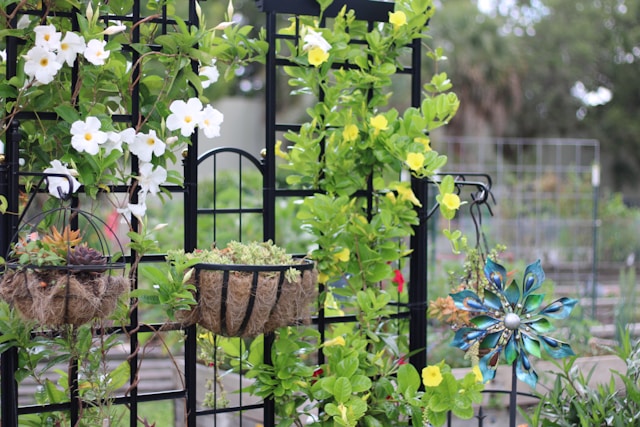
understanding how minimalism and maximalism shape interior aesthetics
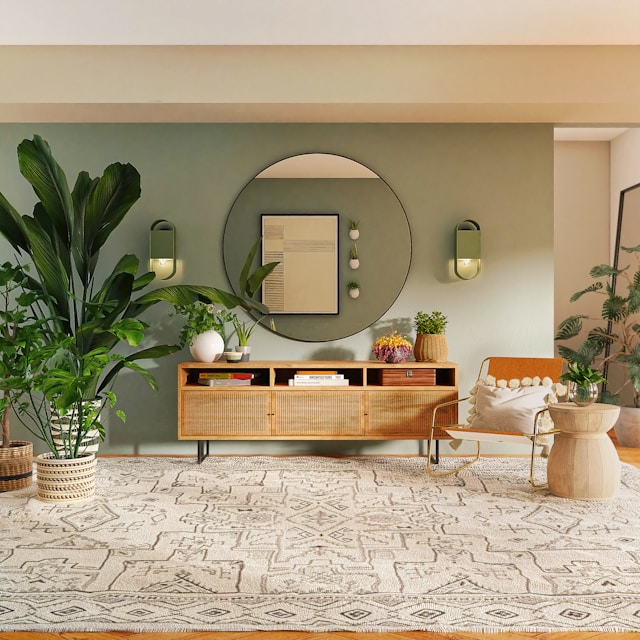
The Essence of Minimalism in Interior Design
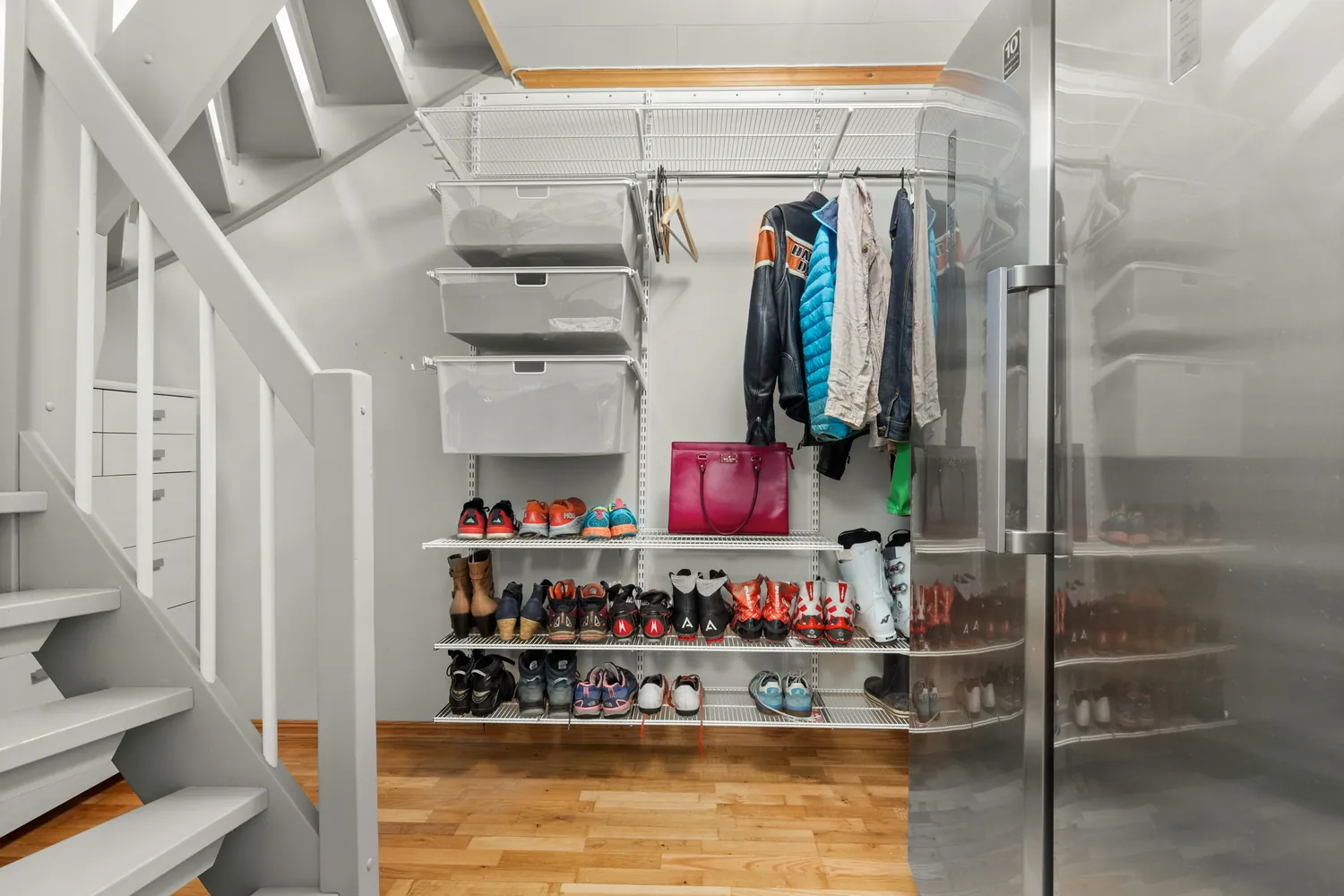
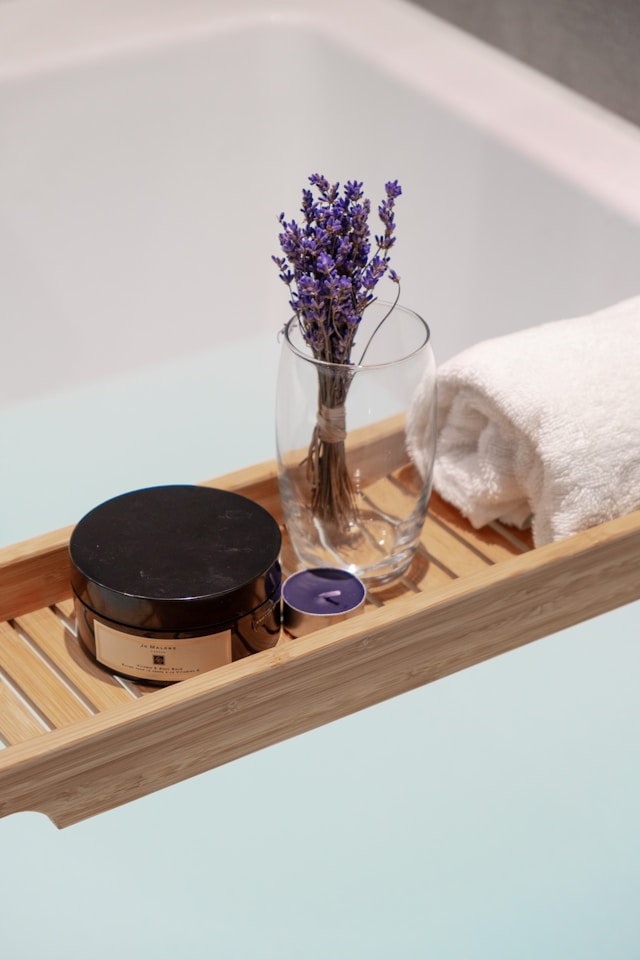
Minimalism is characterized by simplicity, functionality, and a profound sense of tranquility. This design philosophy emphasizes the 'less is more' approach, where each element has a purpose, and unnecessary clutter is avoided. By focusing on essentials, minimalist interiors often feature clean lines, a neutral color palette, and open spaces that encourage a calm atmosphere.
Functional Benefits of Minimalism
Minimalist design is not just about aesthetics; it also offers significant functional advantages:
- Efficiency: Spaces are optimized for their intended purpose, eliminating distractions and enhancing productivity.
- Easy Maintenance: Fewer items mean less cleaning and organizing, making it easier to maintain an orderly home.
- Cost-Effective: Investing in fewer, high-quality pieces often proves more economical than constant purchases of transient trends.
Creating a Minimalist Space: Practical Tips
Here are some practical steps to achieve a minimalist interior:
- Declutter: Begin by evaluating your possessions and removing items that do not serve a clear purpose or bring joy.
- Choose a Neutral Palette: Opt for whites, grays, or earth tones that create a serene backdrop.
- Select Simple Furniture: Favor pieces with clean lines and multifunctionality. For instance, a sofa with built-in storage can save space.
- Embrace Natural Light: Maximize windows and use sheer curtains to allow as much natural light as possible.
The Richness of Maximalism in Interior Design
Maximalism stands in stark contrast to minimalism. It thrives on abundance, bold colors, diverse patterns, and a dynamic blend of textures. This style encourages personal expression and individuality, offering a vibrant and eclectic aesthetic that speaks volumes about its occupants.
Aesthetic and Functional Attributes of Maximalism
Maximalism can transform spaces in unique ways:
- Bold Expression: Allows for personalized design where individual style takes center stage through art, collectibles, and bold colors.
- Diverse Functionality: Mixes various design elements and styles to create multi-functional areas.
Crafting a Maximalist Environment: Practical Tips
To successfully implement maximalism in your home, consider these guidelines:
- Start with a Statement Piece: Choose an item, like a large artwork or an ornate rug, to ground the room's design.
- Mix Patterns and Textures: Don't shy away from combining florals with geometrics or adding rich textures like velvet alongside smooth metals.
- Curate Thoughtfully: While maximalism celebrates abundance, aim for intentional curation where every item has a story or significance.
The Balance Between Minimalism and Maximalism
While minimalism and maximalism may seem worlds apart, they can actually complement each other when thoughtfully integrated. Finding a middle ground allows homeowners to benefit from the tranquility of minimalism while also enjoying the personal expression offered by maximalism.
Blending Elements: A Practical Approach
Here’s how you can combine elements of both styles:
- Create Zones: Use minimalist approaches in functional spaces like kitchens or bathrooms for ease of maintenance, while employing maximalist touches in living rooms or bedrooms for character.
- Layer Textures Mindfully: Integrate textured throws or cushions into a minimalist setting to add warmth without overwhelming simplicity.
A Real-World Example
A city apartment might use minimalist principles in its open-plan kitchen to maintain clarity and order, while the adjacent living room features bold art pieces and colorful furnishings that invite guests to explore the occupant’s personality.
The Impact on Space Utilization
The choice between minimalism and maximalism significantly influences how space is utilized within an interior environment. Minimalist designs often feel more expansive due to open layouts and sparse decoration. In contrast, maximalist designs use every inch creatively, making even small spaces feel rich and full of character.
The Functional Trade-Offs
Selecting one style over the other involves considering these trade-offs:
- Minimalism: Offers calmness and spaciousness but might lack warmth or personal touch if taken to extremes.
- Maximalism: Provides warmth and personalization but may lead to visual chaos without careful editing.
Conclusion: Choosing Your Path
Your choice between minimalism and maximalism should reflect your lifestyle needs and personal tastes. Whether you lean towards the serenity of minimalism or the vibrancy of maximalism—or find your perfect balance—it’s important to create an interior that feels like home to you.