Incorporating Natural Elements to Elevate Your Living Room Ambiance
Embracing Nature Indoors: A Transformative Design Approach
Incorporating natural elements into your living room can dramatically transform its ambiance. The idea is not just to bring nature indoors, but to create a tranquil, aesthetically pleasing space that enhances well-being and fosters a deeper connection with the natural world. By carefully choosing plants, materials, and light sources, you can craft a living environment that feels both refreshing and inviting.
The Mini-Framework for Natural Integration
This guide presents a practical mini-framework to help you seamlessly integrate natural elements into your living room:
- Choose plants based on light availability and care needs.
- Select materials that reflect nature, such as wood and stone.
- Utilize window treatments to maximize natural light.
Choosing the Right Plants for Your Space
Plants are perhaps the most direct way to infuse natural beauty into your living room. However, selecting the right species based on the lighting conditions and your lifestyle is crucial for their survival and your enjoyment.
Assessing Light Conditions
Determine how much natural light your living room receives. South-facing windows offer abundant sunlight, suitable for sun-loving plants like fiddle leaf figs or succulents. In contrast, north-facing rooms with lower light can house hardy species like snake plants or peace lilies, which thrive in shade or indirect light.
Plant Care and Maintenance
Your time commitment and experience level with plant care should influence your choices. Beginners might start with low-maintenance plants like pothos, which require minimal care yet still purify the air effectively. More experienced plant enthusiasts may enjoy cultivating a variety of ferns and bonsais, which demand more attention but offer lush foliage and intricate beauty.
Selecting Natural Materials for Furnishing
Naturally derived materials not only enhance aesthetic appeal but also contribute to a healthier indoor environment. Opt for furnishings that incorporate wood, stone, or other organic materials.
Wood: The Warm Foundation
Wooden elements add warmth and texture to any space. Consider a reclaimed wood coffee table or a bamboo floor lamp. These pieces provide durability while supporting sustainable design practices. Hardwoods such as oak or walnut offer rich tones that can complement various decor styles.
Stone and Textiles: Adding Texture
Add dimension by incorporating stone accents like granite mantelpieces or slate coasters. For textiles, choose fabrics like linen, cotton, or wool for pillows and throws. These materials breathe naturally and bring a comforting softness to your living area.
Maximizing Natural Light with Window Treatments
The strategic use of window treatments can dramatically alter how natural light affects your living room's mood and temperature.
Layering with Curtains and Blinds
Layering sheer curtains with heavier drapes allows for flexibility in controlling light levels throughout the day. Sheer fabrics diffuse sunlight gently, creating a soft glow, while heavier curtains can block excessive light during peak hours, aiding in temperature regulation.
Opting for Light-Enhancing Colors
Select window treatments in light-enhancing hues like white or cream to reflect sunlight deeper into the room. This can make smaller spaces feel larger and more open.
The Synergy of Elements: Bringing It All Together
Integrating these elements harmoniously is key to achieving a cohesive look. Consider using a neutral color palette to allow plant greenery and natural material textures to stand out as focal points.
A Case Study: Transforming a Suburban Living Room
A recent project involved reimagining a suburban living room through the integration of natural elements:
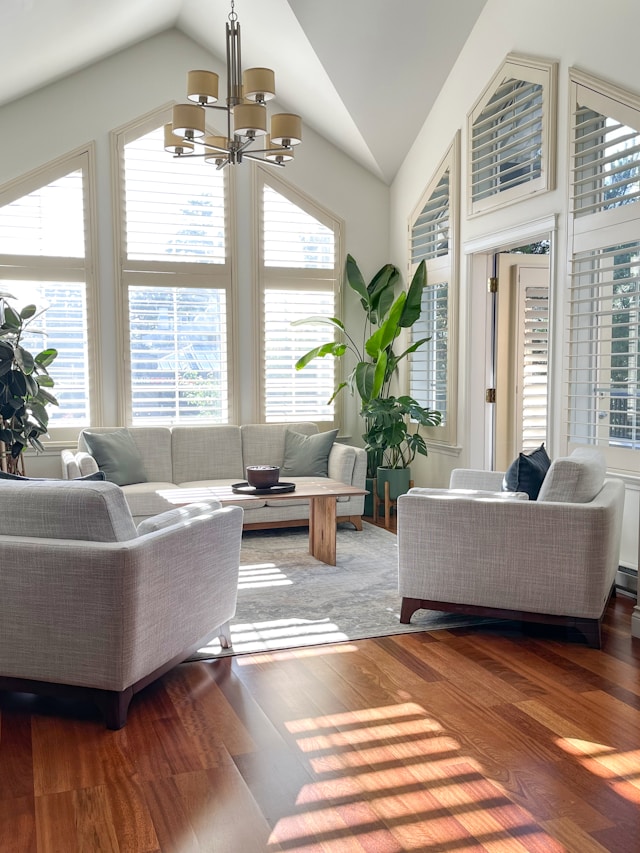
- A south-facing window provided ample light for a collection of succulents and a large Monstera deliciosa, both chosen for their sculptural qualities.
- A reclaimed wood bookshelf, filled with books and ceramic vases, introduced texture and character without overwhelming the space.
- Linen curtains in soft beige allowed sunlight to warm the room naturally while providing privacy in the evenings.
The result was a serene, welcoming space that felt much larger than its modest footprint suggested.
Conclusion: Crafting Your Natural Haven
Incorporating natural elements into your living room does more than elevate its aesthetic; it creates an environment that promotes peace, wellness, and connectivity with the world outside. By following this mini-framework—choosing the right plants, materials, and light strategies—you can transform any space into a personal oasis that feels both restorative and vibrant.