Examining the Practical Pros and Cons of Two Design Philosophies
Embracing Minimalism: Less is More
Minimalism in interior design focuses on simplicity, functionality, and the use of space to create a tranquil living environment. It emerged as a response to the chaos and clutter of modern life, emphasizing that beauty can be found in restraint. By prioritizing essential elements, minimalism aims to cultivate peace and order within a home.
The Aesthetic Appeal of Minimalism
Minimalist spaces are characterized by clean lines, neutral colors, and a lack of unnecessary decorations. This aesthetic not only enhances the visual appeal of a room but also accentuates its functional components. The key to a successful minimalist design is choosing quality over quantity—selecting furniture and decor that serve both practical and aesthetic purposes.
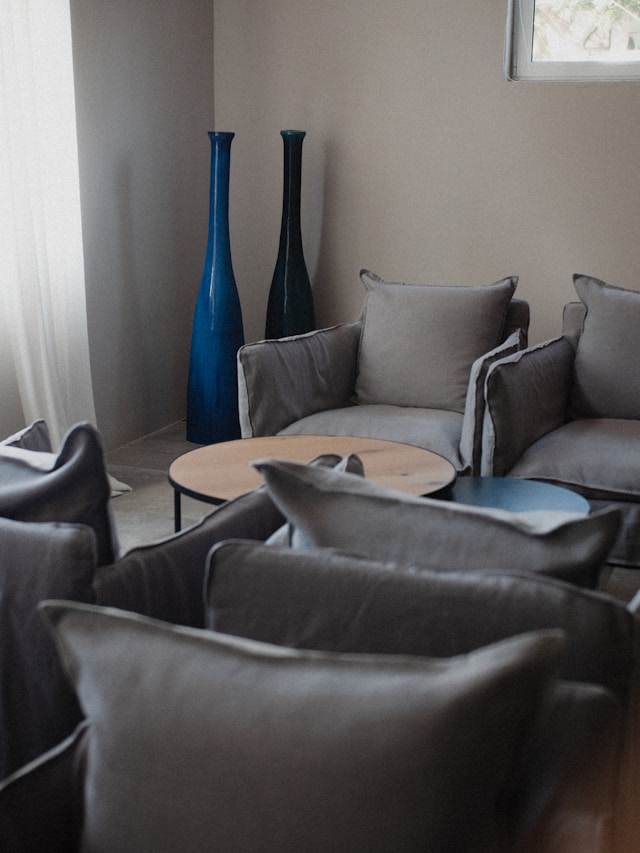
Example: In a minimalist living room, you might find a sleek gray sofa, a simple wooden coffee table, and a large piece of abstract art. The walls would likely be white or a soft earth tone, enhancing the room's openness and light.
Practical Drawbacks of Minimalism
Despite its appeal, minimalism can present challenges. For those with families or busy households, maintaining a minimalist environment can require constant vigilance. Each item in a room must be considered carefully to avoid disrupting the balance and harmony that minimalism seeks to achieve.
Another drawback is the potential lack of personalization. With limited decor, it can be challenging to infuse personality and warmth into a minimalist space, sometimes leaving it feeling sterile or uninviting.
When to Use Minimalism
Minimalism works best in environments where relaxation and focus are priorities. It's ideal for homes with smaller spaces, as it maximizes the perception of space by removing unnecessary clutter. Minimalist designs are also excellent for creating a sense of calm, making them suitable for home offices or bedrooms.
Diving into Maximalism: More is More
In stark contrast, maximalism embraces boldness, color, and an abundance of decorative elements. It champions individuality and personal expression through rich textures, vibrant patterns, and an eclectic mix of styles. Maximalism invites homeowners to fill their spaces with items they love, creating interiors that tell a story.
The Aesthetic Appeal of Maximalism
Maximalist interiors are rich in detail, often featuring layered textiles, diverse artworks, and statement furniture pieces. This design philosophy creates depth and interest in a space through the interplay of different elements. Maximalism thrives on contrasts and diversity—where one piece might clash with another in isolation but contributes to a harmonious whole when viewed together.
Example: A maximalist living room could include a vintage velvet sofa, an intricately patterned rug, mismatched cushions with varying textures, and walls adorned with an array of colorful paintings and photographs.
Practical Drawbacks of Maximalism
While maximalism offers unlimited creative freedom, it can easily tip into chaos if not executed with care. Without careful curation, spaces can become overwhelming or visually cluttered. There's also the risk of creating rooms that feel claustrophobic due to the sheer amount of elements involved.
Moreover, maximalist spaces often require more maintenance to ensure they remain functional and appealing. Dusting becomes a task of greater magnitude when you have multiple decorative objects displayed throughout your home.
When to Use Maximalism
Maximalism suits larger spaces where there's room to experiment without crowding. It's perfect for those who love collecting art or unique artifacts and wish to showcase their collections creatively. Maximalism is also an excellent choice for social spaces like living rooms or dining areas where energy and dynamism are welcome.
Finding Your Balance: Personalizing Your Space
Whether you lean towards minimalism or maximalism, the key is finding a balance that suits your lifestyle and personal tastes. Here are some tips for blending these philosophies:
- Start Small: Incorporate elements from both styles gradually. For example, begin with a minimalist base (neutral walls and floors) and add maximalist accents (bold artwork or vibrant cushions).
- Edit Mindfully: Regularly assess your space to remove items that no longer serve your aesthetic or functional needs.
- Focus on Functionality: Ensure each piece has a purpose beyond decoration, whether it's additional seating or improved storage.
Ultimately, your home should reflect who you are while providing comfort and joy. By understanding the strengths and limitations of both design philosophies, you can create a harmonious environment tailored to your unique vision.