Designing Flexible Areas: Adapting to Family Life Changes
Creating Multi-Functional Spaces for Growing Families
In today's dynamic household environments, families often encounter evolving needs that necessitate adaptable living spaces. As children grow, work-from-home trends continue, or lifestyle changes occur, having flexible areas in your home becomes crucial. This article delves into innovative layout strategies that transform living areas into multi-functional spaces, balancing aesthetics and practicality to accommodate diverse family activities.
Understanding the Need for Flexibility
The concept of flexible living spaces is driven by the increasing demand for multifunctionality within homes. Whether it's an extra room for a newborn or a quiet corner for remote work, adapting your home to fit changing requirements is essential. Understanding these needs can guide you in designing spaces that are not only functional but also visually appealing.
- Growing Children: Rooms that once served as nurseries may need to transform into study areas or play zones.
- Remote Work: The rise in home-based employment necessitates office spaces that can be easily integrated into existing rooms.
- Hobbies and Interests: As family members develop new hobbies, such as music or crafting, flexible space arrangements can accommodate these pursuits without disrupting the home's flow.
Innovative Layout Strategies
Creating a multi-functional space involves thoughtful planning and strategic use of available resources. Here are some innovative approaches:
Open-Plan Living
Open-plan layouts can effectively support multiple activities simultaneously. By removing walls or merging spaces such as the kitchen and living room, you foster a sense of togetherness while maintaining individual functionality. Consider the following:
- Use Rugs: Define different zones with area rugs to visually separate spaces without physical barriers.
- Furniture Arrangement: Employ furniture pieces like sectional sofas or bookshelves as dividers that also serve a functional purpose.
Convertible Furniture
The evolution of convertible furniture offers myriad possibilities for dynamic living areas. Pieces like fold-away desks, murphy beds, and expandable dining tables provide versatility without sacrificing style.
- Space-Saving Desks: A wall-mounted desk that folds away when not in use can transform a bedroom into an efficient home office.
- Sofa Beds: Ideal for living rooms that double as guest rooms, sofa beds provide comfortable seating during the day and restful sleeping arrangements at night.
Smart Storage Solutions
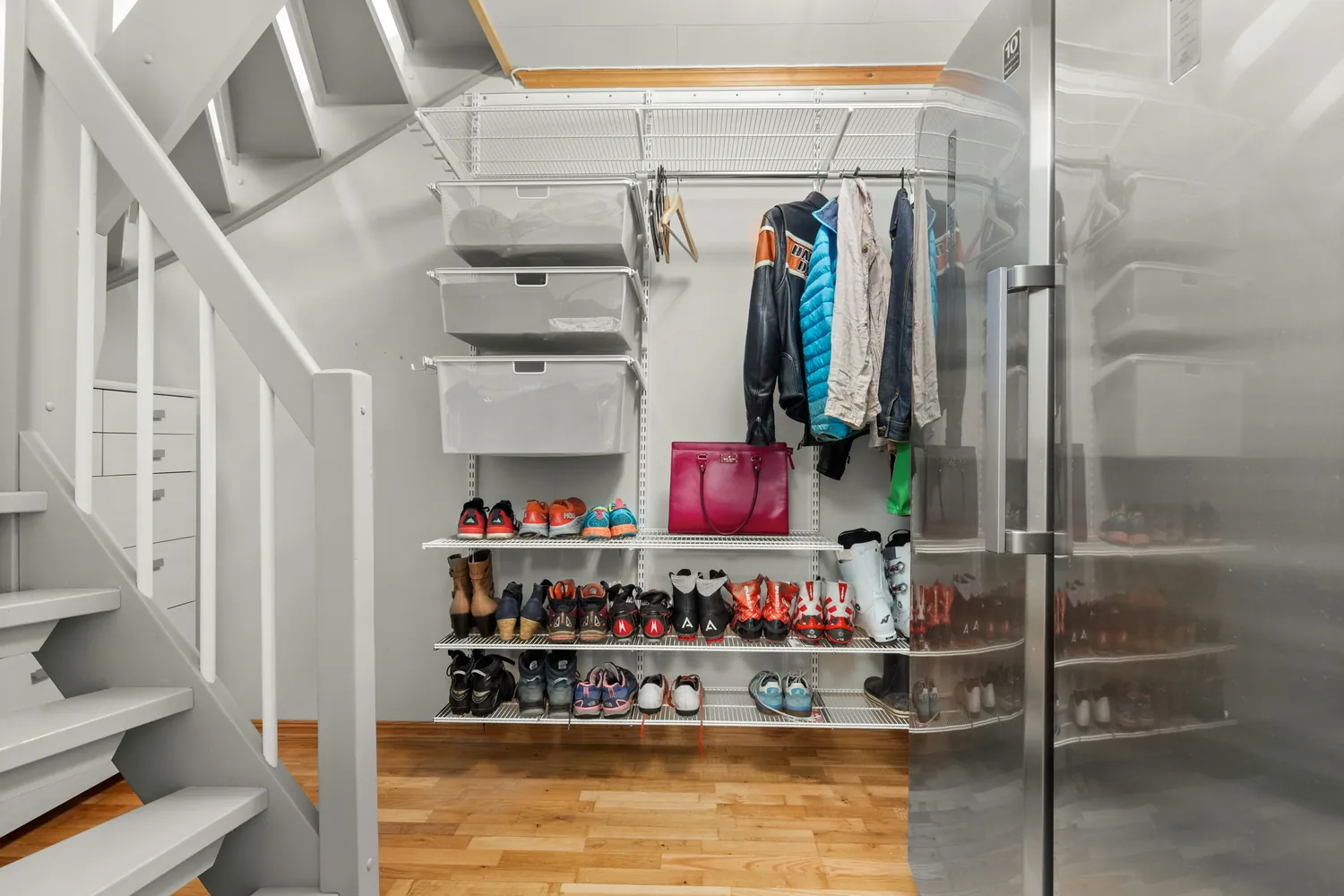
Clever storage solutions help keep spaces organized and clutter-free, enhancing functionality and appearance. Here are some ideas:
- Built-in Shelves: Maximize vertical space with custom built-in shelves that store everything from books to decorative items.
- Under-Stair Storage: Utilize the space beneath staircases for additional storage or even as a small reading nook.
Balancing Aesthetics and Practicality
Aesthetic considerations should align with practical needs to create harmonious living environments. The following tips can help achieve this balance:
Color Schemes
Selecting the right color palette can influence both mood and spatial perception. Light colors tend to make spaces feel larger and more open, while darker shades can create cozy, intimate areas.
- Accent Walls: Use bold colors sparingly on accent walls to add character without overwhelming the space.
- Neutral Tones: Neutral colors provide a versatile backdrop that complements various furnishings and decorations.
Lighting Considerations
A well-thought-out lighting plan enhances functionality and ambiance. Consider these strategies:
- Layered Lighting: Combine ambient, task, and accent lighting to cater to different activities and moods within a space.
- Dimmable Lights: Install dimmer switches to easily adjust light levels according to the time of day or activity.
Practical Tips for Implementing Flexibility
When designing flexible areas in your home, keep these practical tips in mind:
- Assess Current Needs: Conduct a thorough assessment of your family's current and anticipated needs. This will inform your design decisions and ensure spaces meet all required functions.
- Create a Master Plan: Outline a comprehensive plan that considers space usage, furniture placement, and potential future changes. A master plan helps maintain consistency throughout the design process.
- Invest in Quality: When choosing furniture or fixtures, prioritize quality over quantity. Durable materials ensure longevity, saving you time and money in the long run.
Real-Life Scenarios
To better illustrate these principles, consider the following scenarios where families successfully adapted their living spaces:
The Urban Apartment
A couple with a toddler living in a compact urban apartment transformed their open-plan kitchen-dining area into a multi-use space by incorporating a fold-down table attached to the kitchen island. This setup allows the area to serve as both a dining spot and workspace without permanent clutter.
The Suburban Home
A suburban family with school-aged children converted their basement into a dual-purpose entertainment zone and study area. By using modular furniture such as movable desks and stackable chairs, they created an adaptable environment conducive to both playdates and homework sessions.
Conclusion
Designing flexible areas within your home is not just about accommodating immediate needs; it's about anticipating future changes and preparing your space accordingly. With thoughtful planning and innovative solutions, you can create a versatile living environment that supports your family's evolving lifestyle while maintaining aesthetic appeal. Remember, flexibility is key—embrace change and enjoy the process of transforming your home into a harmonious blend of style and function.