creating synergy between modern aesthetics and vintage charm
The Intersection of Modern and Vintage
In the realm of interior design, the juxtaposition of modern aesthetics with vintage elements is both a challenge and an opportunity. When done thoughtfully, this combination can create spaces that are not only visually stunning but also rich with history and character. The key is to understand the characteristics of each style and how they can complement rather than clash with one another.
Understanding Modern Aesthetics
Modern design is characterized by clean lines, minimalist forms, and a focus on function. It embraces a 'less is more' philosophy, often utilizing neutral color palettes, open spaces, and natural light to create airy, uncluttered environments. Materials like glass, steel, and concrete are common, and there's an emphasis on simplicity and order.
- Pros: Offers a sleek, uncluttered look; emphasizes functionality; adaptable to various settings.
- Cons: Can feel cold or impersonal without careful attention to warmth and texture; might lack the depth or history found in more eclectic styles.
The Allure of Vintage Elements
In contrast, vintage design brings with it a sense of nostalgia and warmth. It involves incorporating furniture, decor, and other elements from previous eras, typically those that are over 20 years old. Vintage pieces can range from elegant antiques to funky mid-century finds, each carrying its own story and charm.
- Pros: Adds character and uniqueness; tells a story through historical pieces; can be more sustainable by reusing existing items.
- Cons: Risk of feeling cluttered if overused; may require more maintenance; finding authentic pieces can be challenging.
Strategies for Harmonizing Modern and Vintage
Successfully blending these two styles requires thoughtful curation and a discerning eye. Below are some strategies to help create harmony between modern and vintage elements in your home.
Create a Focal Point
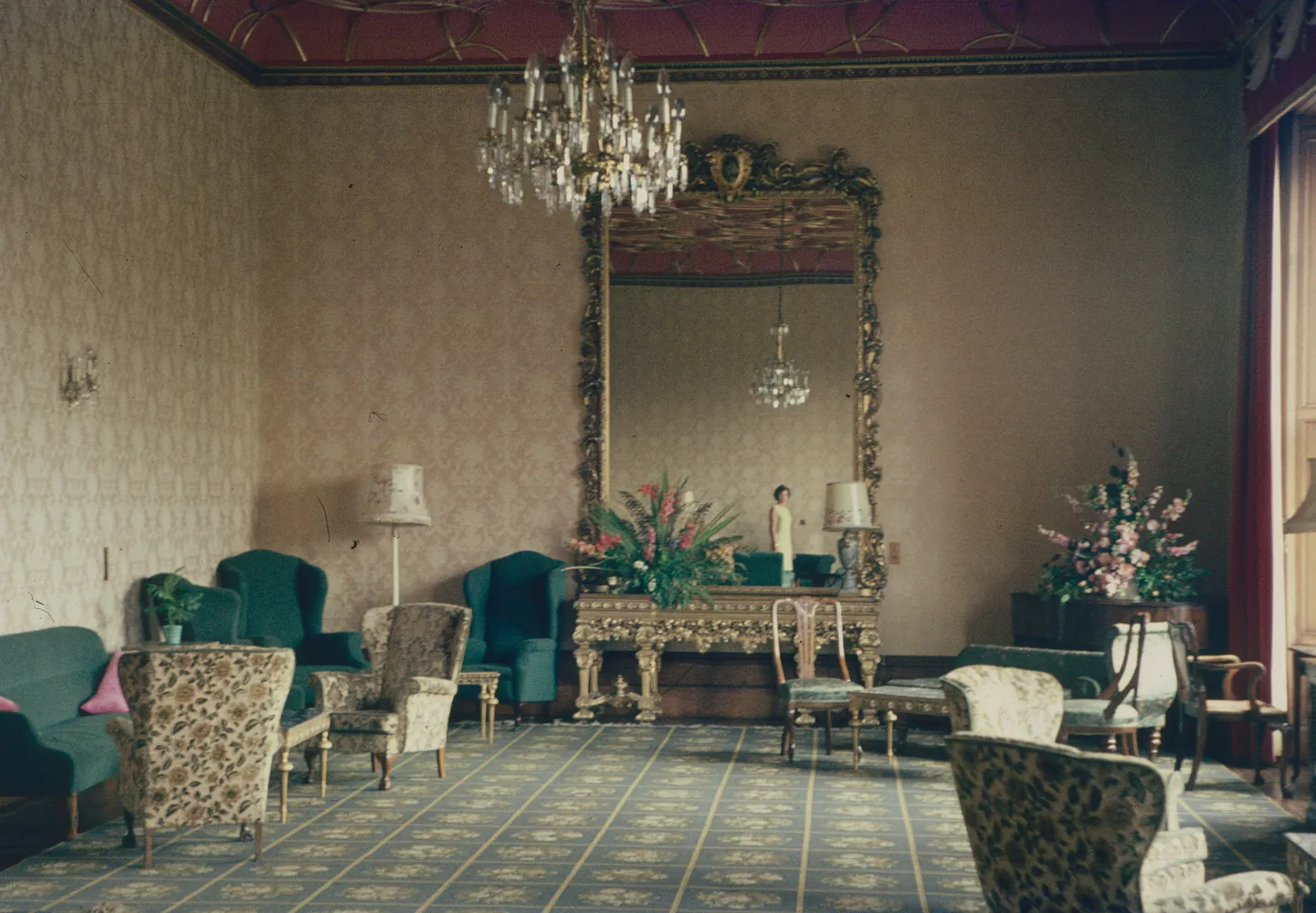
Select a standout vintage piece as a focal point within a room dominated by modern elements. For example, a mid-century sideboard or an ornate Victorian mirror can serve as an anchor amidst minimalist furniture.
- Tip: Choose items that are conversation starters yet blend seamlessly into the overall aesthetic of the room.
Balance Through Color and Texture
Use color schemes to bridge the gap between old and new. Neutrals like whites, grays, and browns work well in tying together disparate styles. Similarly, incorporating a variety of textures—such as a soft vintage rug against sleek modern seating—can add depth to a room.
- Tip: Avoid overwhelming the space by maintaining a cohesive palette that allows both styles to shine equally.
Layering Styles
Layering involves incorporating different elements in a way that feels intentional rather than haphazard. Consider layering vintage lighting fixtures over modern tables or placing contemporary art above antique consoles. This technique allows you to express personal taste without compromising the balance between the styles.
- Tip: Start with a base of modern pieces and gradually integrate vintage items as accents.
Avoiding Style Clashes
The key to avoiding clashes lies in restraint and intentionality. It’s important to respect the unique qualities of both styles while ensuring neither dominates the other.
Cohesion in Design
Cohesion can be achieved by ensuring there is a visual link between elements. This could be a recurring color motif, similar shapes, or complementary textures. For instance, if you have a vintage armchair with intricate woodwork, consider adding modern pieces with clean lines that echo the chair's silhouette or color scheme.
- Tip: Use repetition to create visual continuity throughout your space.
Edit Ruthlessly
Avoid the temptation to overdecorate. Too many conflicting elements can create visual noise rather than harmony. Regularly assess your space to ensure it remains balanced.
- Tip: Periodically remove items from the room to see how their absence affects the overall design; add back only what truly enhances the space.
Practical Tips for Implementation
For homeowners eager to experiment with this fusion of styles, here are some practical steps:
Sourcing Your Pieces
Finding the right pieces requires patience and sometimes serendipity. Thrift stores, flea markets, estate sales, and online marketplaces are treasure troves for unique vintage finds. For modern items, furniture showrooms or design expos offer inspiration and high-quality options.
- Tip: Keep a list of specific items you're seeking but stay open to unexpected finds that speak to you.
Cohesive Integration
Once you’ve gathered your pieces, consider their arrangement carefully. Allow modern designs to act as a canvas upon which vintage items add color and story. Create vignettes that tell a narrative—perhaps an old travel trunk becomes a coffee table surrounded by sleek seating arrangements.
- Tip: Use decorative objects sparingly to ensure each piece has breathing room to be appreciated individually and as part of the whole.
Conclusion: A Harmonious Blend
The beauty of merging modern aesthetics with vintage charm lies in its ability to create spaces that feel both grounded in history yet forward-looking. By considering balance, cohesion, and intention, you can craft interiors that are uniquely yours—a testament to both innovation and tradition.