Creating Emotional Ambiance: Evaluating Warm and Cool Color Choices in Design
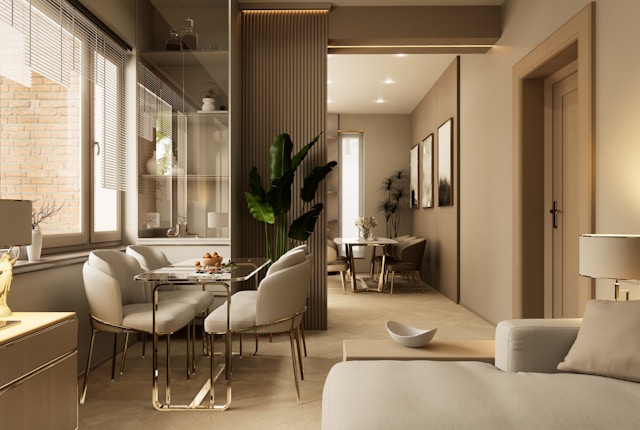
The Power of Color in Interior Design
Color is one of the most powerful tools in an interior designer's arsenal. It can influence mood, perception, and even behavior. Warm and cool colors, each with their distinct characteristics, play crucial roles in shaping the emotional ambiance of a space.
While warm colors like reds, oranges, and yellows can energize and invigorate a room, cool colors such as blues, greens, and purples can calm and soothe. Understanding when and how to use these colors effectively is key to creating spaces that not only look good but feel right.
Understanding Warm Colors
Emotional Impact of Warm Colors
Warm colors are associated with energy, passion, and excitement. They are often used to create a cozy, welcoming atmosphere. These colors tend to stimulate the senses, raise energy levels, and encourage social interactions.
For example, a kitchen painted in shades of orange or red can evoke a sense of warmth and excitement, making it an ideal space for gatherings and conversation. Similarly, a living room accented with warm hues can feel inviting and dynamic.
Pros and Cons of Warm Colors
- Pros: Creates a cozy, intimate atmosphere; encourages social interaction; can make large spaces feel more compact.
- Cons: Can be overwhelming if overused; may make small spaces feel cramped; can increase energy levels, which may not be suitable for relaxation.
Incorporating warm colors requires balance. Using these colors in moderation as accents can help avoid overstimulation while still reaping their energetic benefits.
Case Study: Cozy Café Vibes
Consider a local café looking to attract customers seeking comfort and conversation. By using a warm color palette featuring shades of amber and ochre on the walls and textiles, the owners created a space that feels inviting yet stimulating. The choice of warm lighting further enhanced this effect, encouraging longer stays and more lively interactions among patrons.
Exploring Cool Colors
Emotional Impact of Cool Colors
Cool colors are linked to tranquility, peace, and serenity. They have a calming effect on the mind, making them perfect for spaces intended for relaxation or concentration.
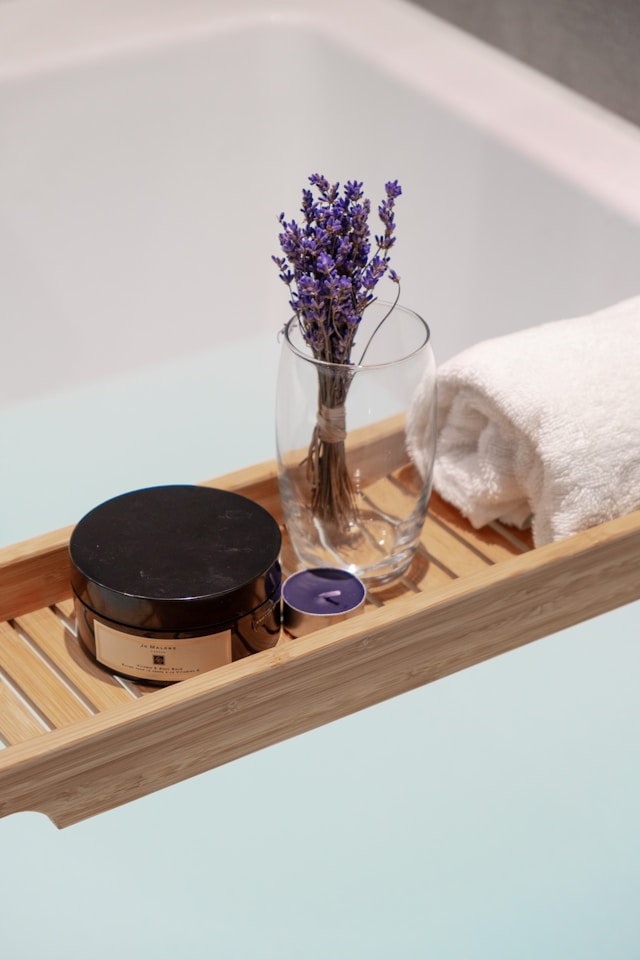
Bedrooms and bathrooms often benefit from cool color schemes. For instance, soft blues or mint greens can transform these spaces into restful retreats where stress fades away.
Pros and Cons of Cool Colors
- Pros: Promotes relaxation; enlarges the perception of space; reduces stress.
- Cons: Can feel cold or unwelcoming if overused; may lack the vibrancy needed for social spaces; can be perceived as distant or aloof.
The key to using cool colors effectively lies in layering textures and incorporating warm elements through furniture or accessories to avoid an overly sterile environment.
Case Study: Spa Serenity
An urban spa sought to provide clients with an escape from the hustle and bustle. By utilizing a palette dominated by soft blues, pale greys, and whites, they achieved an ambiance that fosters relaxation and rejuvenation. The addition of natural elements like wooden fixtures and greenery softened the overall look, ensuring the space felt inviting rather than clinical.
Choosing the Right Color Scheme for Your Space
Functionality Considerations
The function of a room should heavily influence its color scheme. In spaces meant for activity or gathering—such as kitchens or dining rooms—warm colors might be more appropriate. Conversely, bedrooms or offices might benefit from the calming influence of cool tones.
For example, if you are renovating a home office that demands focus and creativity, incorporating cool tones with strategic pops of warmer hues could strike the perfect balance.
Lighting Matters
Lighting significantly affects how colors appear in a space. Natural light tends to enhance cool tones, while artificial lighting can intensify warm colors. Understanding these interactions will help you choose colors that maintain their desired effect throughout different times of day.
A practical tip is to observe your chosen paint samples in different lighting conditions before committing fully.
Personal Preference
No design choice should ignore personal taste. If certain colors make you feel good despite traditional design rules, it's essential to incorporate them into your space meaningfully.
Your personal history with color is unique. Perhaps green walls remind you of childhood forests or a red accent wall boosts your morning energy—let these associations guide your choices.
Combining Warm and Cool Colors: A Balanced Approach
The Art of Contrast
A well-balanced interior often incorporates both warm and cool colors to create depth and interest. Contrasting these palettes adds dimension to a room and prevents monotony.
Consider a living room that uses a predominantly cool color scheme with warm accents such as burnt orange throw pillows or a brass lamp. This contrast introduces warmth without overshadowing the serene base palette.
Workflow for Successful Color Integration
- Assess the Space: Begin by evaluating the size, natural lighting, and function of the room.
- Select a Base Palette: Decide whether the room should primarily convey energy or calmness based on its purpose.
- Add Accents: Choose complementary colors from the opposite palette to add interest and contrast.
- Test Samples: Use paint samples or fabric swatches to see how these choices interact with existing elements under various lighting conditions.
Conclusion: Creating Your Emotional Ambiance
The choice between warm and cool color schemes is not simply about aesthetics but about crafting environments that align with desired emotional outcomes. Whether you're designing a lively social hub or a peaceful sanctuary, understanding the psychological impacts of color will empower you to make informed decisions that reflect both function and feeling.
Ultimately, successful interior design integrates thoughtful color choices with personal style and practical needs, resulting in spaces that resonate emotionally with their inhabitants.