Combining Style and Utility in Your Compact Home Environment
Understanding the Challenges of Small Spaces
Living in a compact home environment can be both a blessing and a challenge. On one hand, it encourages you to minimize clutter and focus on essential items. On the other, it requires creative solutions to make every square foot count. The key to mastering small space living is to blend style with utility, ensuring that your home remains both beautiful and functional.
Strategic Furniture Selection
Multi-functional Furniture
One of the most effective strategies in a compact home is investing in multi-functional furniture. Items that serve more than one purpose help maximize your space. Consider a sofa bed that transforms from a cozy seating area by day into a comfortable sleeping spot by night. Similarly, an extendable dining table can accommodate extra guests when needed but remain compact during daily use.
Vertical Storage Solutions
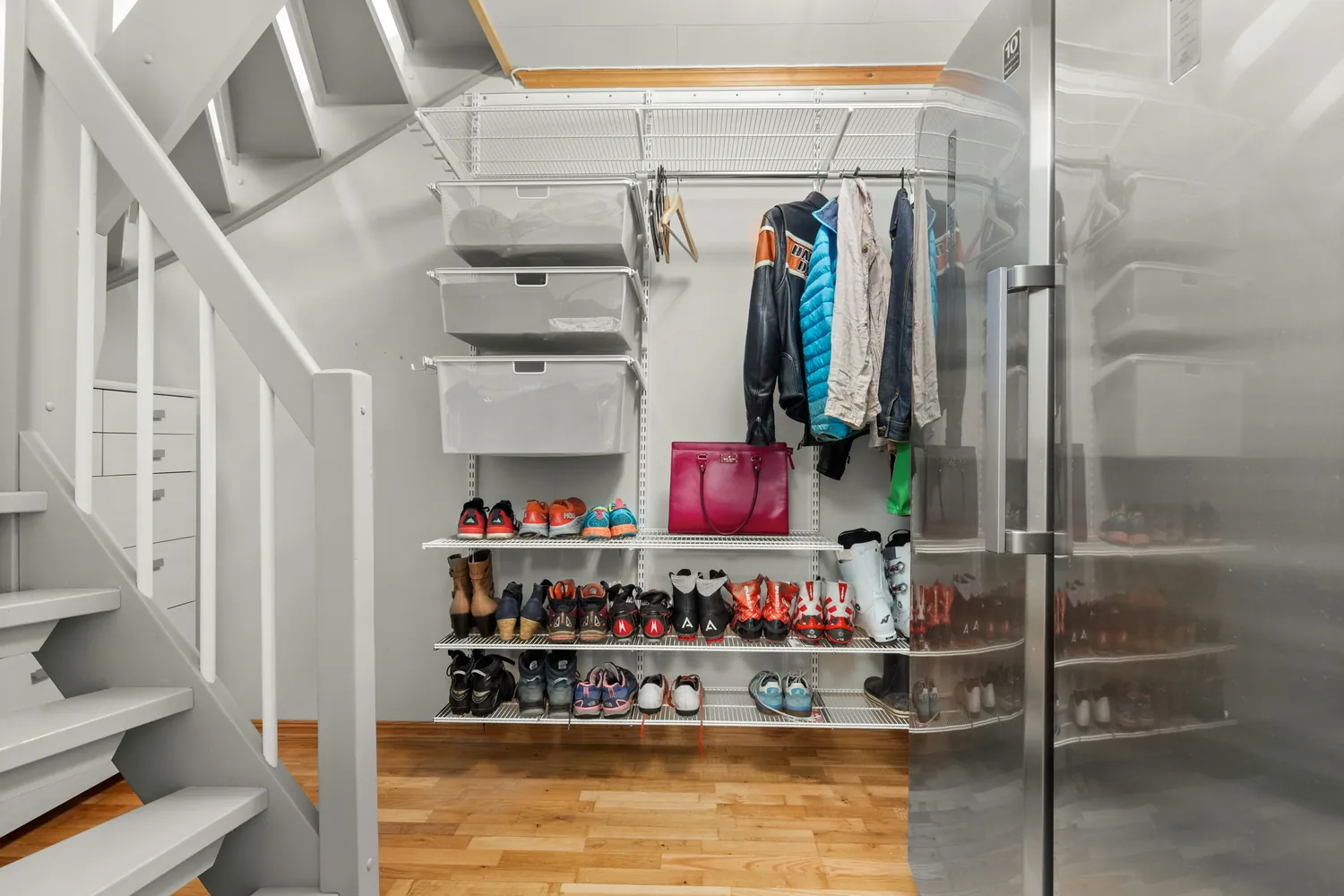
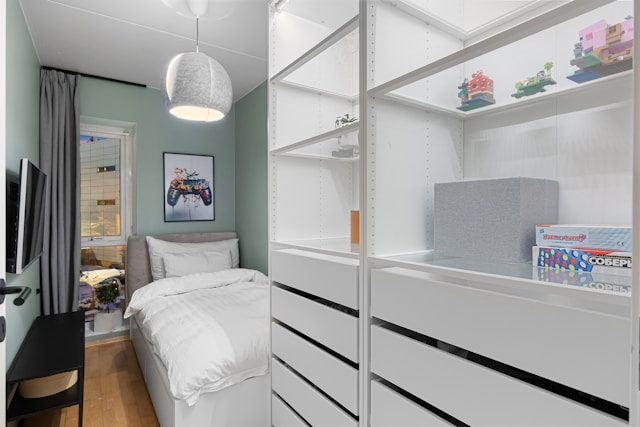
When floor space is limited, look upwards. Vertical storage solutions like tall bookshelves, wall-mounted cabinets, and hanging racks can significantly increase your storage capacity without taking up precious floor space. For instance, a wall-mounted desk can provide a functional workspace while freeing up room for other activities when folded away.
- Install shelves above door frames for storing seasonal items.
- Use pegboards in the kitchen to hang utensils and cookware.
Custom-Built Furniture
Investing in custom-built furniture can be particularly beneficial in small spaces where awkward corners or unusual dimensions exist. A custom-made piece can fit perfectly into your space, offering a bespoke solution that standard furniture may not provide. For example, a built-in banquette in the dining area can offer storage below the seating while creating a cozy nook for meals.
Optimizing Layout for Flow and Functionality
Open Plan Concepts
Where feasible, consider an open plan layout that merges multiple functional areas into one larger space. This approach can make your home feel more spacious and less confined. By eliminating unnecessary walls, you allow light to travel freely, enhancing the perception of space. Arrange furniture thoughtfully to delineate different zones within the open space without disrupting flow.
Define Zones with Rugs and Lighting
Defining zones with rugs and lighting can help maintain order and separation within an open layout. A strategically placed rug under the coffee table can set apart the living area from the dining section. Meanwhile, pendant lights over the kitchen island can create an attractive focal point and demarcate the cooking space.
Color and Lighting Techniques
Light Colors to Enhance Space
The choice of color plays a significant role in how large or small a space feels. Light colors such as whites, pastels, and soft neutrals can make a room appear larger and more inviting by reflecting more light. Use these hues on walls and ceilings to enhance the feeling of openness.
Creative Use of Mirrors
Mirrors are an excellent tool for making any space feel larger. By reflecting light and creating the illusion of depth, they can dramatically increase the perceived size of a room. Position mirrors opposite windows or next to lighting fixtures for maximum effect.
- Consider mirrored closet doors to add functionality and style.
- A large mirror over the fireplace can act as a centerpiece while opening up the room.
Sustainable and Smart Choices
Sustainable Materials
Opting for sustainable materials not only benefits the environment but also adds unique texture and character to your interiors. Reclaimed wood for flooring or furniture pieces can add warmth and charm, while recycled metal or glass fixtures can bring a modern edge.
Smart Home Technology
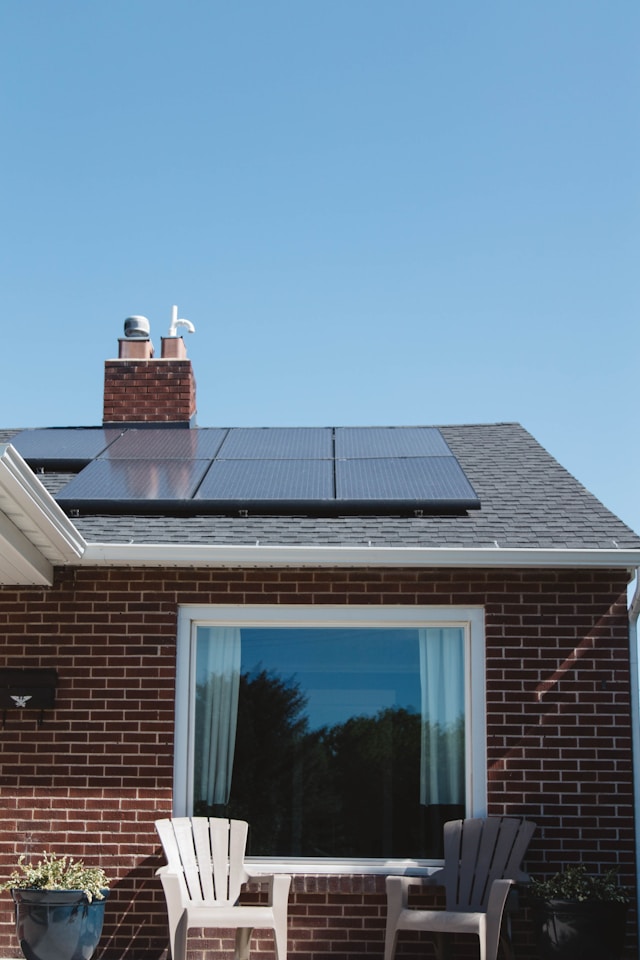
Incorporating smart home technology can improve both the functionality and efficiency of your compact living environment. Smart thermostats, lighting systems, and security devices can be controlled remotely to enhance convenience and save energy. These technologies also often have sleek designs that complement modern aesthetics.
The Balance Between Aesthetics and Functionality
Ultimately, achieving the right balance between aesthetics and functionality in a compact home requires intentional planning and thoughtful choices. By focusing on multi-functional furniture, optimizing layouts, utilizing color and lighting effectively, and embracing sustainability, you can transform even the smallest spaces into stylish and highly functional homes.