Color Schemes That Impact Mood: Strategies for Living Room Design
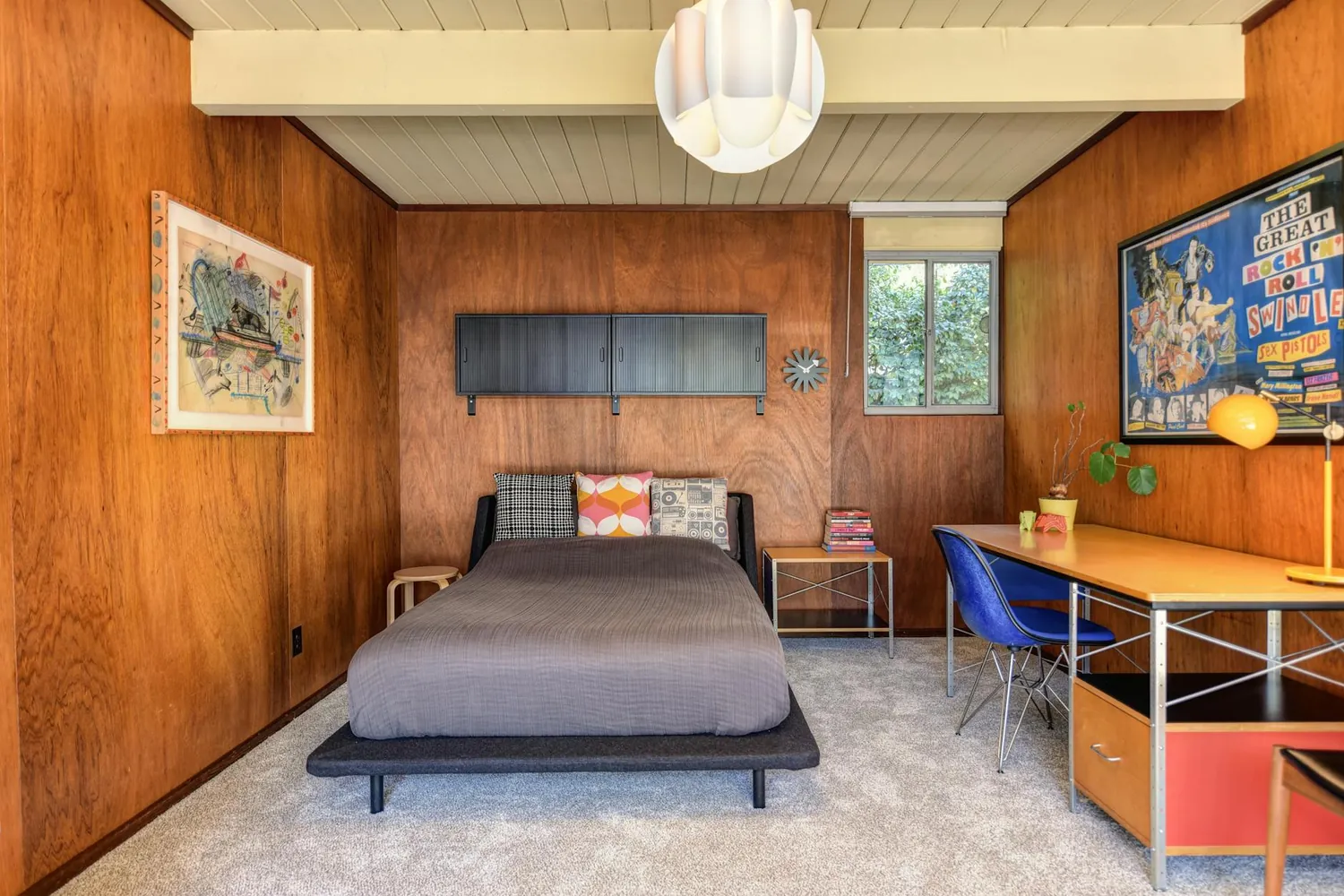
The Psychology of Color
Color psychology is a powerful tool in interior design, influencing emotions, behaviors, and perceptions within a space. Understanding the psychological effects of different colors can help create environments that promote relaxation, stimulation, or social interaction, depending on your living room's function.
How Colors Influence Mood
Colors have the ability to evoke certain feelings and moods. For instance, warm colors like red and orange can energize a space and encourage socialization, while cool colors such as blue and green are calming and promote relaxation. Neutral colors, meanwhile, often provide a sense of balance and sophistication.
- Red: Known for its ability to increase energy levels and stimulate conversation. Best used as an accent color.
- Blue: Promotes tranquility and calmness. Ideal for creating a serene environment.
- Yellow: Evokes happiness and optimism, making it great for brightening up spaces.
- Green: Symbolizes growth and renewal. A versatile choice for creating a balanced atmosphere.
- Gray: Offers a neutral backdrop that complements brighter accents and lends elegance to a space.
Creating a Balanced Living Room
When designing a living room, it's crucial to select a color scheme that aligns with the intended mood of the space. Here’s how you can strategically choose and combine colors to create a harmonious environment.
Choosing a Base Color
Your base color should set the overall tone of the room. Opt for a shade that reflects the primary emotion you want to evoke. For a relaxing retreat, consider shades of blue or green. If you prefer a more dynamic setting, try incorporating warmer hues like yellow or orange.
Adding Accent Colors
Accent colors add depth and interest to your living room. These can be introduced through furniture, artwork, or decorative items. Consider using bold shades like red or deep purple sparingly to enhance certain elements without overwhelming the space.
The 60-30-10 Rule
This timeless rule is essential in creating balanced color schemes. Use your primary color for 60% of the room (walls, large pieces of furniture), your secondary color for 30% (upholstery, textiles), and your accent color for 10% (decorative items).
Practical Tips for Applying Color Theory
Implementing color theory into your living room design doesn’t have to be daunting. Here are some practical steps to guide you:
Sample Swatches and Test Paints
Before committing to a color scheme, test different swatches on your walls. Observe how they look under various lighting conditions throughout the day to ensure they match your vision.
Consider Natural Lighting
The amount and direction of natural light significantly impact how colors appear. Rooms with ample sunlight can handle cooler tones without feeling cold, whereas dimly lit rooms benefit from warmer shades that add coziness.
Use Online Tools
Leverage technology by using online color palette generators that suggest complementary colors based on a single hue. This can simplify the decision-making process and inspire creative combinations you might not have considered.
Case Study: Transforming Your Space
Let's explore how one could transform a typical living room using these principles:
A Calm Retreat
A couple wishes to transform their busy home’s living room into a peaceful retreat. They select soft blues as their primary color for walls and major furniture pieces. Accents of creamy whites appear in cushions and curtains, while subtle touches of mint green, found in vases and artwork, provide a fresh contrast.
A Vibrant Gathering Spot
A lively family aims to create a vibrant space for social gatherings. They choose warm beige as their base to maintain neutrality, with mustard yellow accents in throws and rugs to invigorate the space. Pops of teal, used in decorative bowls and wall art, complete the energetic yet balanced look.
The Trade-Offs of Color Selection
Selecting colors involves trade-offs between personal preferences, design trends, and practicality. Here are some considerations:
- Trend vs. Timeless: While trendy colors can refresh a space, opting for timeless hues may offer more longevity.
- Personal Preference: Ultimately, your emotional response to colors should guide your choices, even if it means diverging from conventional wisdom.
- Maintenance: Lighter colors might show dirt more easily but can make small spaces appear larger.
The key is finding a balance that suits both your lifestyle and aesthetic goals.
Conclusion
The art of selecting color schemes in interior design is both nuanced and deeply personal. By understanding the psychological impact of colors and applying strategic design principles, you can transform your living room into a space that truly reflects your desired mood and function.