Balancing Openness and Functionality: Smart Design Strategies for Homes
Understanding the Appeal of Open Spaces
Open spaces in homes have become increasingly popular over the past few decades. The appeal lies in the seamless flow they create, allowing natural light to fill the rooms while offering a flexible layout that can adapt to various lifestyles. However, the challenge remains in maintaining this openness while ensuring that each area within the open space retains its functionality.
Effective Zoning Techniques
Zoning is crucial when it comes to balancing openness with functionality. It involves strategically dividing an open area into distinct zones that serve different purposes without erecting permanent barriers. Here are some practical strategies to achieve effective zoning:
- Use of Furniture: Large pieces like couches or bookcases can define boundaries within an open space. For instance, a couch facing away from the dining area can naturally demarcate the living room from the dining section.
- Rugs: Placing rugs under a dining table or seating area not only adds texture but also visually separates different zones.
- Lighting Variations: Using different types of lighting fixtures, such as pendant lights for a kitchen island and floor lamps for a reading nook, can help define separate areas.
A Practical Scenario: The Open-Plan Living-Dining Area
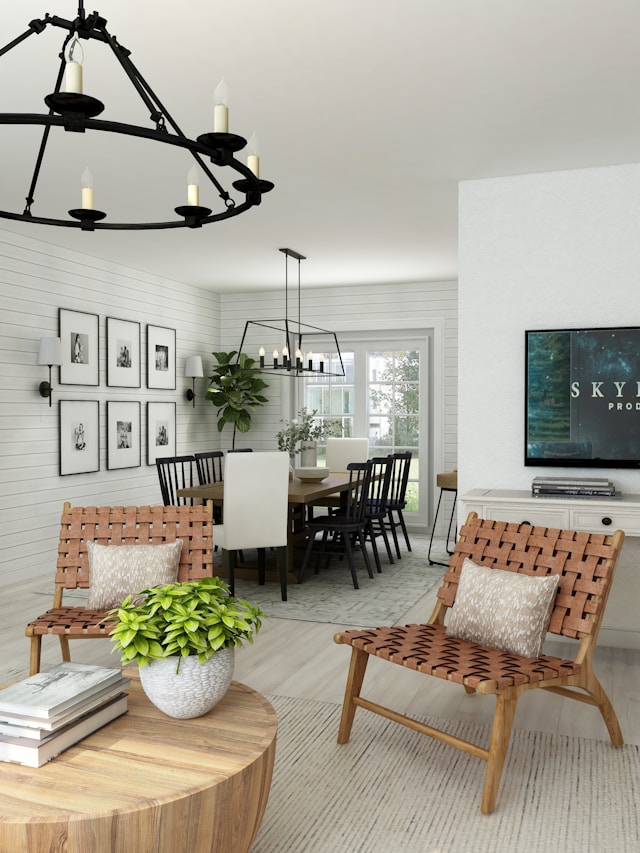
Consider a typical open-plan living-dining area. To create functional zones, you might start by positioning your dining table near windows to leverage natural light during meal times. Use a pendant lamp above the table to further define this space. On the opposite side, arrange sofas and chairs to create a cozy conversation area. You can add a large rug under this arrangement to ground the living zone.
Decorative Elements and Their Impact
The decor you choose can significantly influence how space is perceived and used. Smart decor choices can enhance functionality without sacrificing style or openness.
Decorative Screens and Partitions
While open spaces discourage solid walls, decorative screens or shelving units can offer privacy and separation when needed. These elements can be moved or adjusted based on your needs, making them versatile solutions for temporary zoning.
Color Schemes
Color plays a pivotal role in space perception. Using lighter colors can make spaces feel more expansive, whereas darker hues can create an intimate setting. Consider using consistent color palettes across zones to maintain visual continuity while allowing subtle changes to define different areas.
Balancing Aesthetics with Functionality
The key to successful interior design in open spaces is balancing aesthetics with functionality. Here are some tips to ensure that your home remains both beautiful and practical:
- Select Multi-Functional Furniture: Opt for pieces like storage ottomans or extendable tables that provide utility while blending with your decor.
- Consider Built-Ins: Custom-built shelving or cabinetry can provide storage without encroaching on space, maintaining an uncluttered look.
A Workflow for Planning Your Open Space
- Assess your needs: Determine what functions each zone should serve based on your lifestyle.
- Create a layout: Sketch potential layouts or use design software to visualize the space.
- Select core furniture: Choose key pieces that will define each zone.
- Add layers: Incorporate rugs, lighting, and decor elements to enhance zoning.
- Test and adjust: Live in the space and be willing to rearrange if certain areas aren’t functioning as expected.
Conclusion
Designing open spaces requires thoughtful consideration of both functionality and aesthetics. By employing smart zoning techniques and making strategic decor choices, you can create a home that feels both spacious and purposeful. Remember, the goal is not only to maintain an open feel but also to ensure that every inch of your space serves its intended purpose effectively.