
evaluating when to choose manual tools over electric ones for projects
The Timeless Appeal of Manual Tools
When embarking on a home improvement project, the decision between using manual or electric tools can often be pivotal. Manual tools, like hand saws, hammers, and screwdrivers, have been around for centuries. They have an enduring appeal due to their simplicity and reliability. Let's delve into the specific benefits they offer and how they can sometimes outshine their electric counterparts.
- Control and Precision: Manual tools allow for a level of control that is sometimes unmatched by electric tools. For example, when working on intricate woodworking projects or delicate trim work, a hand plane can offer more precision than an electric planer.
- Cost-Effectiveness: Generally, manual tools are less expensive than electric tools. This can be an essential factor for DIY enthusiasts working within a tight budget or tackling smaller projects.
- Portability and Accessibility: Without the need for power outlets or batteries, manual tools can be used anywhere, making them ideal for outdoor projects or areas with limited access to electricity.
- Noise Levels: Manual tools operate quietly, which can be crucial if you're working in a residential area or during hours when noise should be minimized.
Scenarios Where Manual Tools Excel
Manual tools often shine in projects that require fine craftsmanship or involve soft materials. For instance, a manual drill, also known as a brace, can be particularly useful in historic restorations where the use of power tools might damage fragile structures.
Additionally, manual sanding blocks provide more tactile feedback and control compared to power sanders when working on surfaces that require a high degree of finish. The gentle nature of manual sanding helps to avoid removing excessive material, preserving the integrity of the project.
The Efficiency of Electric Tools
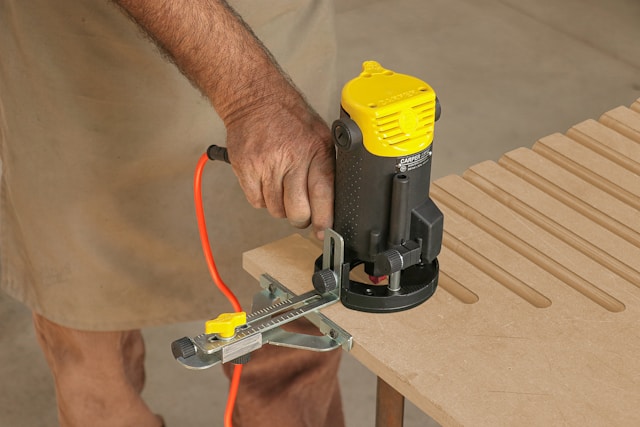
Electric tools, on the other hand, are known for their efficiency and speed. They are indispensable for larger projects where time is of the essence. With innovations continuously improving their capabilities, let’s explore what makes electric tools a formidable choice for many tasks.
- Speed and Power: Electric tools such as drills and circular saws deliver faster performance than manual counterparts, making them essential for tasks that demand quick completion.
- Consistency: With settings that ensure uniformity in tasks like drilling and sawing, electric tools are perfect for repetitive tasks where consistency is crucial.
- Ease of Use: For beginners, electric tools often simplify complex jobs. For example, using an electric screwdriver requires less physical effort than driving screws manually.
- Diverse Functions: Many electric tools come with multiple attachments and settings, offering greater versatility than single-purpose manual tools.
Projects Best Suited for Electric Tools
Large-scale construction projects or extensive renovations often benefit from electric tools due to their ability to handle heavy-duty tasks quickly. For example, building a deck or constructing framework within a short timeframe would be cumbersome with only manual tools.
Additionally, when precision is needed over large areas—such as tiling or flooring—electric tile cutters and saws can ensure clean cuts consistently, reducing the chance of errors that manual tools might introduce over long durations.
A Practical Guide: Choosing the Right Tool
Assessing Project Requirements
Begin by assessing the specific needs of your project. Consider factors such as the scale of the job, the type of materials involved, and the level of precision required. For instance, if you’re assembling furniture kits at home, a combination of manual screwdrivers and a battery-powered drill might offer the best balance between control and speed.
Budget Considerations
Your budget will also play a significant role in determining whether to invest in manual or electric tools. If funds are limited and the project is small-scale, prioritizing quality manual tools may be more economical. Conversely, if future projects will likely demand higher efficiency, investing in key electric tools could be worthwhile.
Skill Level and Comfort
If you’re new to home improvement projects, consider starting with manual tools to develop foundational skills without the intimidation factor of handling powerful machinery. As you gain confidence and competence, gradually incorporating electric tools can streamline your process and expand your capabilities.
Creating Your Toolkit
Balancing your toolkit with both manual and electric options can provide flexibility across various types of projects. Here's a basic checklist to get started:
- Manual Toolkit Essentials:
- Hammer
- Screwdriver set
- Handsaw
- Pliers
- Tape measure
- Electric Toolkit Essentials:
- Cordless drill
- Circular saw
- Electric sander
- Jigsaw
- Soldering iron (for electronics repair)
This combination allows for tackling a wide array of tasks—from simple repairs to complex constructions—offering both precision and efficiency where needed.
Conclusion: Striking the Right Balance
The decision between manual versus electric tools is rarely about choosing one over the other entirely but rather understanding where each excels within your specific context. By carefully evaluating your project’s demands alongside personal skill levels and budget constraints, you can ensure that your chosen tool not only fits the task at hand but also enhances your overall home improvement experience.