Essential Gear for Tackling Various DIY Home Projects Effectively
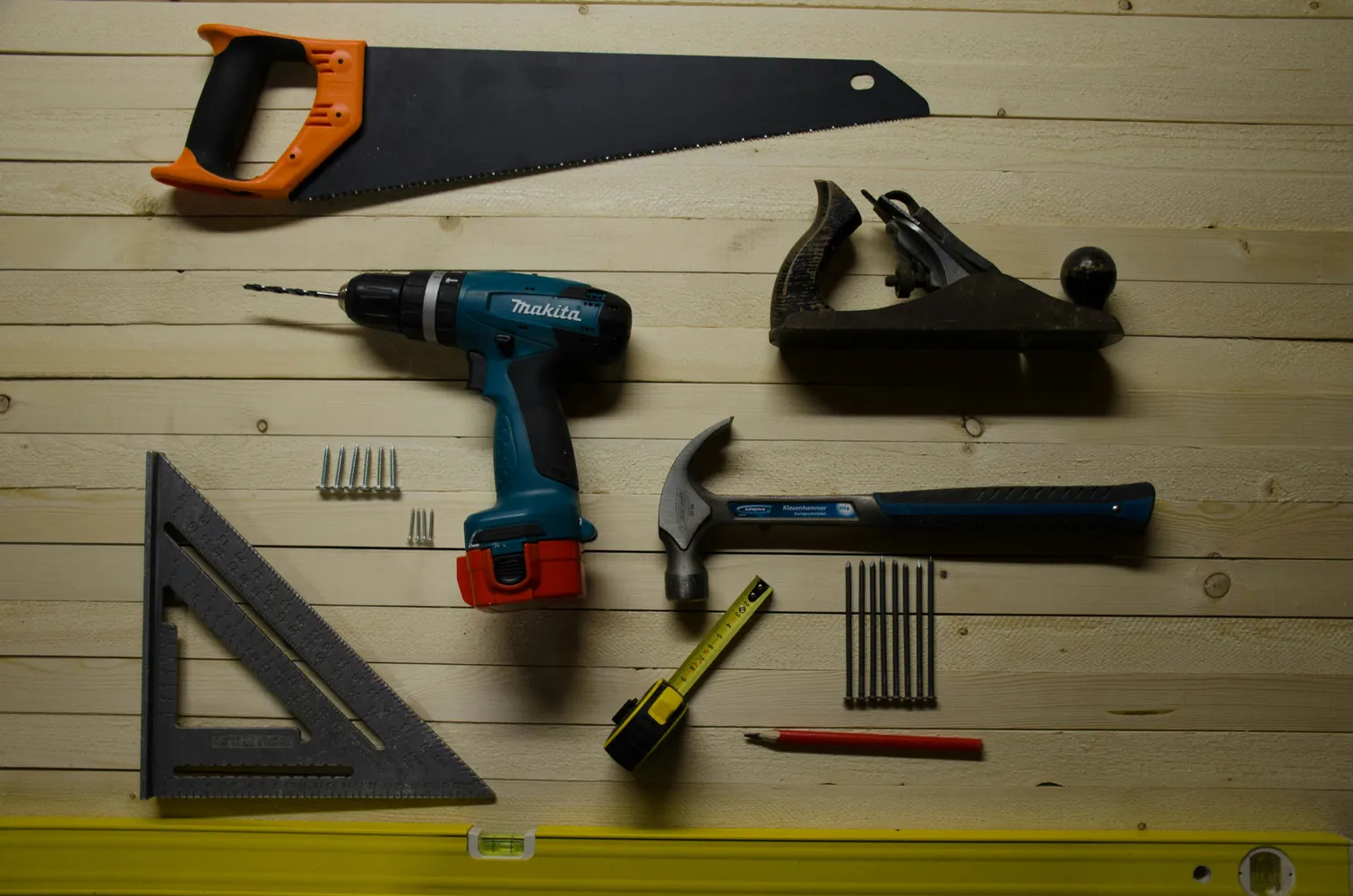
Choosing the Right Tools for Your DIY Projects
Embarking on a home improvement journey can be both exciting and daunting, but having the right tools can make all the difference. Whether you're fixing a leaky faucet or renovating an entire room, equipping yourself with the essential gear is crucial for achieving efficient and effective results.
This guide explores the key tools required for various home improvement tasks, organized by project type. We'll delve into how to select the most suitable tools for your specific needs and provide tips on maintaining them to ensure longevity and reliability.
Basic Tools for Everyday Repairs
Every homeowner should have a set of basic tools ready to tackle everyday repairs. These tools form the foundation of your toolkit and will come in handy for small fixes and adjustments around the house.
- Hammer: A versatile tool for driving nails, removing them, or performing minor demolition tasks.
- Screwdriver Set: Include both flathead and Phillips-head screwdrivers in various sizes to handle different screws.
- Measuring Tape: Essential for accurate measurements, ensuring precision in your projects.
- Adjustable Wrench: Ideal for loosening or tightening nuts and bolts of various sizes.
- Pliers: Use them for gripping, twisting, and cutting wires.
Tip: Investing in good quality basic tools can prevent frustrations down the line. Look for ergonomic handles and durable materials for long-term use.
Tools for Painting and Decorating
If you're planning to refresh your living space with new colors or patterns, having the right painting tools is vital. These tools help achieve a professional finish while minimizing mess and waste.
- Paintbrushes: A selection of brushes in different sizes is needed for precision work and larger surfaces.
- Rollers: Perfect for covering large areas quickly. Consider using different nap lengths depending on the surface texture.
- Painter's Tape: Protects areas you don't want to paint and helps create clean edges.
- Paint Tray: A necessary accessory for efficiently loading paint onto your rollers.
Pro Tip: Choose high-quality painter's tape to prevent bleeding and peeling when removed.
Pros and Cons of Painting Techniques
Two popular approaches to painting are using brushes and rollers. Each has its advantages and disadvantages depending on the application:
- Brushes: Offer more control and are ideal for detailed work or edges. However, they can be time-consuming for large surfaces.
- Rollers: Cover large areas quickly and evenly, but might miss intricate details that brushes can handle well.
Consider using a combination of both techniques to achieve the best results in your painting projects.
Power Tools for Advanced Renovations
When it comes to more advanced renovations, power tools significantly enhance productivity and precision. Here are some power tools you might consider:
- Cordless Drill: Indispensable for drilling holes and driving screws. Opt for models with adjustable torque settings for better control.
- Circular Saw: Essential for cutting lumber and other materials accurately. Cordless options offer flexibility, while corded models provide more power.
- Miter Saw: Perfect for making precise crosscuts at various angles. Great for projects like trim work or furniture building.
Maintenance Advice: Regularly check blades and bits for sharpness, as dull tools can reduce efficiency and pose safety risks.
The Debate: Cordless vs. Corded Power Tools
The choice between cordless and corded power tools often depends on the project scale and site conditions:
- Cordless Tools: Provide mobility and ease of use without being tethered to a power outlet. Ideal for jobs that require frequent movement or in hard-to-reach areas. However, battery life can be a limiting factor.
- Corded Tools: Offer consistent power output without worrying about battery depletion. They are typically lighter due to the lack of a battery pack but require access to a power source at all times.
For larger renovation projects, a mix of both types could offer the most flexibility, using cordless tools where agility is needed and corded tools where constant power is paramount.
Safety Equipment: Protecting Yourself During Projects
No matter the scope of your project, safety should always be a top priority. Equip yourself with the following safety gear:
- Safety Glasses: Protect your eyes from dust, debris, and chemical splashes.
- Work Gloves: Prevent cuts, scrapes, and exposure to harmful substances.
- Dust Mask/Respirator: Essential when sanding, painting, or working with materials that generate dust or fumes.
Having the right safety equipment is as important as having the right tools. Neglecting safety can result in injuries that could easily have been avoided.
Conclusion: Building Your Toolkit Over Time
Your toolkit doesn't need to be complete from day one; it can evolve as you take on different projects. Start with essential tools tailored to your initial tasks, then expand as you gain experience and undertake more complex projects. Keep an eye on sales or second-hand opportunities to build your collection cost-effectively.
By understanding your project requirements and investing wisely in quality tools, you'll find yourself well-equipped to tackle any home improvement challenge that comes your way, paving the path for more rewarding DIY experiences.