Understanding the Benefits of Strategic Architectural Features for Energy Savings
The Role of Architectural Features in Energy Efficiency
As homeowners increasingly seek ways to reduce energy consumption and costs, the strategic placement of architectural features such as windows and overhangs becomes crucial. These elements can harness natural light and heat, contributing to a home's passive solar design, which reduces reliance on artificial heating and lighting.
What is Passive Solar Design?
Passive solar design is a technique that uses sunlight to naturally heat and light a building. Unlike active solar systems that rely on mechanical equipment, passive solar relies on the architecture itself to manage solar energy. This approach involves optimizing the building's orientation, selecting appropriate materials, and designing strategic architectural features.
Strategically Placed Windows: A Key Component
The orientation and placement of windows are critical in capturing or deflecting solar energy. South-facing windows are ideal in the Northern Hemisphere for maximizing solar gain during winter while minimizing it in summer.
Designing Window Placement
To optimize window placement, consider the following steps:
- Orientation: Position most windows on the south side to maximize sunlight during colder months.
- Shading Devices: Use overhangs or awnings to prevent excessive heat during summer.
- Glazing Options: Choose double or triple glazing to enhance insulation.
These considerations ensure that windows contribute positively to a home's thermal environment.
The Power of Overhangs
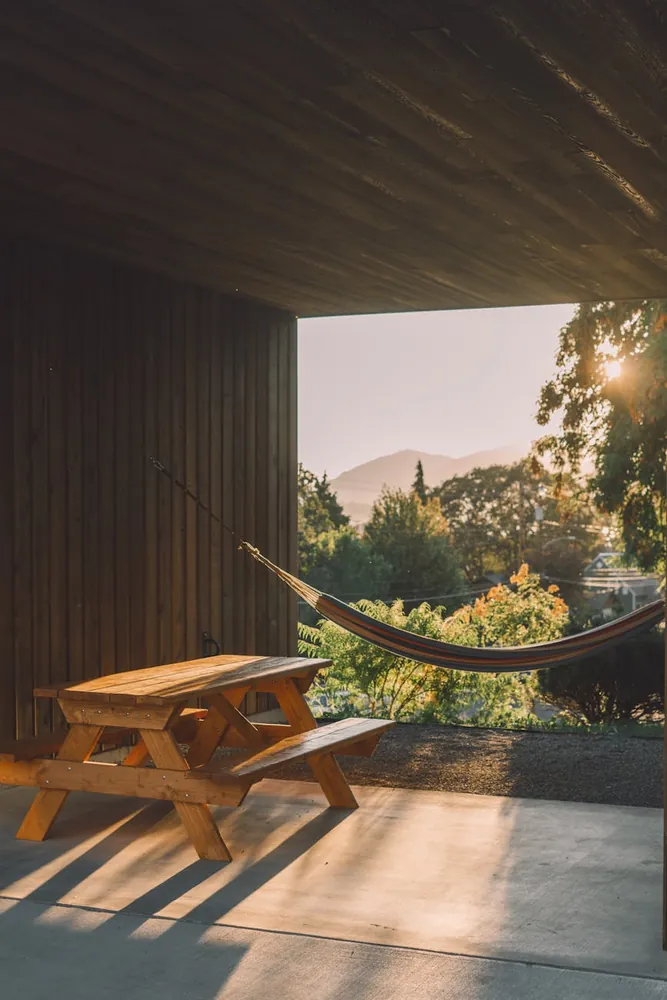
Overhangs are projections extending from the roof, which play an essential role in controlling the amount of sunlight entering a home. They provide shade in summer while allowing sunlight during winter when the sun is lower in the sky.
Designing Effective Overhangs
The effectiveness of overhangs depends on their size and angle. Follow these guidelines for optimal results:
- Calculate Sun Angles: Consider the sun’s angle throughout the year to determine overhang dimensions.
- Adjustable Systems: Implement adjustable louvers for flexibility in different seasons.
- Aesthetic Integration: Ensure that overhangs complement your home’s design without compromising functionality.
These strategies make overhangs a simple yet powerful tool in passive solar design.
Real-World Examples of Passive Solar Design
Several homes have successfully integrated these features with remarkable energy savings.
Cape Cod Home in Massachusetts
This home uses large south-facing windows paired with insulated shades to capture winter sunlight effectively. The overhangs are designed precisely to block high summer sun but allow lower winter sun, cutting heating costs by nearly 25%.
Desert Home in Arizona
In Arizona, a home employs deep overhangs and high-performance glazing to cope with intense sunlight. The strategic design results in reduced air conditioning use by up to 30% annually.
Mini-Framework for Implementing Passive Solar Features
This mini-framework can guide you through designing energy-efficient features for your home:
- Assessment: Evaluate your home’s current orientation and climate conditions.
- Planning: Draft potential improvements like window placements and overhang designs, using simulation software if possible.
- Implementation: Work with architects or builders familiar with passive solar principles to execute designs.
- Evaluation: Monitor energy usage pre-and post-implementation to gauge effectiveness.
This approach ensures thoughtful planning and execution, maximizing your home's energy efficiency potential.
The Future of Energy-Efficient Homes
The integration of strategic architectural features is not just a trend but a necessity in sustainable building design. As energy costs rise and environmental concerns grow, homeowners can play a significant role in conservation efforts by employing these techniques.
The combination of strategic window placement and effective use of overhangs offers a practical solution for those looking to reduce their energy footprint. By understanding and applying these principles, homeowners can enjoy increased comfort and lower energy bills, all while contributing positively to environmental sustainability.