How to Choose the Best Low-Cost Solar Solutions for Your Home
Exploring Budget-Friendly Solar Panel Options
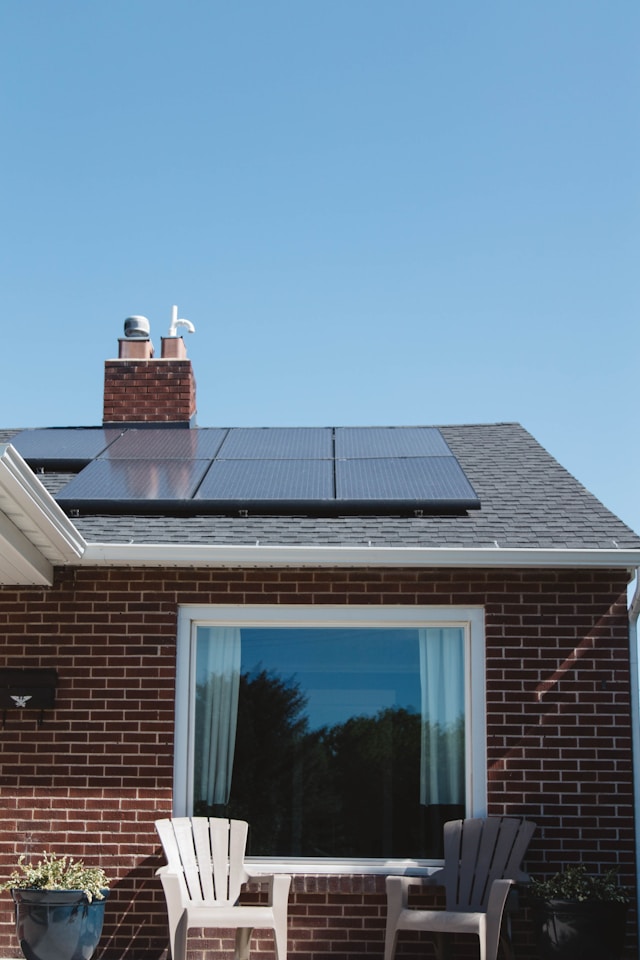
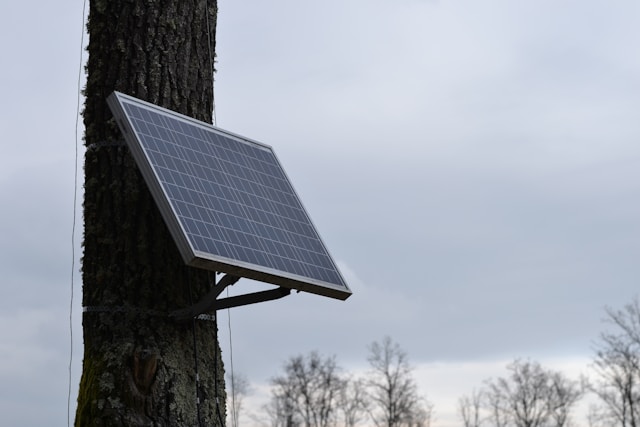
Adopting solar technology at home can be a transformative step towards reducing energy bills and minimizing your carbon footprint. However, the initial investment can be daunting. Luckily, there are budget-friendly solar panel solutions available that can significantly lower your upfront costs while still providing substantial savings in the long run. This article delves into these low-cost options, offering practical insights into installation, leveraging government incentives, and evaluating potential savings.
Types of Low-Cost Solar Panels
When considering budget-friendly solar panels, it's essential to understand the different types available. Each type offers unique benefits and considerations, which can influence your decision based on specific needs and budget constraints.
Monocrystalline Solar Panels
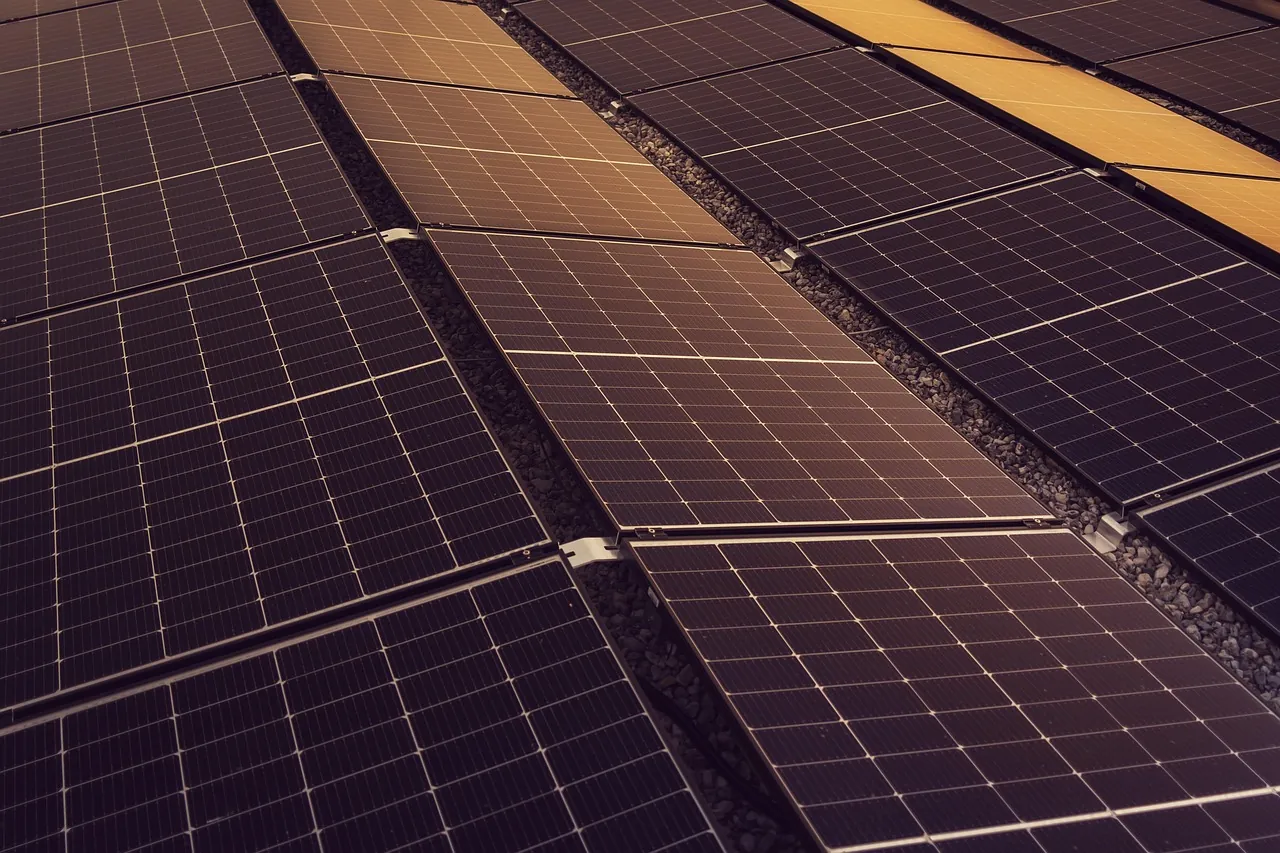
Monocrystalline panels are known for their high efficiency and long lifespan. They are made from single-crystal silicon, giving them a sleek black appearance. While traditionally more expensive, the prices have decreased, making them a viable option for those seeking high efficiency on a budget. Pros include:
- High efficiency rates (15-20%)
- Durable and long-lasting
- Require less space compared to other types
The main con is their higher cost compared to polycrystalline panels. However, this is offset by their efficiency and space-saving advantages, particularly beneficial for homes with limited roof space.
Polycrystalline Solar Panels
These panels are made from silicon fragments melted together and tend to have a blue hue. They are less efficient than monocrystalline but are often cheaper, making them a popular choice for budget-conscious homeowners.
- Lower cost due to simpler manufacturing process
- Decent efficiency levels (13-16%)
The downsides include lower efficiency and potentially requiring more space. However, for homes with ample roof space, they can provide an economical solution without a significant drop in performance.
Thin-Film Solar Panels
Thin-film panels are created by depositing one or more layers of photovoltaic material onto a substrate. They offer flexibility and ease of installation but typically come with lower efficiency rates.
- Lightweight and flexible design
- Lower upfront cost
- Good performance in high temperatures and shade
The primary disadvantage is their lower efficiency (around 7-13%), meaning you will need more panels to generate the same amount of electricity compared to crystalline panels. This can increase installation costs if additional mounting equipment is necessary.
Installation: DIY vs. Professional
Another significant factor affecting the cost of your solar system is installation. Homeowners can choose between professional installation or a DIY approach.
Professional Installation
Hiring professionals ensures your solar panels are installed correctly and safely. It often comes with warranties that cover both the product and workmanship. Here are some benefits:
- Expert knowledge of local building codes and regulations
- Comprehensive warranties providing peace of mind
- Potential for better performance due to optimal installation techniques
The primary downside is the added cost, which can be significant. Nevertheless, this expense is often worthwhile for those lacking electrical skills or experience.
DIY Installation
For those with a knack for DIY projects, installing solar panels yourself can save a substantial amount of money. Benefits include:
- Lower overall costs
- A sense of accomplishment and personal investment in the project
However, DIY installation has its challenges, such as:
- No professional warranties on installation workmanship
- Potential issues with local permitting or grid connection if not done correctly
If you choose this route, ensure thorough research and possibly consult with professionals for critical advice during key stages.
Government Incentives and Rebates
The U.S. federal government offers several incentives to make solar more affordable for homeowners, such as the Investment Tax Credit (ITC), which allows you to deduct 26% of the cost of installing a solar energy system from your federal taxes.
State-specific incentives also play a crucial role. These can include:
- State tax credits that reduce taxable income
- Rebates reducing upfront costs directly from state programs or utilities
- Solar Renewable Energy Certificates (SRECs), allowing homeowners to earn money based on their solar power production
Researching these programs in your area is essential, as they can significantly impact the overall cost and financial feasibility of your solar installation.
Calculating Long-Term Savings
The ultimate goal of investing in solar energy is saving money on electricity bills over time. Calculating these savings involves assessing your current energy use and comparing it against potential solar production.
Estimate Your Energy Needs
Your first step should be reviewing past utility bills to determine average monthly energy consumption. This data helps size your solar panel system accurately, ensuring it meets or exceeds your energy demands.
Potential Savings Analysis
The savings from solar largely depend on several factors:
- Your location's sunlight exposure — more sunlight equals more electricity generation.
- The size and efficiency of your chosen solar panel system.
- The proportion of your energy needs met by the solar system versus reliance on grid electricity.
Many online calculators can help estimate these savings, factoring in local energy costs, available incentives, and system specifics to give a clearer picture of financial benefits over time.
Conclusion: Making an Informed Decision
Selecting the right low-cost solar solution involves balancing initial costs against long-term benefits. By considering panel types, installation methods, government incentives, and potential savings, homeowners can make informed decisions that align with their budgets and energy goals.
The journey toward sustainable living through solar energy requires careful planning and consideration. With the right approach, homeowners can enjoy reduced energy bills and contribute positively to environmental conservation.