Evaluating Passive Solar and Traditional Insulation: Advantages and Ideal Scenarios
Understanding Passive Solar Design
Passive solar design harnesses the natural energy of the sun to maintain a comfortable temperature within a home, reducing the need for conventional heating and cooling systems. It involves strategic placement and design elements that optimize sunlight absorption, storage, and distribution. The key components include window orientation, thermal mass materials, and proper insulation to prevent heat loss.
Window Orientation and Shading
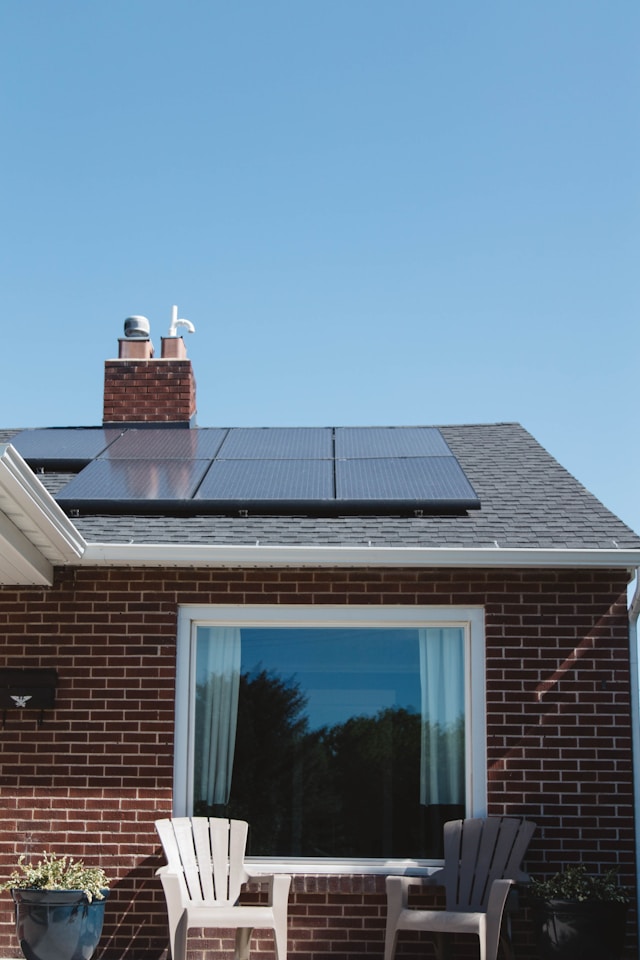
The orientation of windows plays a crucial role in passive solar design. In the Northern Hemisphere, south-facing windows capture the maximum amount of sunlight during winter, while overhangs or deciduous trees can provide shade during summer months to prevent overheating. This simple adjustment can lead to significant energy savings, particularly in climates with cold winters.
Thermal Mass
Materials like concrete, brick, stone, and tile act as thermal masses that absorb sunlight during the day and release heat slowly at night. This natural heat exchange process helps maintain stable indoor temperatures and reduces reliance on traditional heating systems. For best results, these materials should be placed in areas receiving direct sunlight.
Exploring Traditional Insulation Methods
Conventional insulation methods focus on minimizing heat transfer between the inside and outside of a home. Common materials include fiberglass, foam board, and spray foam, each offering varying degrees of effectiveness, cost, and ease of installation.
Fiberglass Insulation
Fiberglass is one of the most widely used insulation materials due to its affordability and effectiveness. It consists of fine glass fibers woven together, providing a thermal barrier that slows down heat loss. However, it requires careful installation to avoid gaps that could compromise performance.
Foam Board Insulation
Foam board insulation provides a higher R-value per inch compared to fiberglass, meaning it offers better insulation with less thickness. It is suitable for insulating walls and roofs but may require additional protective layers to prevent moisture damage.
Comparing Energy-Saving Potential
The effectiveness of passive solar design versus traditional insulation varies based on several factors, including climate, home orientation, and existing energy needs. Each approach has unique benefits that can complement one another in certain scenarios.
When Passive Solar Design Excels
Passive solar design is particularly advantageous in regions with ample sunlight throughout the year. Homes with large south-facing areas and minimal obstructions can maximize solar gain. Additionally, buildings with significant thermal mass can maintain more stable temperatures despite external fluctuations.
When Traditional Insulation Shines
Traditional insulation is ideal in areas with extreme temperatures where preventing heat loss or gain is critical. Homes without ideal orientations for passive solar strategies benefit significantly from high-quality insulation materials that create a robust barrier against outdoor conditions.
Practical Applications for Homeowners
For homeowners considering improvements, understanding when and how to integrate these approaches can lead to optimized energy efficiency.
- New Constructions: Incorporate both passive solar features and high-grade traditional insulation during the planning stages to ensure comprehensive energy management.
- Retrofits: Evaluate current home orientation and potential for adding passive solar elements. Complement these additions with upgraded insulation in areas that are prone to leaks.
Tips for Implementation
- Conduct an energy audit to identify key areas for improvement.
- Consult with a professional to assess the viability of passive solar enhancements in your home’s specific context.
- Consider hybrid solutions that integrate both strategies for maximum efficiency.
Conclusion: Choosing the Right Approach
The decision between passive solar design and traditional insulation ultimately depends on individual circumstances such as climate, budget, and specific home characteristics. By understanding the strengths of each method, homeowners can make informed decisions that enhance comfort while reducing energy costs. Balancing initial investment with long-term savings is key to achieving an efficient and sustainable living environment.