Energy Efficiency Insights: Geothermal vs. Standard HVAC Systems in Different Climates
The Energy Efficiency Paradigm Shift
As homeowners increasingly focus on sustainability, energy-efficient heating, ventilation, and air conditioning (HVAC) systems have become a crucial consideration in home improvement projects. Among the options available, geothermal and traditional HVAC systems represent two divergent paths with unique advantages and challenges. Understanding their differences is essential for making an informed decision, especially when factoring in varying climate conditions.
Geothermal HVAC Systems: Harnessing the Earth's Constant Temperatures
How Geothermal Systems Work
Geothermal systems, also known as ground-source heat pumps, leverage the stable temperatures found below the earth's surface. These systems utilize a network of pipes buried underground, filled with a water or antifreeze solution that absorbs the earth’s thermal energy. This heat is then transferred to the heat pump, which distributes it throughout your home. In warmer months, the process reverses, removing heat from the house and depositing it back into the ground.
- Pros: High efficiency, lower operational costs, renewable energy source.
- Cons: High initial installation costs, requires significant land for installation.
Installation Considerations
Installing a geothermal system involves substantial groundwork, literally. The installation process typically includes:
- Site Assessment: Evaluating soil conditions, available land, and local regulations.
- Drilling: Installing the loop system in horizontal trenches or vertical wells.
- Pump Installation: Connecting the ground loops to a heat pump inside the home.
This installation can be more expensive than standard HVAC systems due to drilling and land requirements, but incentives and tax rebates often offset these costs.
Performance in Various Climates
Geothermal systems excel in diverse climates due to their reliance on ground temperatures rather than air temperatures. For example:
- Cold Climates: The consistent underground warmth provides efficient heating during harsh winters.
- Hot Climates: Effective at cooling homes by dissipating heat into cooler subsurface layers.
This versatility makes geothermal systems a viable option across different geographical regions, although their feasibility depends significantly on local land conditions and regulatory landscapes.
Standard HVAC Systems: The Conventional Choice
The Basics of Standard HVAC
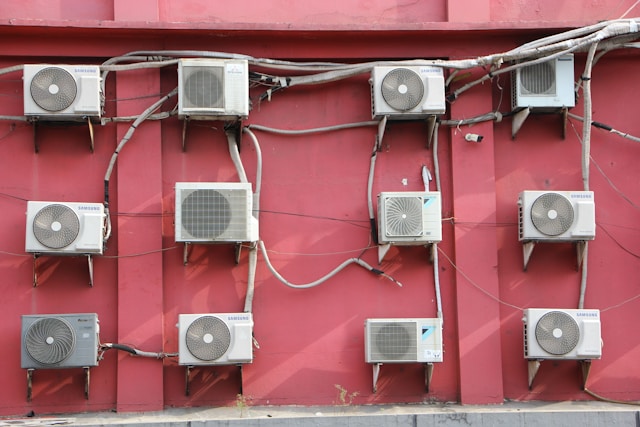
Traditional HVAC systems consist of separate units for heating and cooling – typically a furnace or boiler for heating and an air conditioner for cooling. These systems rely on fuel combustion or electricity to generate heat or remove heat from indoor air using refrigerants.
- Pros: Lower upfront costs, widespread availability, familiar technology.
- Cons: Higher energy consumption, ongoing maintenance costs, environmental impact due to refrigerants and fuel combustion.
Installation Process
The installation of standard HVAC systems is generally straightforward compared to geothermal systems:
- Unit Selection: Choosing appropriate furnace and air conditioning units based on home size and climate needs.
- Ductwork Integration: Installing or updating ductwork to ensure efficient air distribution.
- System Setup: Integrating control systems like thermostats for user-friendly operation.
This process is less invasive than geothermal installations and typically requires less space, making it suitable for urban settings or homes with limited yard area.
Performance Across Climates
The efficiency of standard HVAC systems can vary widely based on climate:
- Cold Climates: High-efficiency furnaces perform well but can lead to higher fuel costs.
- Hot Climates: Air conditioners work effectively but may lead to increased electricity bills due to constant use.
The reliance on external temperatures makes them less predictable in terms of performance efficiency compared to geothermal systems.
Cost Analysis: Initial Investment vs. Long-Term Savings
The cost dynamics between geothermal and standard HVAC systems present a classic trade-off between initial investment and long-term savings. While geothermal installations are costly upfront—often ranging from $10,000 to $30,000—their operating costs are significantly lower. Standard HVAC systems might cost between $5,000 to $12,000 initially but can incur higher monthly energy bills over time.
A Comprehensive Cost Checklist
- Initial Costs: Gather quotes from multiple contractors for both geothermal and standard systems.
- Operating Costs: Estimate monthly energy expenses based on past utility bills and projected usage patterns.
- Incentives: Research federal, state, and local tax credits or rebates available for installing geothermal systems.
Sustainability and Environmental Impact
Sustainability is at the forefront of modern home improvement decisions. Geothermal systems shine here due to their renewable nature and minimal emissions. They reduce reliance on fossil fuels and decrease greenhouse gas emissions significantly compared to traditional HVAC systems that burn fuel or rely heavily on electricity generated from non-renewable sources.
Sustainability Checklist
- Emissions Reduction: Calculate potential reductions in carbon footprint using online tools or consultation with energy experts.
- Energy Source Analysis: Evaluate your area's energy grid composition—areas with high renewable penetration further enhance geothermal benefits.
Practical Tips for Homeowners Considering HVAC Options
- Conduct an energy audit: Understand your current energy usage to identify areas for improvement before deciding on a system.
- Explore financing options: Many companies offer financing plans that spread the initial cost of geothermal installations over time.
- Consider local climate trends: Research how climate change might affect local temperatures to future-proof your investment in a new system.
Your choice of HVAC system significantly impacts not only your home's comfort and energy bills but also its environmental footprint. Weighing the pros and cons of each system type—considering both immediate needs and long-term impacts—is crucial in making an informed decision that aligns with your sustainability goals.