Smart Lighting Strategies for Your Indoor Herb Garden Success
Designing the Perfect Space for Your Indoor Herb Garden
Creating a thriving indoor herb garden involves more than just choosing a sunny spot in your home. The success of your garden depends on several key factors: space optimization, the selection of suitable plants, and, crucially, lighting. In this guide, we will explore how to effectively use smart lighting strategies to ensure your herbs flourish year-round.
Choosing the Right Location
First, identify a location within your home that receives adequate natural light. South-facing windows are ideal as they provide the most sunlight during the day. If such a location isn't available, don't worry—smart lighting can compensate for the lack of natural light.
Space Optimization Tips
- Shelves: Utilize vertical space by installing shelves. This approach not only saves floor space but also ensures each plant has access to light.
- Window Sills: If you have wide window sills, these can serve as excellent spots for small herb pots.
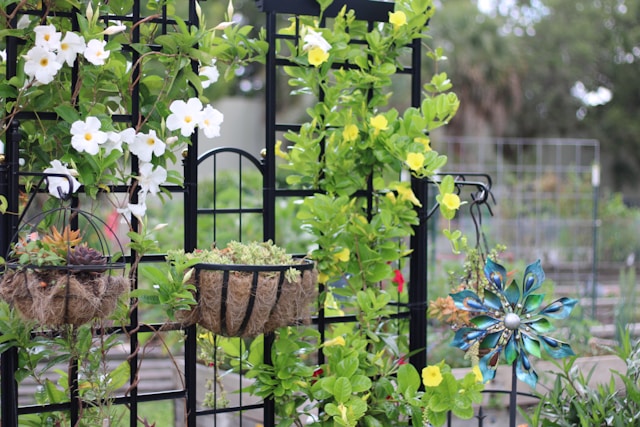
- Hanging Planters: Consider using hanging planters for smaller herbs. They allow you to take advantage of ceiling height and add a decorative element to your space.
Selecting Suitable Herbs for Indoors
Not all herbs thrive indoors, so choosing the right varieties is essential. Here are some herbs well-suited for indoor growth:
- Basil: Requires lots of sunlight but grows quickly and adds vibrant green to your kitchen.
- Mint: Grows well indoors with moderate light and is perfect for teas or garnishes.
- Chives: With their onion-like flavor, chives are easy to grow and require minimal light.
- Cilantro: Prefers cooler indoor temperatures and moderate light exposure.
The Role of Lighting in Herb Growth
Lighting plays a crucial role in the photosynthesis process, which directly impacts herb growth. Insufficient light can lead to leggy, weak plants. Therefore, understanding your herbs' lighting needs is crucial.
Natural Light Considerations
Track the sunlight patterns in your chosen location. This information will help determine if supplemental lighting is necessary. In areas with limited sunlight, especially during winter months, consider integrating artificial lights.
Smart Lighting Solutions
Today's technology provides a range of options for artificial lighting that mimic natural sunlight:
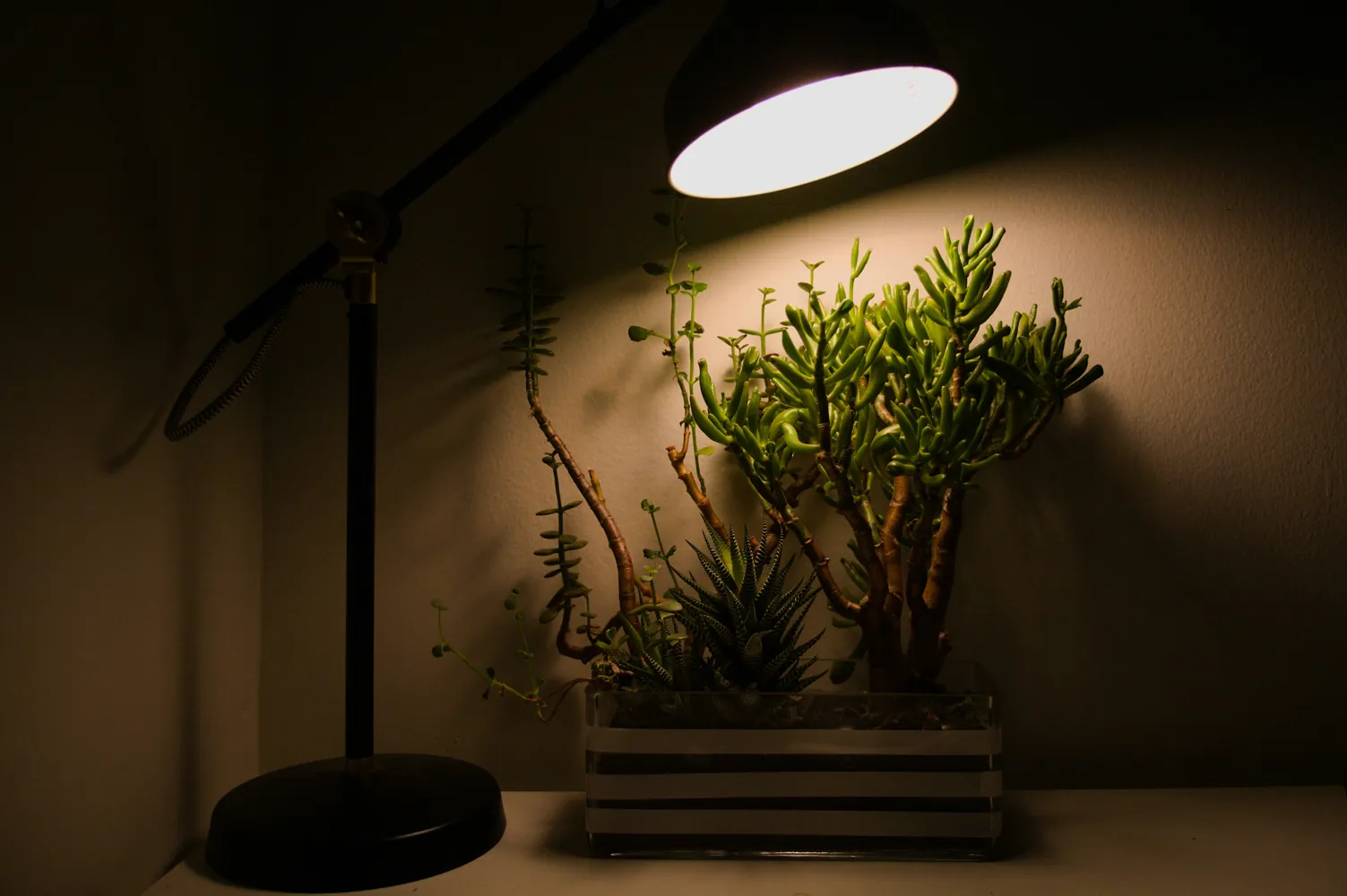
- LED Grow Lights: Energy-efficient and cool to touch, making them safe for close placement near plants.
- Fluorescent Grow Lights: Available in various spectrums; however, they may not last as long as LEDs.
A smart lighting setup with timers ensures your herbs receive consistent light without manual intervention. Look for systems that can be controlled via smartphone apps for added convenience.
Maintenance Strategies for Indoor Herb Gardens
Irrigation Practices
Consistent watering is key to keeping herbs healthy. Over-watering can lead to root rot, while under-watering can cause wilting.
- Self-Watering Pots: These pots are an excellent investment as they maintain consistent soil moisture levels.
- Soil Moisture Sensors: Pair these with a smart irrigation system to automate watering based on real-time moisture data.
Temperature and Humidity Control
Most herbs prefer temperatures between 65°F and 75°F (18°C to 24°C). Maintain humidity levels by misting plants regularly or placing a tray of water nearby to evaporate and humidify the air.
Troubleshooting Common Indoor Herb Garden Issues
If your herbs aren't thriving, consider these common issues:
- Poor Growth: Check if your plants are receiving enough light. Adjust light placement or duration as needed.
- Yellowing Leaves: This might indicate over-watering or nutrient deficiency. Ensure proper drainage and fertilize appropriately.
- Pests: Watch for common pests like aphids or spider mites. Use natural pest control methods like neem oil or insecticidal soap.
Create Your Indoor Herb Garden Checklist
A practical checklist to kickstart your indoor herb garden:
- Select location with adequate natural or artificial light.
- Choose suitable herb varieties for indoor cultivation.
- Install smart lighting systems if natural light is insufficient.
- Set up proper irrigation using self-watering pots or soil moisture sensors.
- Monitor temperature and humidity levels regularly.
Conclusion
An indoor herb garden is not only an aesthetic addition to your home but also a practical way to have fresh herbs at your fingertips year-round. By implementing strategic lighting solutions and following maintenance tips outlined in this guide, you can ensure a thriving herb garden that enhances both your culinary endeavors and living space.