Maximizing Compact Living: Innovative Furniture Solutions for Small Homes
Understanding the Challenges of Compact Living
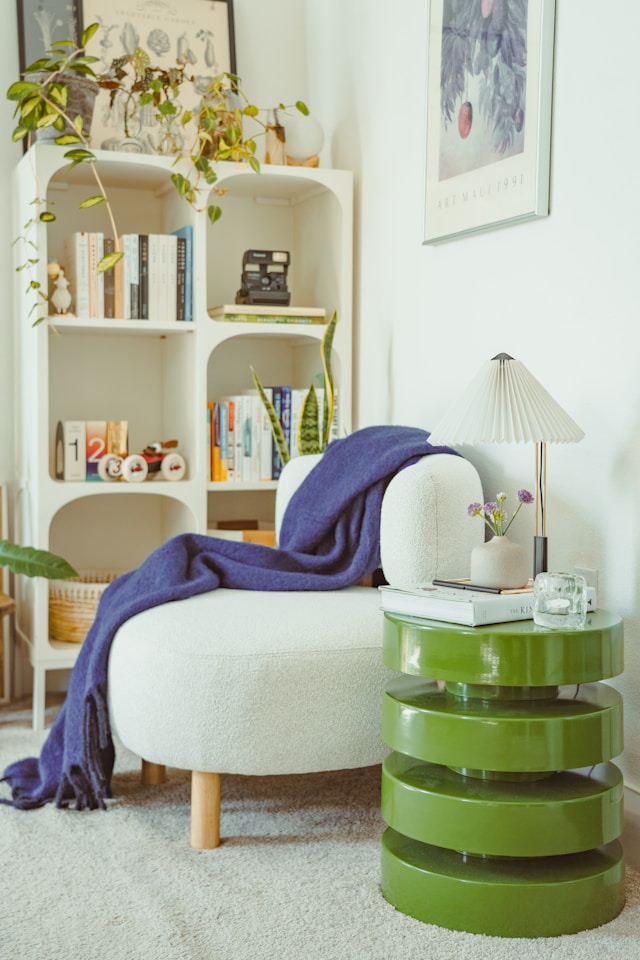
Living in a small space presents unique challenges, but with creativity and strategic planning, these limitations can be transformed into opportunities for innovation. The key to maximizing compact living lies in choosing or designing furniture that not only fits into the space but also serves multiple functions. This approach not only saves space but also enhances the functionality of each piece.
The Art of Multipurpose Furniture
Multipurpose furniture is designed to serve more than one function, making it ideal for small homes. For example, a sofa bed can function as both a seating area during the day and a bed at night. This dual-purpose approach can be applied to almost any furniture item in your home.
Case Study: The Murphy Bed Revolution
The Murphy bed is perhaps the most iconic example of space-saving furniture. Originating in the early 20th century, it allowed small apartment dwellers to convert their living rooms into bedrooms by simply folding down a bed from the wall. Modern iterations often incorporate additional features like built-in shelves or desks.
DIY Inspiration: Crafting Your Own Murphy Bed
Building your own Murphy bed can be an exciting DIY project. Begin by measuring your space and selecting quality materials such as plywood and sturdy hinges. Online plans and kits are available that offer step-by-step instructions. Ensure you have the necessary tools like a drill, saw, and level to achieve professional results.
Steps to Select and Construct Versatile Pieces
Creating or choosing multipurpose furniture involves several key steps:
- Analyze Your Space: Measure your room dimensions and determine how the furniture will fit within the space.
- Define Your Needs: List the primary and secondary functions you need from your furniture (e.g., storage, sleeping, workspace).
- Plan the Design: Sketch your ideas or use design software to visualize how the furniture will look and function.
- Select Materials Wisely: Choose durable materials that can withstand regular use and are easy to work with.
Innovative DIY Solutions for Small Spaces
Apart from the classic Murphy bed, there are several other DIY projects you can undertake to maximize your small space:
Transformable Dining Tables
A foldable or extendable dining table can significantly increase your space efficiency. Consider a drop-leaf table that can be reduced in size when not in use. You can build one using basic woodworking skills; oak or pine are excellent choices for wood due to their sturdiness.
Sofa with Hidden Storage
Create a sofa that doubles as storage space. By building a wooden frame with compartments underneath the cushions, you can store books, blankets, or other essentials out of sight. Use hydraulic hinges for easy lifting access.
Loft Beds with Workspace
Loft beds are perfect for creating vertical space solutions. Design a loft bed with a study desk or sitting area beneath it. Use metal or wood frames based on your aesthetic preference and ensure all components are securely fastened for safety.
Choosing the Right Materials
Your choice of materials will influence both the durability and appearance of your furniture pieces. Here are some considerations:
- Plywood: Affordable and versatile, suitable for most DIY furniture projects.
- Solid Wood: Offers durability and a classic look but can be more expensive.
- MDF (Medium Density Fiberboard): A budget-friendly option that's easy to work with but less durable than solid wood.
Design Tips for Maximizing Functionality
To make the most of your DIY multipurpose furniture projects, consider these design tips:
- Use Color Wisely: Light colors can make a small room feel more expansive.
- Add Mirrors: Incorporate mirrors into your designs to reflect light and give an illusion of space.
- Incorporate Sliding Mechanisms: Sliding doors or drawers take up less space than traditional options.
Sustainability in Furniture Design
Sustainable practices in DIY furniture projects not only help the environment but also add unique character to your home. Consider using reclaimed wood or repurposing old furniture parts. This approach reduces waste and creates one-of-a-kind pieces.
Conclusion: Creativity is Key
By embracing innovative DIY solutions and smart furniture design, even the smallest spaces can become efficient and stylish homes. The projects outlined here not only enhance functionality but also reflect personal taste and creativity, proving that with the right mindset, compact living can be both practical and beautiful.