Innovative DIY Tips for Revitalizing Old Furniture into New Treasures
Unearthing the Potential in Old Furniture
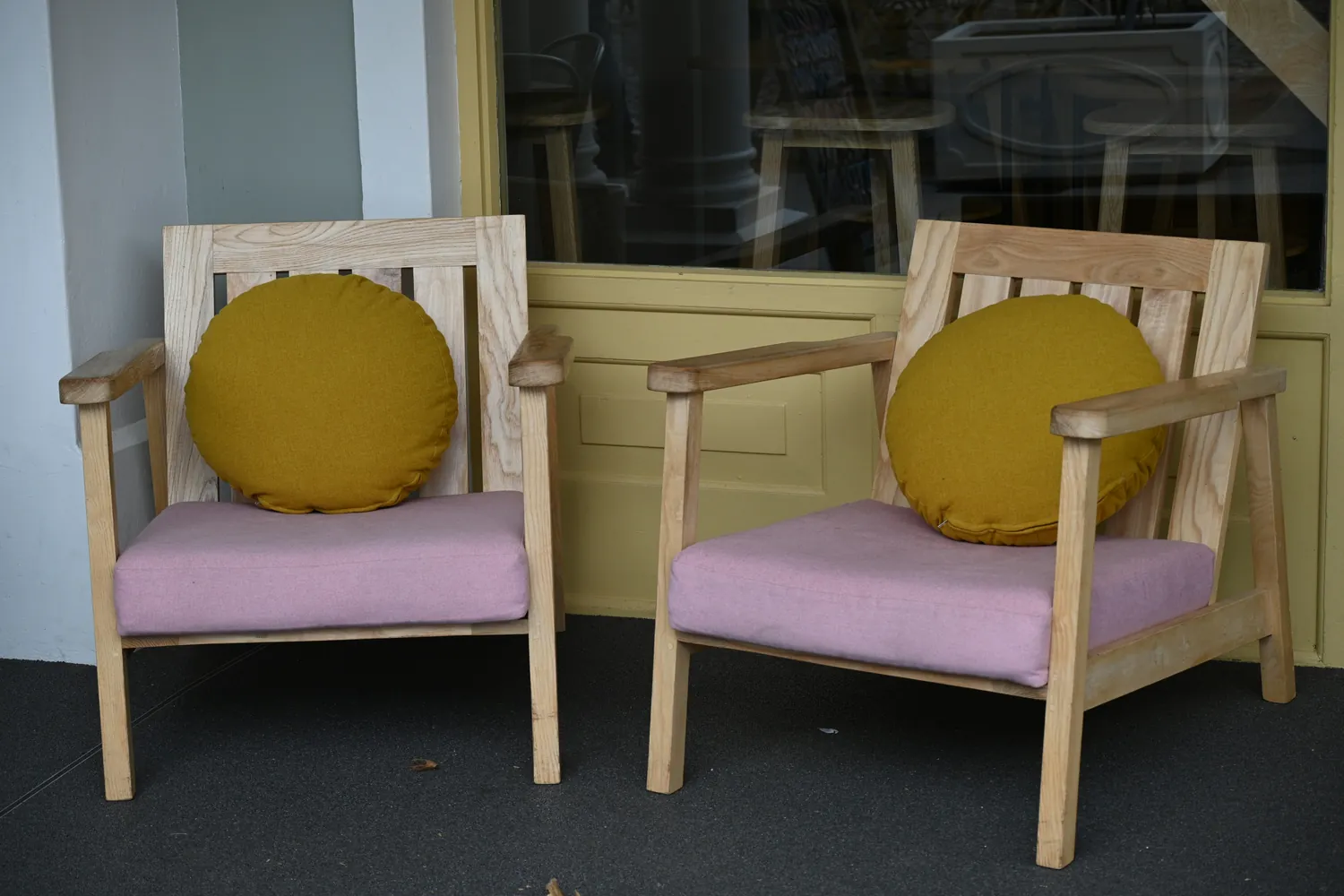
Before you consider discarding that outdated chair or dresser, pause and take a moment to envision its potential. In the world of DIY and upcycling, every old piece holds the promise of becoming a stunning focal point in your home. This article explores innovative methods to transform forgotten furniture into unique treasures that blend vintage charm with contemporary style.
Understanding the Essence of Upcycling
Upcycling goes beyond mere recycling. It’s about creatively reusing items, adding value, and reducing waste in the process. Instead of breaking materials down, upcycling gives new life to existing elements, often resulting in a more aesthetically pleasing and environmentally friendly outcome. With this approach, you not only preserve resources but also craft pieces that speak to your personal taste.
The Benefits of Upcycling Furniture
- Sustainability: By upcycling, you contribute to environmental conservation by reducing waste.
- Cost-Effectiveness: Transforming existing furniture is often cheaper than purchasing new items.
- Unique Design: Customizing allows you to create one-of-a-kind pieces that fit your decor perfectly.
Techniques for Transforming Old Furniture
1. Chalk Paint Makeover
Pros: Chalk paint is ideal for beginners due to its ease of use and minimal surface preparation. It can adhere to almost any surface without priming or sanding. Cons: It's less durable than other paints, so a protective finish is recommended.
Begin by cleaning your furniture thoroughly to remove dust and grime. Apply a coat of chalk paint using a quality brush, ensuring even strokes. Once dry, add a second coat if necessary. Finish with wax or polyurethane for durability. This technique is perfect for those looking to achieve a rustic, shabby chic aesthetic.
2. Decoupage Decoration
Pros: Decoupage offers endless creative possibilities using paper or fabric. Cons: It requires a bit more patience and precision to avoid air bubbles and wrinkles.
Select your paper or fabric of choice—this could be vintage maps, newspaper clippings, or bold printed fabric. Cut it to size, then use decoupage glue or Mod Podge to adhere it to your furniture surface. Seal with a clear topcoat for protection. This method is excellent for adding intricate designs or patterns to flat surfaces like tabletops or drawer fronts.
3. Upholstery Update
Pros: Upholstering can dramatically change the look of chairs and sofas, making them look brand new. Cons: It requires basic sewing skills and tools, and it's more time-consuming than painting.
To reupholster, first remove the old fabric carefully, noting how it was attached. Use the old pieces as templates for cutting new fabric. Attach your new fabric with a staple gun, making sure it's tight and wrinkle-free. This method is ideal for breathing new life into worn-out chairs or footstools.
Case Studies: Remarkable Transformations
From Dated Dresser to Modern Buffet
A plain wooden dresser can be transformed into an eye-catching buffet with some creativity. One successful project involved sanding down the dresser, applying a fresh coat of vibrant teal paint, and replacing old knobs with modern metallic handles. The finished product not only served as practical storage but also became a stylish statement piece in the dining room.
Turning Chairs into Trendy Side Tables
A set of mismatched dining chairs found new purpose as side tables in this inspiring case study. The legs were shortened, and the seats were given a fresh coat of black lacquer for a sleek look. By stacking books and adding a small lamp on top, each chair became an elegant bedside table.
Practical Tips for Successful Upcycling
- Plan Ahead: Before starting, sketch out your design ideas and gather all necessary materials.
- Invest in Quality Tools: Good brushes, quality paints, and reliable power tools can significantly impact the final result.
- Embrace Imperfection: Part of the charm of upcycled furniture is its unique character, so don’t fret over small imperfections.
Conclusion: Crafting Your Own Unique Pieces
The art of upcycling old furniture is as rewarding as it is creative. Not only do you breathe new life into items that might otherwise be discarded, but you also create something truly personal and unique. Whether you're looking to add a touch of vintage flair to your modern home or transform classic pieces with contemporary elements, these techniques offer endless possibilities for DIY enthusiasts. So next time you see an old piece destined for the landfill, consider its potential to become a cherished treasure once again.