How to Select Paints That Last for Refinished Kitchen Cabinets
Why Refinish Your Kitchen Cabinets?
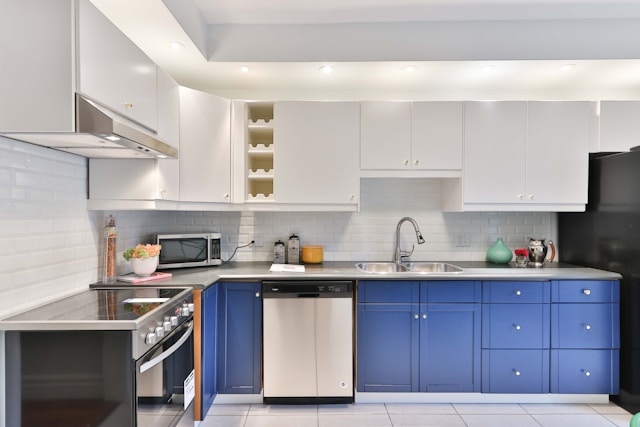
Refinishing kitchen cabinets is one of the most effective ways to update the look of your kitchen without a complete renovation. Not only can it be cost-effective, but it also allows you to tailor the appearance to suit your style. Choosing the right paint is crucial to ensure that the results are durable and attractive.
Preparing Your Cabinets for Painting
Step 1: Remove All Hardware
Begin by removing all handles, knobs, and hinges from your cabinet doors. This will prevent paint from covering these areas and makes it easier to apply an even coat of paint. Store all hardware in labeled bags to avoid confusion when reattaching them.
Step 2: Clean Thoroughly
Kitchens are prone to grease and grime build-up, which can affect paint adhesion. Use a degreaser or a mixture of dish soap and water to clean all surfaces. Rinse well with clean water and allow to dry completely.
Step 3: Sand the Surfaces
Sanding is essential for creating a surface that paint can adhere to. Use a medium-grit sandpaper (such as 120-grit) to remove the existing finish, and follow up with a fine-grit paper (220-grit) to smooth the surface. Always sand in the direction of the wood grain.
Step 4: Apply a Primer
A high-quality primer will help the paint bond to the surface and provide a uniform base color, particularly important if you are transitioning from dark to light colors. Choose a stain-blocking primer if your cabinets are especially dark or have been stained.
Choosing the Right Paint for Longevity
Consider the Type of Paint
When selecting paint for kitchen cabinets, durability is key. Here are two main types to consider:
- Acrylic Paint: Water-based and easy to clean, acrylic paints are less likely to yellow over time and provide a hard finish ideal for kitchen environments.
- Alkyd Paint: Although oil-based, many modern alkyd paints have been reformulated for easier clean-up while offering robust durability and a smooth finish.
Selecting the Finish
The finish impacts both appearance and functionality. For kitchens, consider these options:
- Semi-Gloss: Offers some sheen, making it easier to wipe clean, ideal for high-traffic areas.
- Satin: Provides a softer sheen than semi-gloss but still holds up well against dirt and grime.
Color Selection Tips
Choosing the right color can dramatically alter your kitchen's ambiance. Here are some tips:
- Neutral Colors: Whites, grays, and beiges create a timeless look that appeals broadly and complements a range of appliances and countertops.
- Bolder Choices: For those wanting a statement kitchen, darker tones like navy or forest green can add drama and sophistication.
Consider how natural light affects your space throughout the day; sampling paint swatches under different lighting conditions can help you make the best choice.
Application Techniques for a Professional Finish
Use Quality Brushes and Rollers
The tools you choose can greatly impact the finish. Invest in high-quality brushes for detailed work around edges and corners, and use foam rollers for larger surfaces to ensure a smooth finish without brush marks.
Apply Thin Coats
Avoid applying thick coats of paint which can lead to drips and uneven texture. Instead, apply multiple thin coats, allowing each to dry completely before applying the next. This technique will build up color while maintaining a smooth surface.
Sanding Between Coats
Slightly sanding between coats with a fine-grit paper (320-grit) can eliminate imperfections and help subsequent coats adhere better. Remember to clean off any dust before applying additional coats.
The Finishing Touches
Reattach Hardware
Once your final coat is dry, it's time to reattach hardware. Consider updating old hardware with new pieces for an added touch of refreshment. Ensure all screws are tightly fastened to prevent loosening over time.
Add a Topcoat for Protection
If desired, apply a clear polyurethane topcoat for extra protection against wear and tear. This is particularly useful in busy households where cabinetry may be more prone to scratches or stains.
Caring for Your Refinished Cabinets
Regular maintenance will extend the life of your newly refinished cabinets. Use gentle cleaning products that won't strip away paint or finish, and promptly address any spills or splatters. Periodic checks for loose hardware or chips will also keep your kitchen looking pristine.