Deciding Factors in Choosing Pallet Wood Over Reclaimed Timber for Furniture Builds
Understanding the Basics: Pallet Wood and Reclaimed Timber
In the realm of DIY furniture projects, both pallet wood and reclaimed timber offer unique attributes that can dramatically affect the outcome of your build. These materials are popular choices among DIY enthusiasts for their aesthetic appeal and sustainability. However, deciding which to use often depends on specific project goals, desired styles, and practical considerations.
Pallet Wood: The Affordable Option
Pallet wood, sourced from shipping pallets, is an economical choice. Often available for free or at a low cost, pallets are used in transporting goods globally, making them easily accessible. They are typically made from hardwoods like oak and softwoods such as pine.
- Durability: While pallet wood can be quite sturdy, the quality varies greatly. It’s essential to inspect each piece for cracks or damage.
- Aesthetics: The rustic look of pallet wood suits projects aiming for a shabby chic or industrial style.
- Sustainability: Upcycling pallets keeps them out of landfills and gives them a second life, supporting eco-friendly practices.
Reclaimed Timber: The Premium Choice
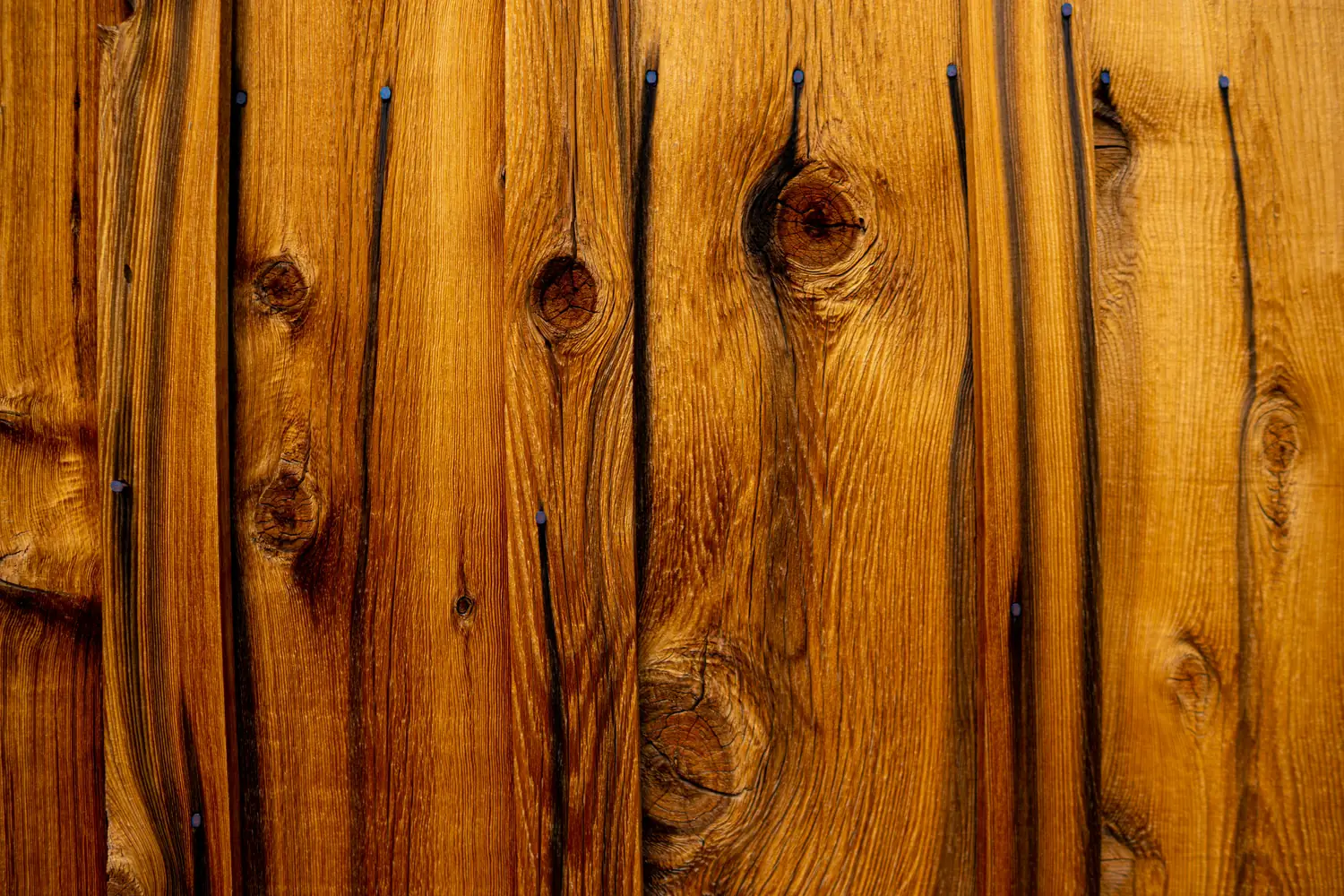
Reclaimed timber comes from older structures like barns, factories, and warehouses. It’s known for its rich history and aged character, offering a distinct aesthetic value.
- Durability: Typically more robust than pallet wood, reclaimed timber can last generations if maintained properly.
- Aesthetics: Its unique patina and historical features make it ideal for projects requiring a vintage or classic appearance.
- Sustainability: By reusing old wood, you reduce the need for new lumber production, conserving forest resources.
Key Considerations for DIY Projects
Project Type and Functionality
The type of furniture you intend to build can heavily influence your material choice. For example, if you're constructing a small coffee table for occasional use, pallet wood might suffice. However, for load-bearing structures like dining tables or bed frames, reclaimed timber may provide the necessary strength and longevity.
Style and Design Preferences
Your personal taste will also guide your decision. If you prefer a contemporary or minimalist design, the clean lines of pallet wood can be appealing. Conversely, if you're aiming for a farmhouse or vintage look, the aged texture of reclaimed timber can add authenticity and charm.
Budget Constraints
Cost is always a crucial factor. Pallet wood offers significant savings, especially if you can source pallets for free. Reclaimed timber often comes at a higher price due to its quality and character but can be a worthwhile investment if budget allows.
Practical Tips for Working with Each Material
Handling and Preparation
Both materials require careful handling to ensure safety and achieve the best results.
- Pallet Wood Preparation: Dismantling pallets can be labor-intensive. Use tools like a crowbar or reciprocating saw to separate the slats. Ensure all nails are removed to avoid damaging your power tools.
- Reclaimed Timber Preparation: Inspect for signs of insect infestation or rot. Sand thoroughly to reveal the beautiful grain beneath old finishes or dirt.
Finishing Techniques
The finishing process enhances the beauty and protects your furniture.
- Pallet Wood Finishes: A clear varnish preserves the natural color while a stain can add depth. Consider using non-toxic finishes if creating items for children or food preparation areas.
- Reclaimed Timber Finishes: Depending on the original use, the timber may have a naturally aged look that needs minimal enhancement. Light sanding followed by oiling can emphasize its character.
Scenario Analysis: When to Choose Which
Let’s explore two common scenarios to understand better when each material might be suitable:
Scenario 1: Crafting a Patio Bench
If building outdoor furniture like a patio bench where weather resistance is crucial, consider using high-quality pallet wood treated with a sealant to withstand moisture. Choose reclaimed timber if you desire a bench with historical charm that matches an existing outdoor aesthetic.
Scenario 2: Constructing Indoor Shelving Units
For simple shelving projects meant to hold lightweight objects, pallet wood is adequate and budget-friendly. However, if your shelves will display heavy decor or serve as focal points in a room, the strength and visual appeal of reclaimed timber could justify the higher cost.
Sustainability and Environmental Impact
Sustainability plays a significant role in material selection. Both pallet wood and reclaimed timber contribute positively to eco-friendly construction methods but in different ways. Choosing locally sourced materials reduces transportation emissions further enhancing their green credentials.
Process Checklist for Your DIY Furniture Project
- Define the purpose and style of your furniture piece.
- Select between pallet wood or reclaimed timber based on project requirements and aesthetic goals.
- Source your materials responsibly, ensuring they are free of harmful chemicals or infestations.
- Prepare your workspace with necessary safety gear and tools.
- Dismantle and prepare the wood for use by removing nails, sanding surfaces, and applying necessary treatments.
- Assemble your project according to your design plan, ensuring all joints are secure.
- Apply finishes to enhance durability and aesthetics.
The decision between pallet wood and reclaimed timber ultimately hinges on your specific needs and priorities in your DIY projects. By considering factors such as durability, aesthetics, sustainability, and budget, you can select the ideal material that complements both your personal style and project requirements.